
The state of Texas is familiar with drought, but the growing resource-intensive industry of data centers is testing the state’s infrastructure amid concerns about the scarcity of surface water.
The southwestern state, among America’s fastest growing, is attractive to data centers because of its business-friendly landscape and favorable tax regulations. These data centers, home to thousands of servers that sustain cloud computing, could eventually account for 3% to 9% of the state’s water use, more than the entire manufacturing industry.
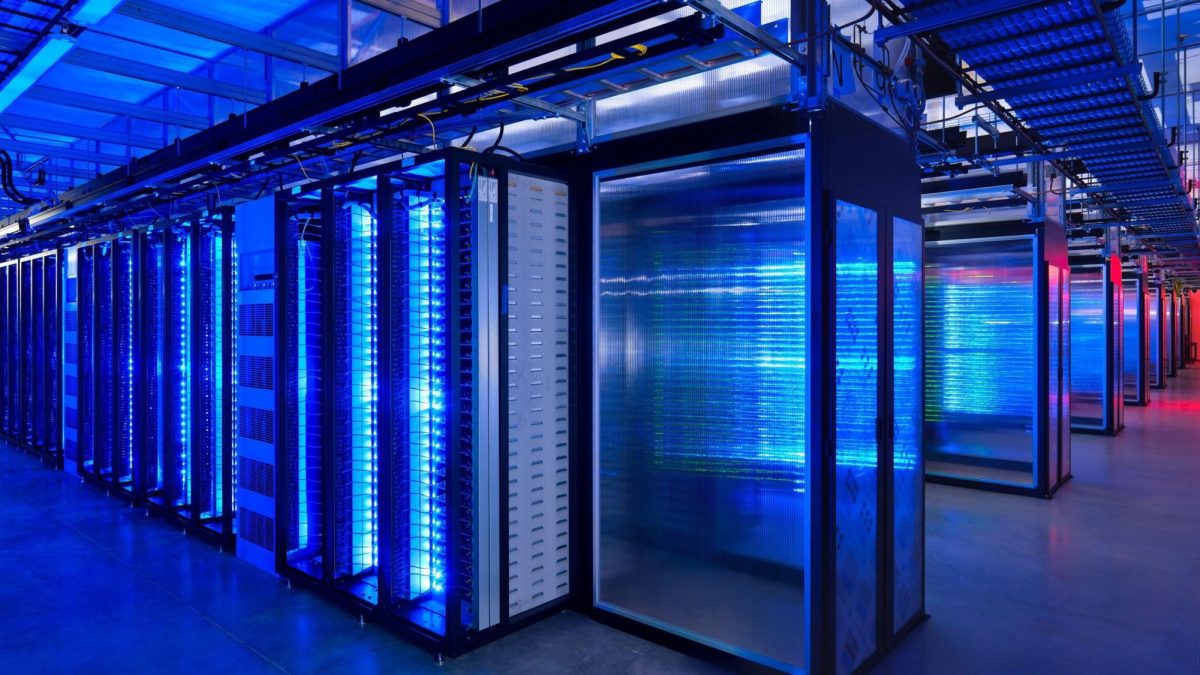
However, keeping up with computing demand means these servers get hot. When they do, they run the risk of overheating and failing. To prevent this, water has become the industry standard for cooling servers as it requires less energy than air-based alternatives.
With Texas residents now competing with data centers for water, local communities have questioned the value of data centers. In Taylor, community members displayed a banner at a potluck hosted by Halt Taylor Data Centers that read, “We CAN’T Drink DATA!”
These feelings are especially apparent in Corpus Christi, where supply is expected to dip below demand in less than six months. Margaret Cook, the vice president of water and community resilience at the Houston Advanced Research Center, says the crisis is from “drought and delayed planning for additional water supplies.”
Although billion-dollar investments in desalination, groundwater development and water recycling can help alleviate some of the crisis, the strain on the water supply caused by data centers continues to shape discussions on balancing new demand.
But natural resource allocation isn’t the only source of community dissent. Secrecy about where data centers will be constructed is what drove Mason McCallister, a homeowner from Bells, to be cautious of the industry.
McCallister noticed surveyors in his rural community and suspected it might be connected to the data center his neighbor spoke about. As a realtor, he researched property records and matched companies with landowners, one of which was Black Mountain, a digital infrastructure and energy group in Fort Worth.
After uncovering this information in March, McCallister drove to a Fort Worth town hall where Black Mountain CEO Rhett Bennet was speaking. After the presentation, McCallister got confirmation that a data center was being built in his community.
“Deep down I was always hoping that I was wrong,” he said.
Politicians and leaders are also concerned about the lack of transparency when it comes to data center development, as nondisclosure agreements often prevent local officials from revealing their discussions with tech companies.
Furthermore, industry giants are also able to conceal their identity using shell companies, leaving local officials unaware of new projects.
“Nothing in no way, shape, form or fashion has ever been presented to the government of Grayson County…I don’t know that there has to be. That’s the scary part,” Art Arthur, the county commissioner, said.
Although data centers pose questions about water management and political transparency, they also provide immense economic benefits. For example, the construction of a 1 gigawatt data center in Texas could generate more than 45,000 jobs, $176.8 million in state and local tax revenue and boost household incomes statewide.
To win back public trust, data center companies could consider investing in sustainable cooling techniques like single-phase immersion cooling and involve the local community in the development process moving forward.