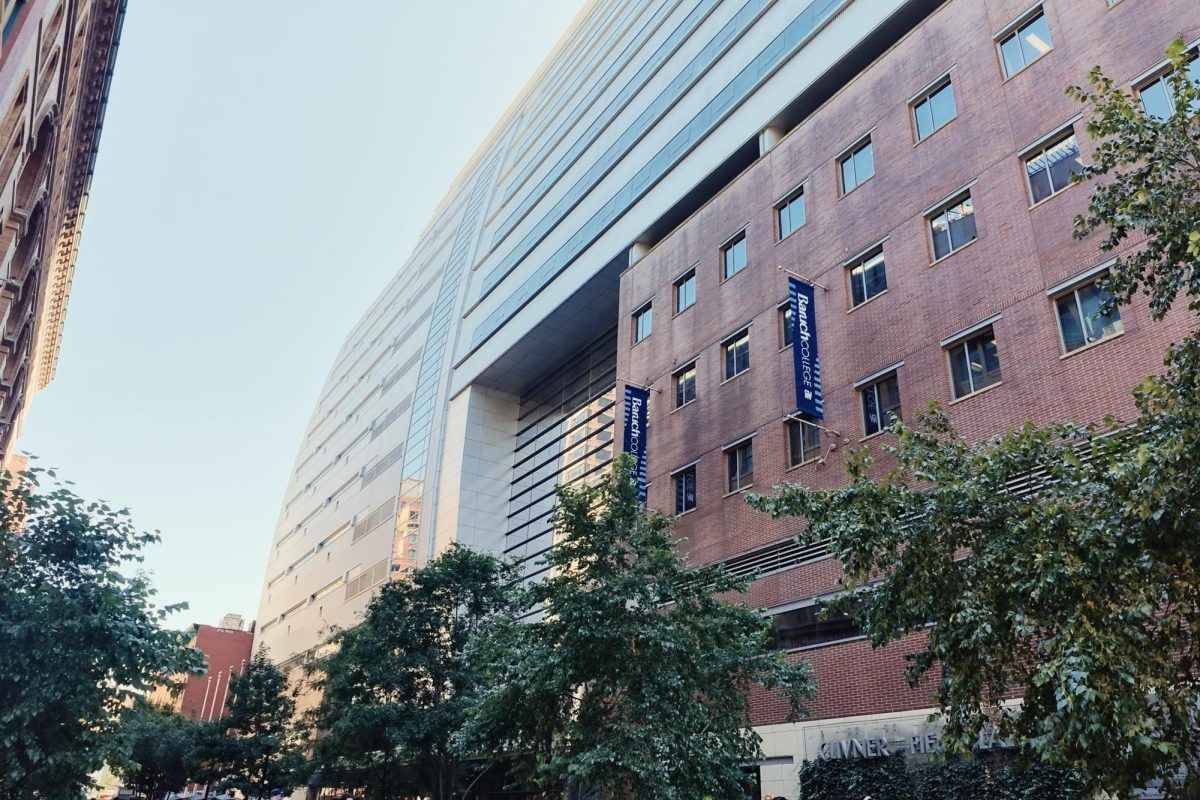


The Starbucks Corporation location at 50 Lexington Ave., a popular spot among Baruch students, closed its doors permanently on Sept. 27. The company closed approximately 250 stores across North America, only 1% of the company’s locations in the region.
Starbucks announced the closures on Sept. 24 and said the affected locations either were not meeting the company’s financial expectations or did not consistently provide the customer and employee experience Starbucks wanted. Employees were only given about 48 hours notice before the closures, leaving many uncertain if they would lose their jobs.
Starbucks said it will transfer employees to other stores if possible or provide severance support to employees who could not be placed at another location.
“We have carefully reviewed our North America coffeehouse portfolio and identified locations where we do not believe we can consistently deliver the experience we want for customers and partners or where we don’t see a path to acceptable financial performance,” Chief Operating Officer Mike Grams said in a statement to employees.
Starbucks is expected to spend $300 million in restructuring charges. According to CNBC, $200 million will go toward ending leases early and paying employee separation benefits, while the remaining $100 million comes from losses of company-owned assets.
Despite the recent shutdowns, Starbucks plans to continue remodeling stores and investing in existing locations.
The closures are part of CEO Brian Niccol’s “Back to Starbucks” strategy, which began after he became CEO in 2024. The plan focuses on improving and speeding up service and making Starbucks more profitable. This is the second round of mass closures that the company has made under Niccol’s leadership.
Starbucks closed 627 stores across North America and Europe and laid off 900 employees in 2025 to focus on long-term success. Some Baruch students found the closing unsurprising, speaking about the controversy regarding a pro-Palestinian message from 2023.
Baruch sophomore Jasmine Man said, “Because of the controversy and many different alternatives for coffee, I didn’t really care as much to the point I didn’t even know about the news.”
Sophomore Elizabeth Vazquez said, “When opening a business in an area such as NYC, a city that is liberal and pro-worker, you must take the political climate into account; if a company does not address its moral failure, such as preventing worker unionization, it will cause alienation within its customer base within the city and will equate in economic failures and closures to its inability to act accordingly.”
Beyond the closing of Starbucks, students also expressed bigger challenges on opening a business in NYC.
Junior My Anh Phan said, “I’m incredibly shocked that Starbucks near Baruch has gotten shut down. It makes me wonder how a big corporation like Starbucks and the synergy between a coffee company and school isn’t enough to keep a storefront open. How are small businesses supposed to rely on and continue thriving in neighborhoods when big corporations are unable to themselves?”
“There’s a lot of competition in NYC and it’s getting expensive,” Man said. “People prioritize cost.”
“Too many businesses are shutting down near the school,” senior Daniel Dziwura said. “Opening a business is way too expensive. Every mayor says they will make it easier, but it keeps getting harder.”
Ultimately, the closure of the Lexington Avenue location reflects Starbucks’ broader efforts to restructure the company while investing into stores that fit their long-term plan. However, for Baruch students, the empty storefront marks the end of a familiar spot just steps away from campus.
Editor’s note: Managing Editor Zoe Del-Percio Evans is employed by Starbucks and had no part in the editorial process for this article.