
Universal Music Group appointed Oscar Celma as its first senior vice president of applied artificial intelligence and machine learning on Sept. 28.
Celma, a former Spotify executive, is one of the music industry’s leading AI experts, according to a UMG press release. With a doctorate in computer science from Universitat Pompeu Fabra in Barcelona, he will lead the music company’s effort to integrate AI across its global operations.
“I’ve spent much of my career exploring how technology can serve artists, songwriters and music fans. It’s an exciting time to join Universal Music Group, given its industry leadership in using AI to expand what’s creative and commercially possible,” Celma said in a statement.
With $14.69 billion in annual revenue, UMG represents thousands of artists globally, including Drake, Taylor Swift, Blackpink and Bad Bunny. Through licensing, UMG profits when its songs are played on streaming platforms such as Spotify. The company also sells synchronization rights to film studios, game publishers and advertising agencies, among others.
Upon Celma’s appointment, UMG’s new tech ambitions reveal much about the music industry’s shift toward embracing rather than fighting AI.
On TikTok, the 2023 release of “Heart on My Sleeve”, an AI-generated song that cloned the voices of Drake and The Weeknd, led UMG to send targeted removal requests to streaming platforms.
In a statement at the time, the company said, “[The training of generative AI using our artists’ music] begs the question as to which side of history all stakeholders in the music ecosystem want to be on: the side of artists, fans and human creative expression, or on the side of deep fakes, fraud and denying artists their due compensation.”
Since 2023, AI-generated music has flooded streaming platforms. Today, at least 30% of the songs uploaded to Spotify are AI-generated. Furthermore, AI-generated music has already shaped real-world events and discussions.
After the death of the conservative activist Charlie Kirk last year, the AI-generated tribute song “We are Charlie Kirk” sparked a wave of discourse on social media. In addition to that song, President Donald Trump released his own AI-generated music video in June.
For UMG, the growing prevalence of AI-generated music raises the issue of balancing new business opportunities with corporate ethics.
In an ongoing copyright infringement lawsuit, UMG sued the AI startup Suno for $9 billion. By training its AI models on millions of copyrighted audio files, UMG argues that Suno engaged in wholesale theft and security circumvention.
Despite the Suno lawsuit, UMG supports internal AI development so long as it can control and profit from its use.
“AI, deployed responsibly, can be a hugely beneficial commercial and creative driver for UMG and our artists,” Sir Lucian Grainge, the company’s chief executive, said in a statement.
During his time at Spotify, Celma introduced several new AI-powered features to the streaming platform including AI DJ, a personalized guide that recommends new songs. Spotify and UMG also announced their own AI partnership in May that allows Spotify Premium users to create their own remixes and covers of popular songs.
UMG also announced a new partnership with ElevenLabs to build a licensed AI music creation platform on Sept. 10. For participating artists, the licensed platform will create a new revenue opportunity and challenge copyright-infringing competitors, according to ElevenLabs.
Ultimately, Celma’s appointment as UMG’s first AI director represents a new era in the music industry in which integrating AI has become conventional rather than fringe.
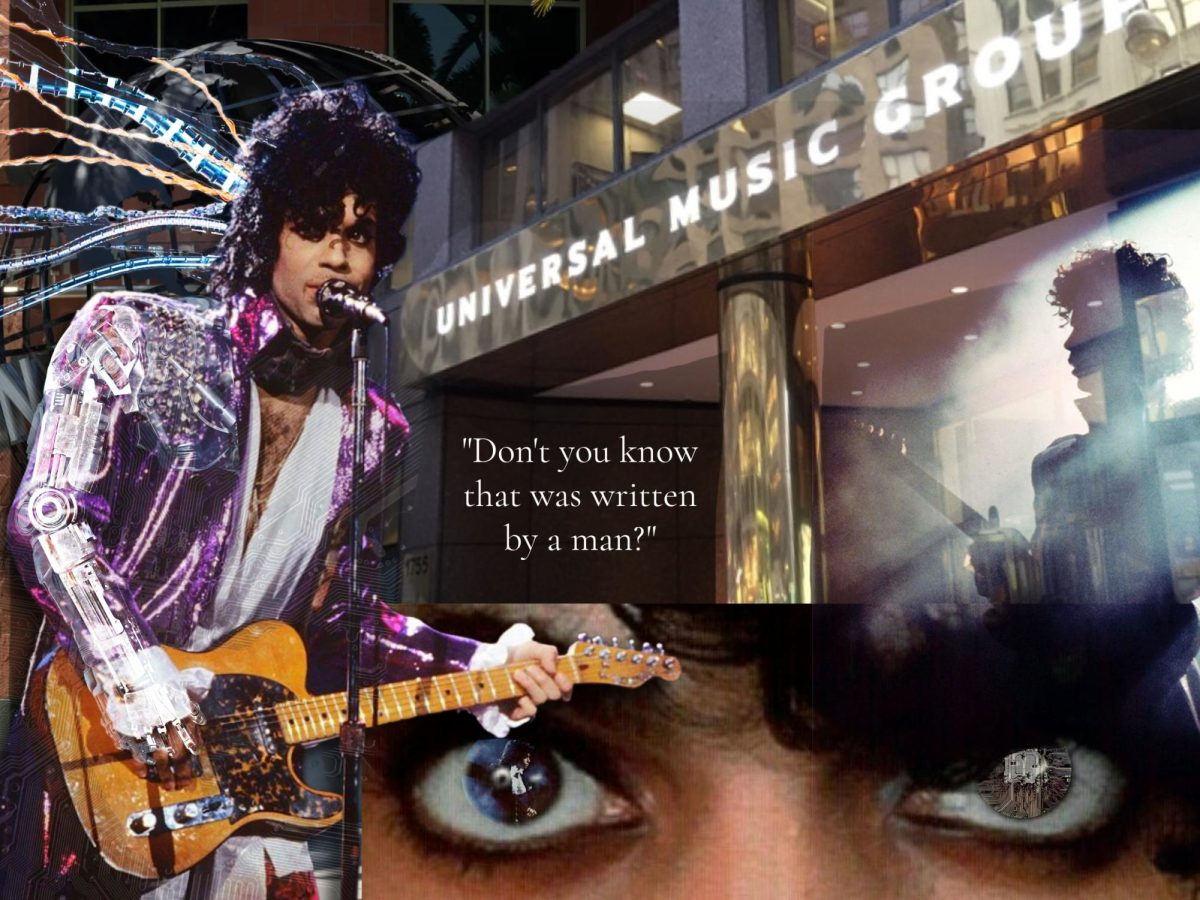
In an interview about AI-generated music, the English rock drummer Steve Grantley said, “In the future, kids will go, ‘Oh, you know, people used to write songs. Not machines. Don’t you know that was written by a man?’”