
Thousands of years before modern antibiotics existed, Neanderthals may have used a sticky substance made from tree bark to help fight infections. A new study found that birch tar, a material previously known for its role in prehistoric toolmaking, can also inhibit the growth of bacteria associated with wound infections.
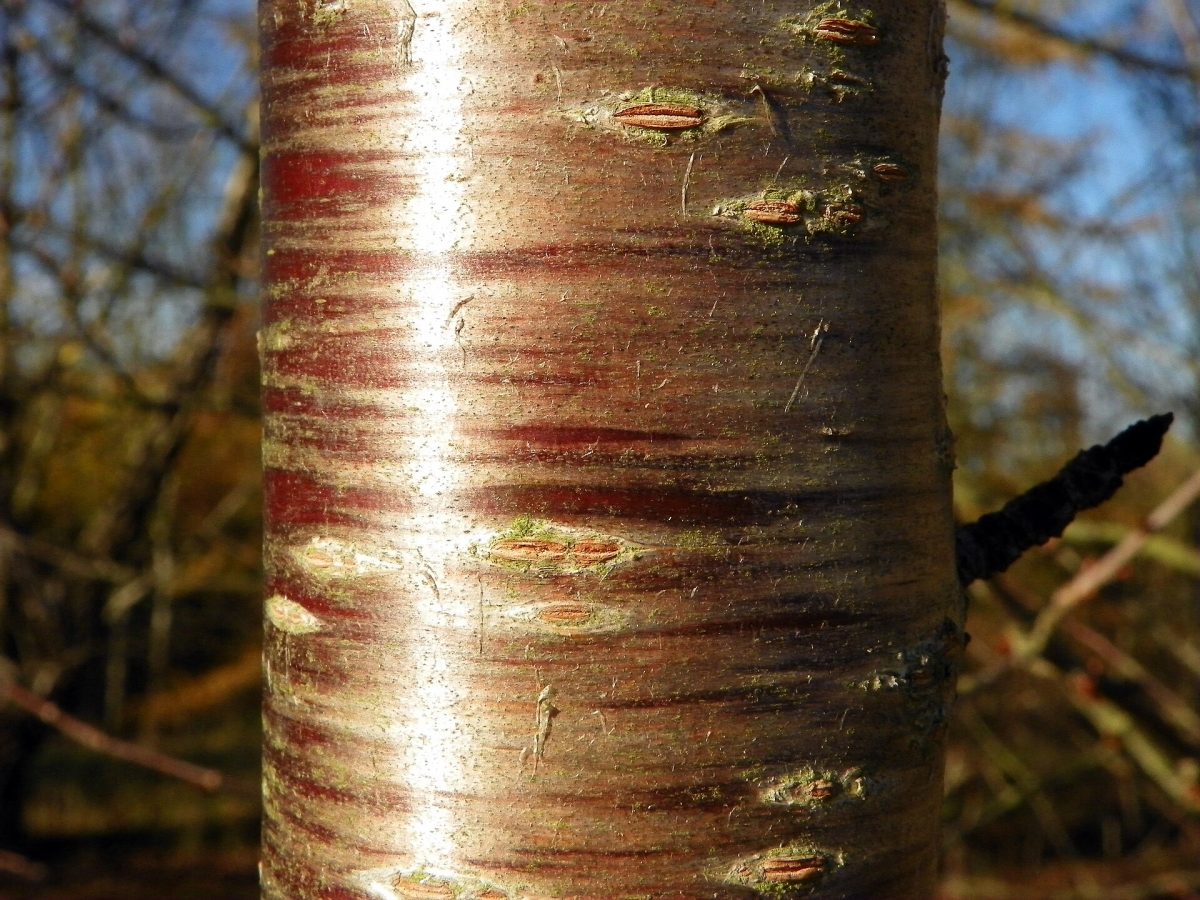
Researchers from the University of Cologne, the University of Oxford, the University of Liège and Cape Breton University investigated whether birch tar could have served as an early form of medicine. The substance is produced by heating birch bark and was commonly used to attach stone tools to wooden handles.
Archaeologists have discovered traces of birch tar at numerous Neanderthal sites across Europe, but its potential medical uses have received less attention.
To investigate, researchers recreated methods believed to have been used by Neanderthals to produce the material. One technique involved heating birch bark in a sealed underground pit with little to no oxygen.
Another involved burning the bark near a solid surface, allowing sticky tar to collect as vapors condensed. The researchers then tested samples produced using these different methods to determine whether they could prevent bacterial growth.
The results showed that every sample inhibited the growth of Staphylococcus aureus, a bacterium commonly associated with wound infections. Some strains of this bacterium can cause serious illness and have developed resistance to multiple antibiotics.
The findings suggest that birch tar may have offered Neanderthals a way to protect wounds from infection, even though they lived long before the development of modern medicine.
“The findings suggest that antimicrobial properties played a role as far back as the time of the early Neanderthals and could have been used in a targeted manner,” Tjaark Siemssen, a researcher involved in the study, said.
However, the experiments do not prove that Neanderthals applied birch tar to wounds. They demonstrate that the substance they could produce had antibacterial properties that might have made it useful for medical care.
The discovery also raises questions about Neanderthal knowledge of the natural world. Although they are often remembered for their stone tools and hunting practices, evidence suggests that Neanderthals used plants and may have practiced forms of medical care.
If they recognized the medicinal properties of birch tar, it would provide another example of how they used available natural resources to address health issues.
The discovery could also be relevant to modern medicine. Antibiotic resistance has made some bacterial infections increasingly difficult to treat, leading scientists to investigate alternative substances with antimicrobial properties.
Ancient materials such as birch tar may contain compounds worth studying further.
However, inhibiting bacterial growth in a laboratory does not automatically mean a substance is safe or effective for treating human wounds.
The study offers a new perspective on a material once considered mainly a prehistoric glue. By demonstrating its antibacterial activity, researchers have identified a possible additional use for birch tar and highlighted the value of investigating ancient materials.
Further research could help determine whether its properties might contribute to future strategies for fighting bacterial infections.