
The ingredient that gives cookies and ice cream their vanilla flavor could one day help heal wounds, according to researchers at Flinders University in Australia.
Scientists at the university’s Biomedical Nanoengineering Laboratory found that vanillin, the main compound behind vanilla’s flavor and smell, has antioxidant, anti-inflammatory and antibacterial properties.
Together, those traits could make it useful in products that treat chronic wounds, infections and damaged tissue.
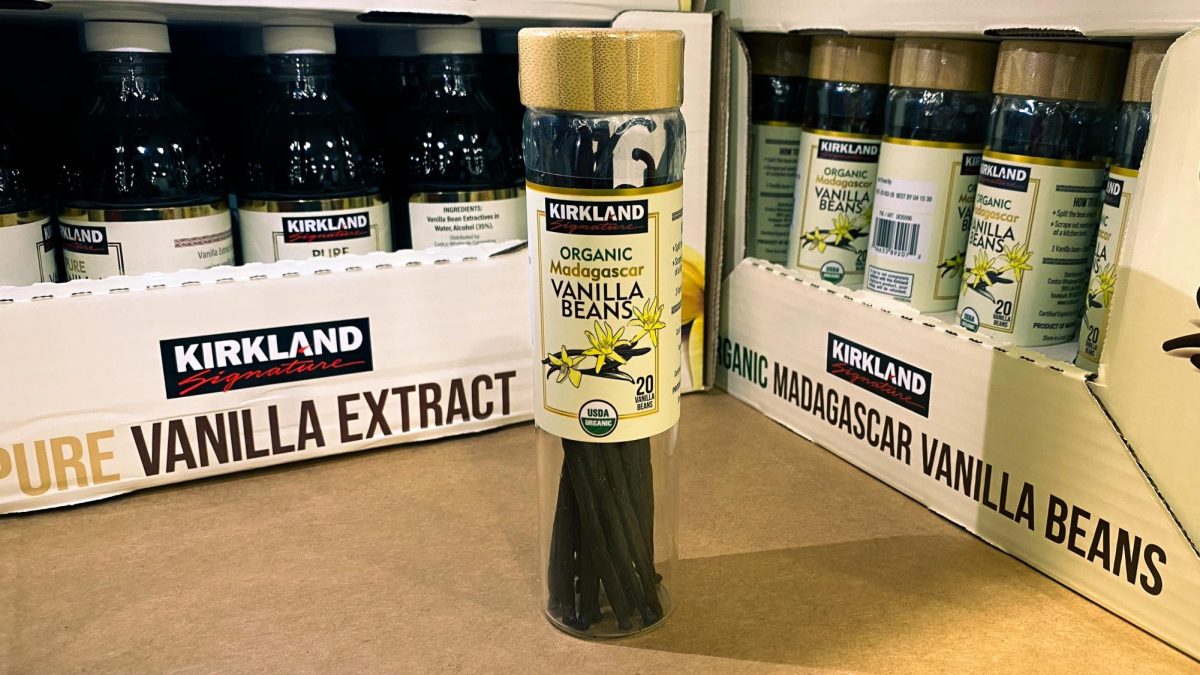
Vanillin is found naturally in vanilla pods, but it can also be made synthetically from materials such as clove oil or rice.
While it is best known as a food flavoring, its chemical makeup gives it possible uses far beyond the kitchen.
One of those uses comes from its ability to act as a crosslinker, meaning it can help connect different parts of a material. That could make it useful in medical materials that carry drugs or support tissue repair.
“Vanillin is among the most widely used flavor compounds in the global food system, valued for its sensory attributes, chemical stability and long history of safety – and that can be transferred to other areas, such as medical uses,” said Krasimir Vasilev, a professor of biomedical nanotechnology and director of the lab.
The researchers see the most promise in treating chronic wounds and ulcers. These wounds are often hard to heal because of ongoing inflammation, bacteria and oxidative stress, a process in which harmful molecules overwhelm the body’s defenses and damage cells.
Because vanillin may help with all three problems, the researchers believe it could offer several benefits in wound care.
It may also help deliver hydrophobic drugs, which are substances that do not dissolve easily in water and can be hard to get where they are needed.
“Because vanillin’s synthetic form is abundant and cost-effective, we believe vanillin-based formulations may offer safe and multifunctional solutions for ulcer treatment and targeted drug delivery, especially of hydrophobic compounds,” Vasilev said.
Cost is another advantage. Since synthetic vanillin can be made in large amounts, it could be easier to add to mass-produced medical products than more expensive compounds. Its simple structure could also help manufacturers keep quality consistent and supplies reliable.
The vanillin research builds on earlier work from the same team. In February, the researchers published related work describing a medical coating made from peppermint oil designed to protect against infection, inflammation and oxidative stress.
Vasilev got the idea for the coating after noticing that eating peppermint leaves from his drink eased his sore throat.
He then turned to plasma technology, which he studied for more than 20 years, to build peppermint’s benefits into a durable coating. The team is now applying that approach to vanillin.
Still, vanillin-based treatments are not ready for patients.
They need further development and more clinical testing before anyone knows whether they are safe and effective.
“With coordinated engagement between academia, clinicians, and industry, vanillin has the potential to progress from an underutilized bioactive to a clinically deployable component of next-generation wound care and regenerative therapeutics,” Vasilev said.