
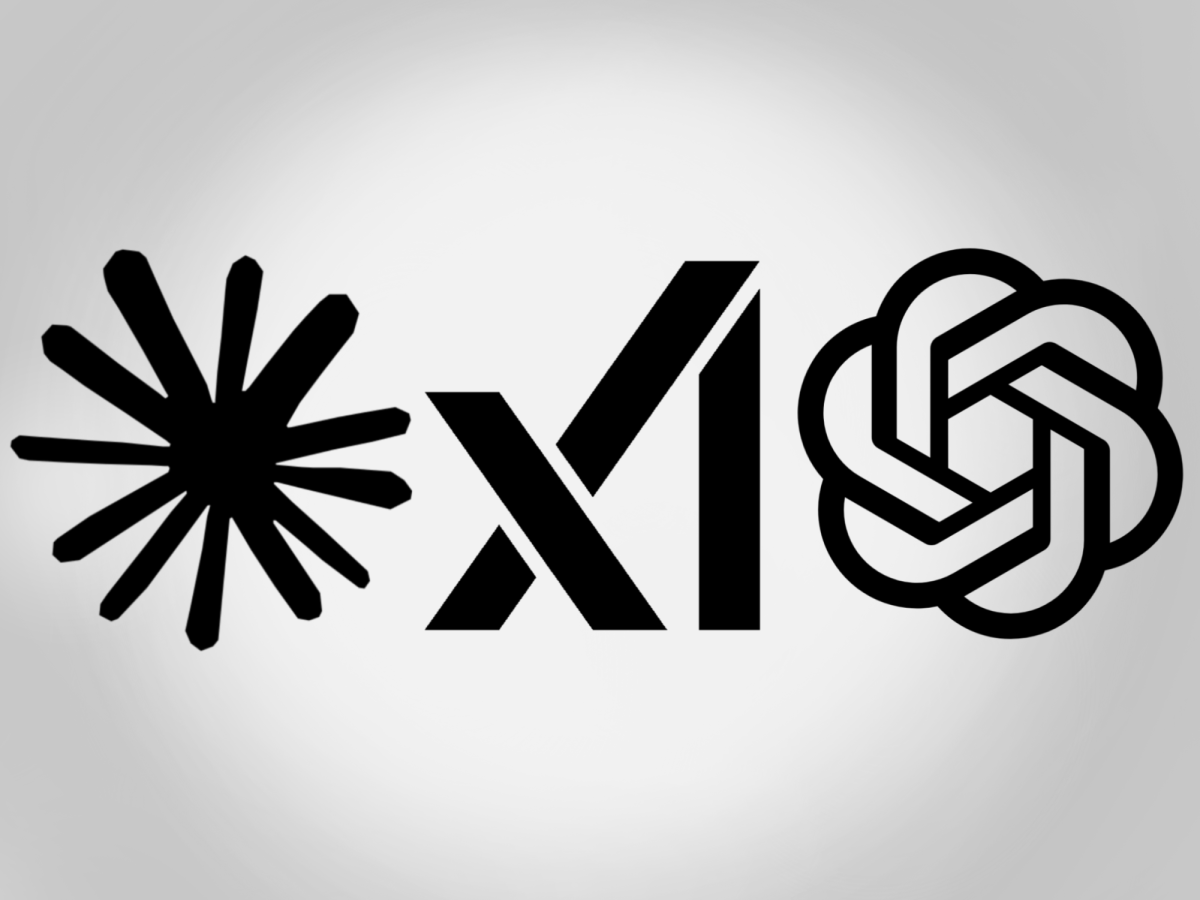
President Donald Trump’s dismissal of artificial intelligence risk warnings as a “hoax” and a “conspiracy” leaves the country without real federal safeguards when tech leaders are asking for oversight, according to BBC. Anthropic’s Dario Amodei, OpenAI’s Sam Altman and xAI’s Elon Musk have all called for industry-wide deceleration and independent monitoring, according to the BBC. Dismissing the consensus as political noise ignores where the warnings are actually coming from.
The United States should move much faster than the administration currently wants.A bipartisan working group found in 2024 that the country needed to spend at least $32 billion over a course of three years to build AI safeguards, yet that report produced little follow-up, according to AP News.
Congress cannot afford to let another warning sit unaddressed while the technology keeps advancing.
According to a White House Press release, their March framework focuses on parental controls, intellectual property, free speech and workforce training.
It stops short of addressing the systemic risks that AI executives have raised, and it treats a uniform national policy mainly as a tool to prevent state regulation rather than a serious safety framework.
Trump’s vision is not adequate as it treats AI oversight as a threat to innovation rather than a basic safety requirement.
Comparing safety concerns to a hoax or a conspiracy dismisses warnings coming directly from the industry’s own leadership, not from political opponents looking to score points.
Sufficient AI safeguards should include federal security standards, mandatory testing before models are released and mechanisms like the kill switch proposal introduced in the White House that would require developers to maintain the ability to shut a system down, according to PBS.
The government should also take a more active role in AI company policymaking, including the authority to crack down when firms cross clear lines rather than relying on companies to police themselves.
Cross-border data governance also requires congressional attention, since AI systems increasingly rely on data and computing infrastructure that cross national boundaries.
Clear standards for international data flows and coordination with allies would reduce the risk of AI development happening under rules set entirely by companies rather than governments.
Sovereign AI and computer geopolitics matter too.
Trump has framed AI oversight as a competition with China, writing that “the only one” happy about calls for stronger safeguards “is China,” according to BBC.
Losing the ability to shape global AI standards would hand more influence to countries with far fewer safeguards, not fewer regulations here at home.
Congress already has the tools it needs to take action.
A bipartisan bill tracking AI safety concerns tied to national security and civil liberties, along with a separate kill switch proposal, shows bipartisan support already exists, according to AP News, even as leadership in both chambers moves slowly toward an election-year recess.
Rep. Don Beyer said Congress is “capable” of passing stronger AI rules and that sufficient support exists for multiple bills already introduced, according to AP News.
What is missing is leadership willing to bring those bills to a vote instead of waiting for a crisis severe enough to force action.