
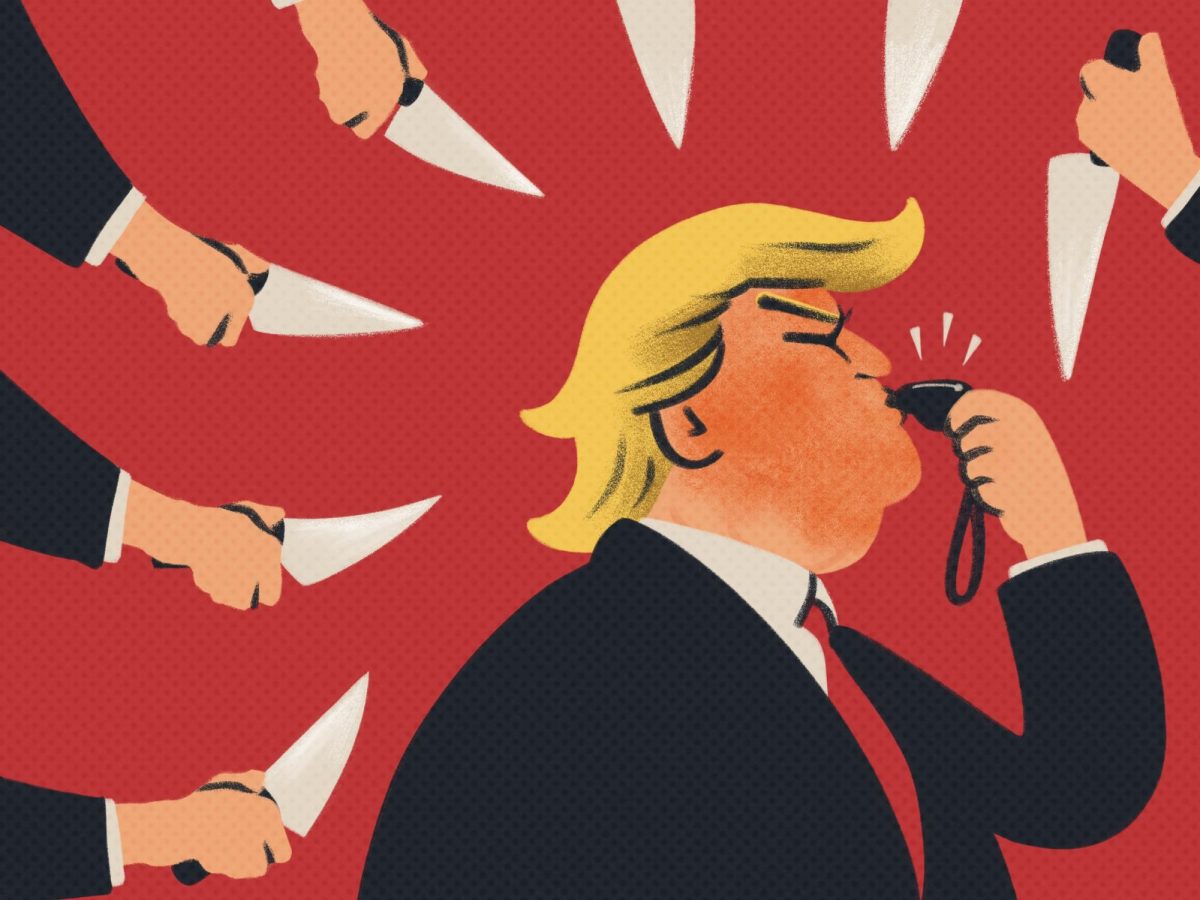
President Donald Trump’s new fraud whistleblower program is unethical, and it will leave America more divided than it already is.The Justice Department will pay tipsters $10,000 to $30,000 once criminal charges are filed, long before anyone is found guilty.
Paying for an accusation instead of a conviction invites people to accuse first and let the courts sort out the damage.
The department also keeps “sole discretion” over every award.The rules are also unclear.
Trump promised a 1% “commission” with “no limit,” yet a White House official said individuals can collect up to $30,000. Trump said payment will be made “if we recover the money,” yet the Justice Department said criminal charges alone trigger awards.
Trump also said he will decide who gets paid when several people claim the same tip.
“I will be the arbitrator of all of these decisions,” he said, calling the process “binding arbitration.”
Putting a president in charge of who collects Treasury money hands a political figure power over a legal process.
The risks are not just theoretical. Influencer Nick Shirley, who joined Trump at the announcement, posted a video accusing members of Minnesota’s Somali community of running fake childcare centers, yet inspectors said the centers were “operating as expected.”
Investigations, searches and arrests followed.
Fairness requires noting that a childcare center operator, Fahima Mahamud, pleaded guilty to wire fraud in July. The White House says she appeared in Shirley’s video, but one guilty plea does not prove the accusation against an entire community.
Rewarding accusations also feeds the worst instincts in politics.
Trump said at an Oct. 19 rally that Somalis “come here with low IQs and no money and they get rich.” Trump’s own pitch shows the problem.
“People will make millions of dollars by turning others in,” he said, and neighbors chasing a quick payout will have every reason to turn on one another.The program will also not uncover many significant cases.
The False Claims Act already lets whistleblowers sue and keep a share of recoveries, typically 15% to 30%.The Justice Department says it will prioritize tips about hospice, home health care, daycare and special services fraud.
Those priorities point toward programs serving lower-income families and echo Vice President JD Vance’s accusations against Democrat-led states over fraud in programs such as Medicaid.
When asked why anyone would use the new program instead, Vance said that over 99% of the fraud the administration is finding “isn’t covered by the False Claims Act.”
A $25 million fund and a tip line will not change how fraud cases are built. The timing is hard to ignore. The program is part of Trump’s midterm campaign blitz, which pairs fraud-fighting with sending government money straight to Americans.
Fighting fraud matters, but it should run through prosecutors who present evidence rather than payouts for suspicion. This program will teach Americans to profit from accusing their neighbors.