
Kenya announced its first Ebola case on Oct. 6, after a man who traveled from Congo through Uganda died in Nairobi. By Oct. 20, it had confirmed nine cases, all linked to that patient.
The virus responsible for Kenya’s recent cases, Bundibugyo, has no approved vaccine or treatment, according to the Centers for Disease Control and Prevention.
The wider outbreak, the second largest in Ebola’s history, has killed more than 4,300 people across the region. The outbreak likely circulated for months before it was confirmed by officials in mid-May, and it had spread farther before detection than any previous Ebola outbreak, wrote Stephanie Psaki, a former White House global health security coordinator.
Virologist Angela Rasmussen told CNBC that the loss of U.S.-funded refrigerated transportation left samples degraded before they reached labs, which contributed to a delay in detection.
The recent outbreak of Ebola in Kenya is not just a case of bad luck.
It is what happens when a virus is allowed to grow too large and too quietly after Washington tears down the systems built to catch and prevent it. Neither Washington nor Elon Musk created this virus, but both bear major responsibility for how far it has spread.
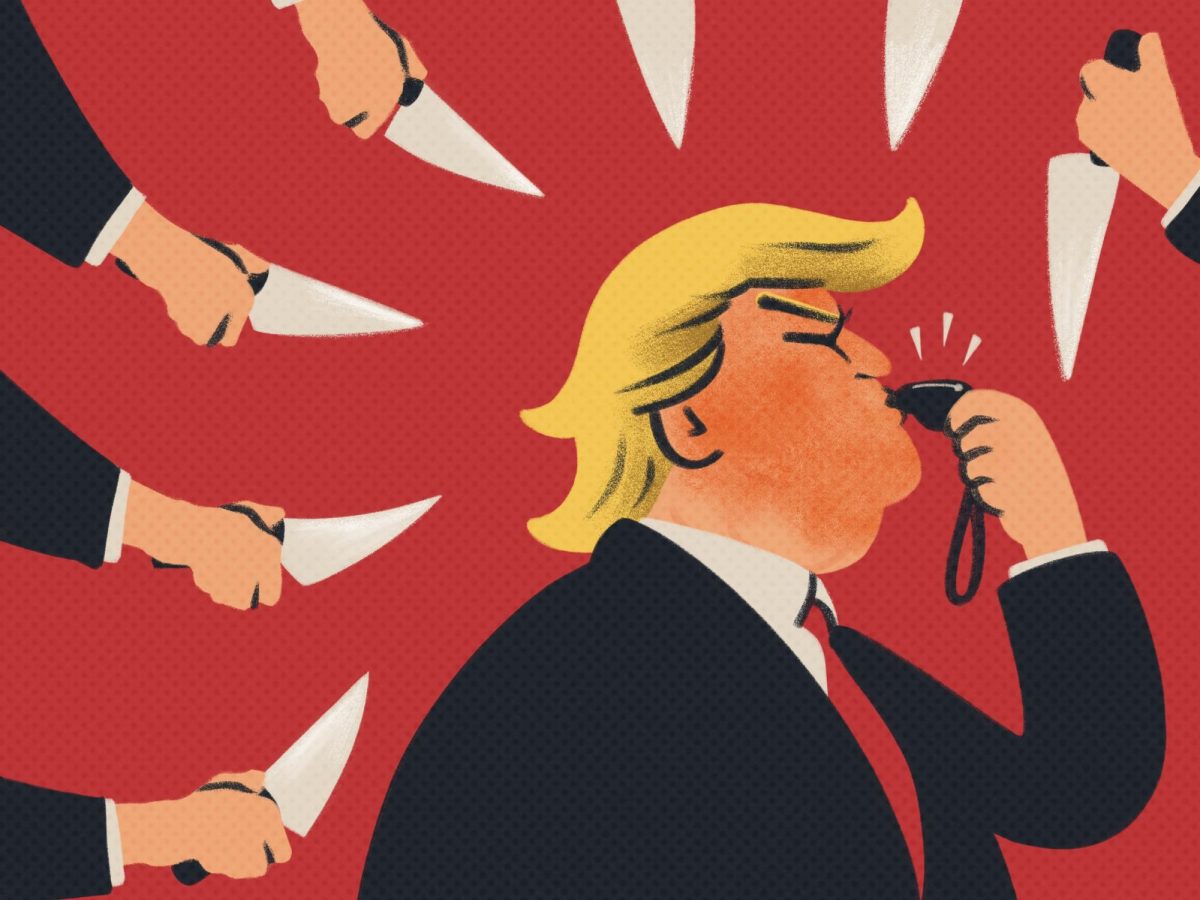
Much of this damage traces back to Musk, who initially oversaw the Department of Government Efficiency, better known as DOGE, as it dismantled the U.S. Agency for International Development.
In 2025, Musk and DOGE staffers, in their slash-and-burn campaign against U.S. federal programs, canceled U.S.-funded Ebola prevention and response contracts. Musk later admitted that DOGE had accidentally cut those programs.
The Trump administration said those programs resumed, but former partners of the United States Agency for International Development have said that funding from Washington for their health programs in eastern Congo stopped that year, according to Psaki.
Calling the cuts an “accident” does not undo the price paid.
Jeremy Konyndyk, who oversaw USAID’s 2014 Ebola outbreak response, told The Guardian that the outbreak would have been detected much earlier if health programs had not been slashed. Of Musk’s cut-first, fix-later approach, he said, “here the cost is literal human lives.”
Washington’s response in Kenya shows how misplaced its priorities are and how negligent the current administration has been.
Rather than use its Ebola units at home, the U.S. built a quarantine center at a Kenyan air base for Americans returning from Congo.
The center sparked protests in which police shot and killed three people, and the Kenyan High Court ordered a halt to the project.
In the face of U.S. dereliction of its duty, the WHO can still coordinate contact tracing across borders and speed vaccine trials. But it has to do so with much less, since the U.S. withdrew in January and pulled substantial funding, according to Kenyan health advocate Allan Maleche.
Washington should step back into its leadership role and rejoin the agency rather than work around it.
Defenders of the administration point to the more than $500 million Washington has committed to the response, more than any other country, according to Psaki.
That money matters, but it came months late, after the cuts had stripped the region of its best defense: early detection.
Kenya’s cluster may stay small, but viruses know no borders, so the next case may not be caught so quickly.
If Washington will not lead, then the world must step up.