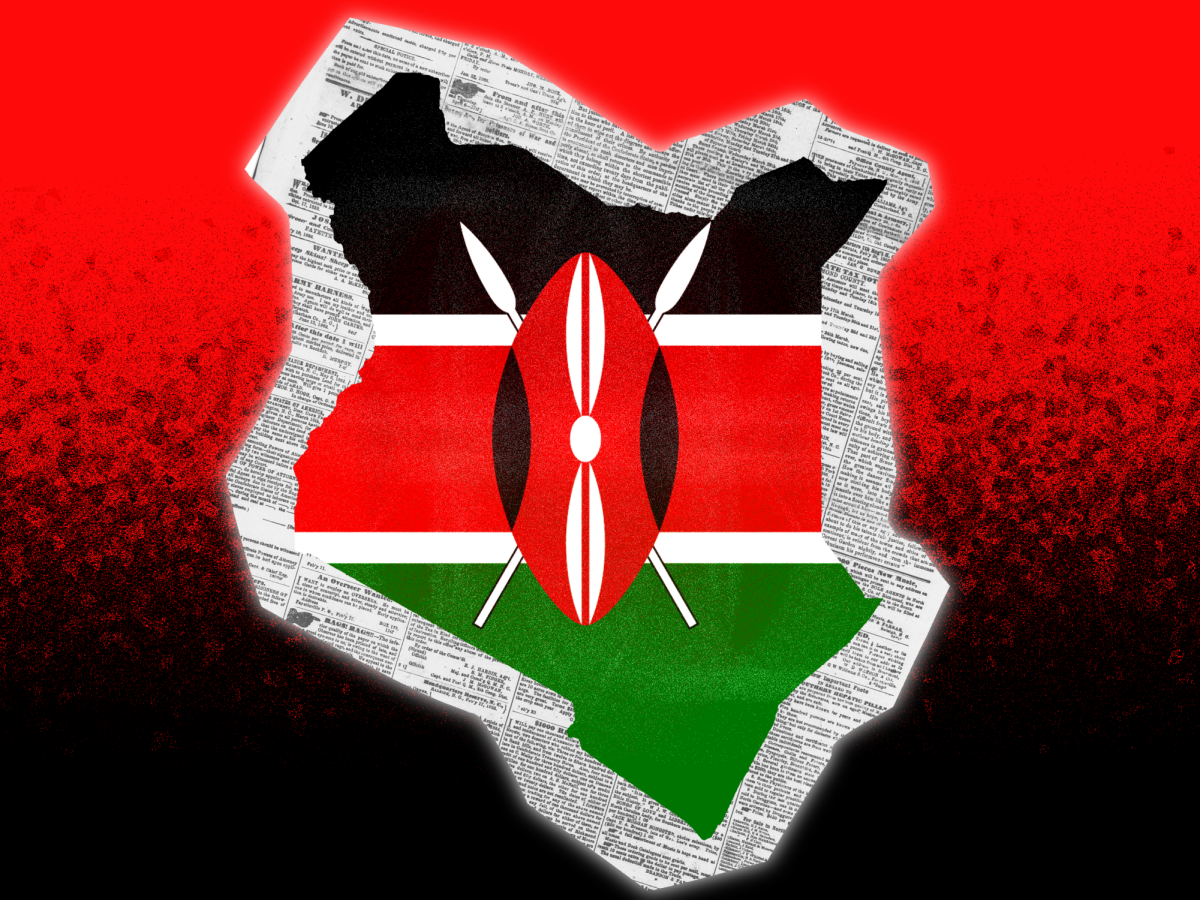

Egyptian security forces detained six journalists from the independent investigative and fact-checking platform, Matsadaash, for allegedly working for an unlicensed outlet tied to the terrorist group, Muslim Brotherhood, in late October.
Muslim Brotherhood is an Islamist religious and political movement, founded in 1928, seeking to make Islamic principles and law play a central role in society and government. Some governments have labeled it a terrorist organization, such as Saudi Arabia and the U.S., because of its historical involvement in political violence and alleged connections to militant groups such as Hamas.
This event highlighted the fact that Egypt is not doing enough to protect the freedom of the press: journalists should be able to report the truth without fearing arrest.
The detention of the six Matsadaash journalists raises concerns about how the government treats independent media.
The international community should step in by pressuring Egypt to protect journalists and ensure fair trials.
Other countries and human rights organizations can also help by monitoring the situation and calling for transparency.
Across the two days, journalists Abdallah Qadry, Mohamed Ashraf Abu Emeira, Mohamed Adel, Islam Barakat, Mohamed Mahmoud and Omar Helal were arrested at their homes or in the streets of Cairo.
The home raids did not come with any arrest warrants or any information about where the journalists could be located. Furthermore, during the home raids, security officers took all devices located in the household for investigation.
On top of that, Amnesty International revealed that Egypt prisons lack proper care for prisoners, which includes poor healthcare and insufficient food. On Oct. 1, Abdelrahman Mansour, co-founder of the Matsadaash, denied the accusations of having any association with the Muslim Brotherhood.
Additionally, on his call with the Committee to Protect Journalists, he explained that, “In 2023, our former colleague Karim Asad was arrested after we published a major investigation.
The authorities investigated these same allegations, and he was released within 36 hours.”
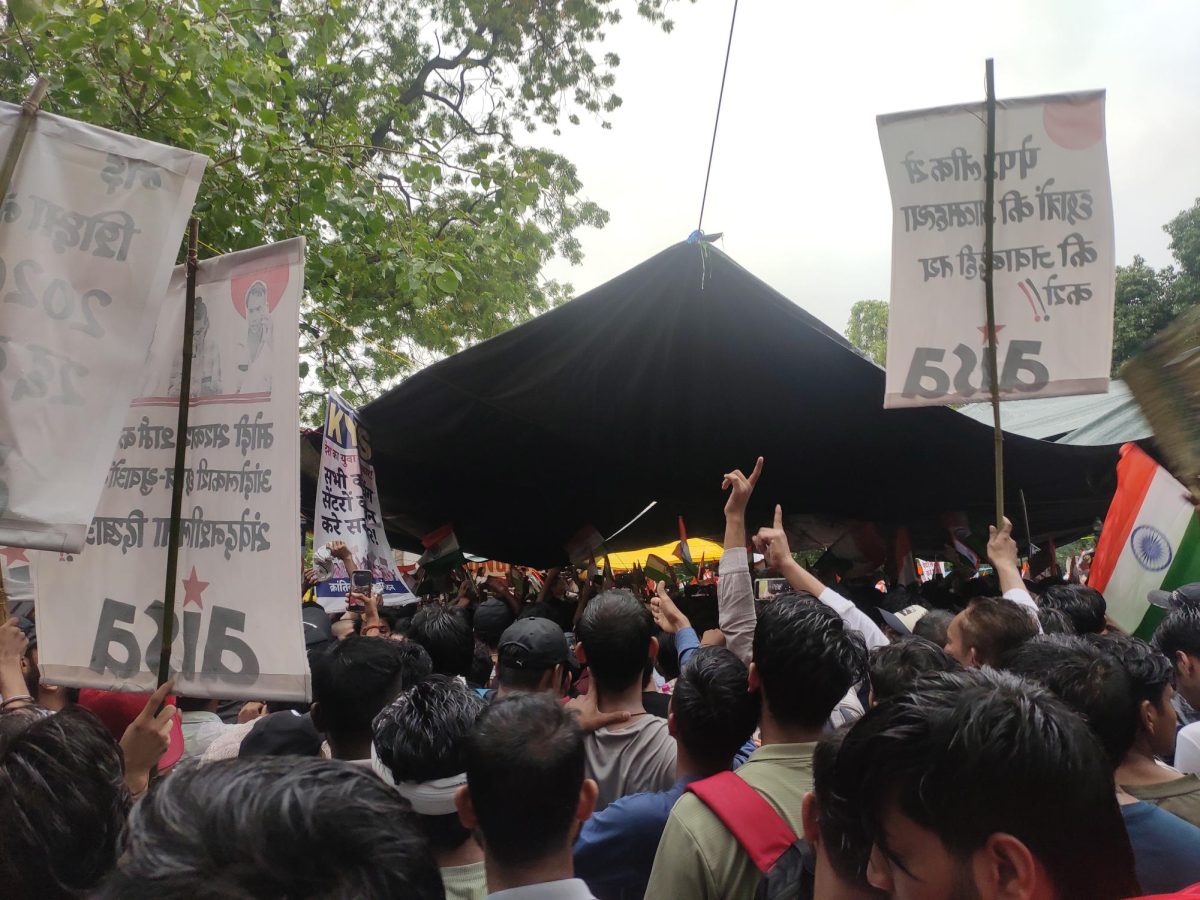
In response to the arrests, on Oct. 3, multiple journalists decided to sit in outside the Egyptian Journalists Syndicate in Cairo, demanding the release of all the journalists.
The EJS informed the public that they would hold an emergency meeting on Monday to address the arrests of the six journalists.
However, on Oct. 4, according to the Egyptian Initiative for Personal Rights, Emeira was charged with joining a terrorist group and spreading false news. These charges were announced after the ten-hour interrogation he took part in.
The accusations against the journalists do not automatically prove that they are guilty.
The Egyptian government should provide clear evidence to support the charges and allow the journalists to contact their lawyers while they are detained and be able to defend themselves in court.
If the charges are based only on their reporting rather than actual criminal activity, they should be dropped.
Freedom of the press is important, as it is their job to inform the public, expose wrongdoing and hold governments accountable for their actions.