

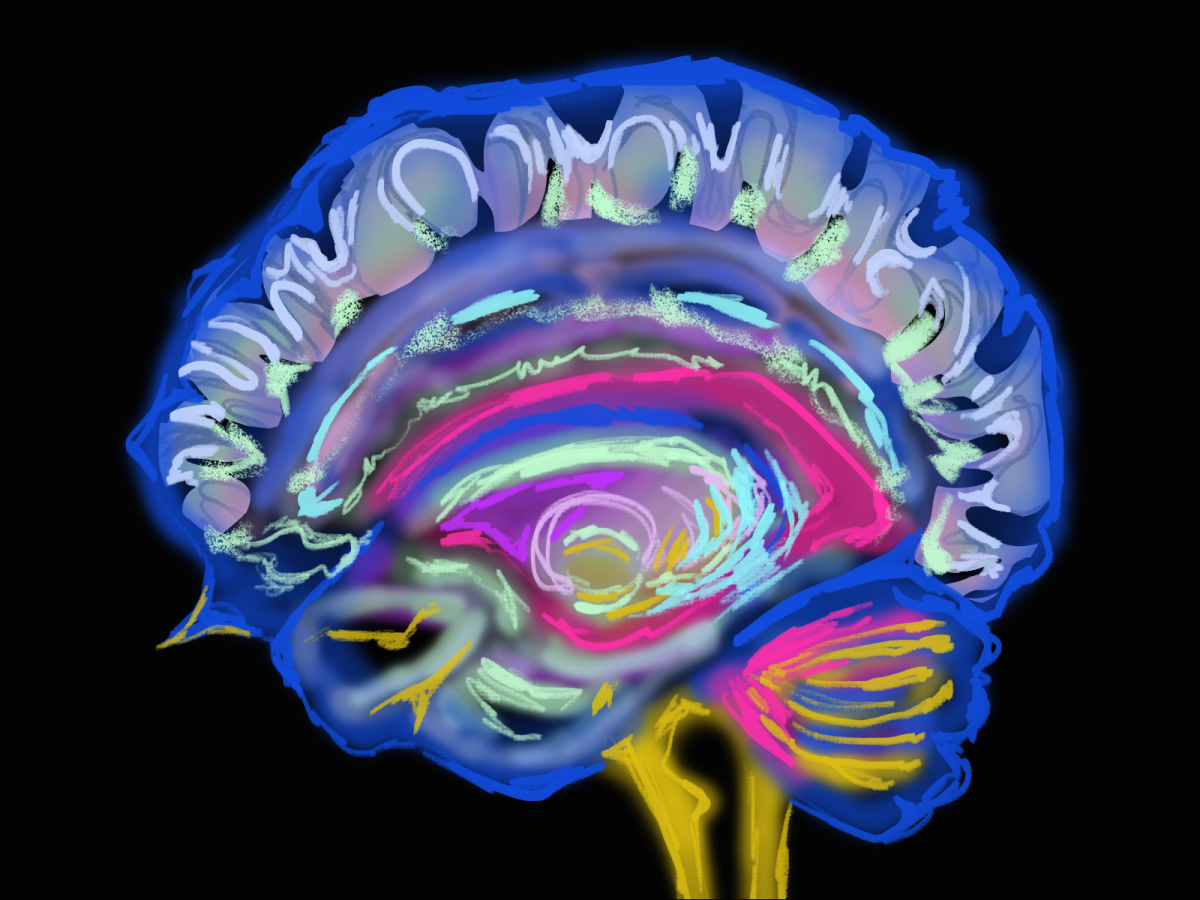
Menopause is often associated with hot flashes, sleep problems and changes in mood, but its effects may extend beyond the symptoms most people recognize.
Researchers are now looking more closely at how the transition may shape the brain years later and whether hormone replacement therapy, a hormone-based treatment commonly used to manage symptoms of menopause, can influence those changes.
Recent studies offer mixed conclusions, suggesting that the timing of menopause and treatment may matter for cognitive health, even as the broader effects of HRT remain uncertain.
Researchers have long tried to understand why women are more likely than men to develop Alzheimer’s disease and other forms of dementia.
Menopause has become an area of interest because it brings major hormonal changes, including declining estrogen levels, that may affect the brain as well as the body.
Previous research has linked earlier menopause with a greater risk of cognitive decline, while surgical menopause, which can occur after removal of the ovaries and /or uterus, has drawn attention because it can shorten a person’s lifetime exposure to estrogen.
HRT has also been studied as a possible factor in that relationship, though findings about its effects on brain health have remained mixed.
Those uncertainties have made it difficult to determine how much of the risk is tied to menopause itself, hormone exposure or other health factors.
One recently published study followed more than 180,000 postmenopausal women in the UK and found that HRT use was associated with a 10% lower risk of dementia overall and a 16% lower risk of Alzheimer’s disease over a 13-year period.
The association was even stronger among women who experienced surgical menopause, whose dementia risk was 26% lower among those who used HRT. Women who began treatment between ages 46 and 56 also showed a lower risk than those who started later in life.
The researchers cautioned, however, that the study was observational and cannot determine whether HRT itself was responsible for the lower risk.
Another published study placed greater emphasis on when menopause occurred. Researchers found that women who entered menopause earlier were more likely to experience cognitive decline later in life and receive an Alzheimer’s diagnosis at a younger age.
Earlier menopause was also linked to faster accumulation of white matter hyperintensities, areas that appear unusually bright on brain scans and can indicate damage to brain tissue, an effect that showed up specifically in women whose bodies went through natural menopause.
The finding suggests that changes associated with menopause may remain detectable in the brain decades later.
Another study made the role of HRT more difficult to interpret.
A separate analysis examined nearly 125,000 women and found that postmenopausal participants had higher levels of anxiety, depression and poorer sleep than premenopausal participants.
Brain imaging from a smaller subset also revealed reduced gray matter in areas tied to memory and emotion.
Gray matter is brain tissue made largely of nerve cell bodies and plays an important role in functions such as memory, learning and emotions.
Among postmenopausal women, those who had used HRT reported more anxiety and depression. They also showed greater shrinkage in some brain regions than those who had not used the treatment.
However, they did perform better on a reaction-time measure. Researchers noted that the study could not determine whether HRT caused those differences, particularly because differences in mental health may have already existed between the groups before HRT use began.
The mixed findings underscore how unsettled the relationship between menopause, HRT and brain health remains. Some studies associate hormone treatment with a lower risk of dementia.
In contrast, others link its use to differences in mental health, sleep and brain structure, though none establish that HRT directly caused those outcomes.
Differences in when treatment begins, the type or dose used and a person’s health before starting therapy may help explain the variability in results. More research will be needed to determine which factors matter most.