

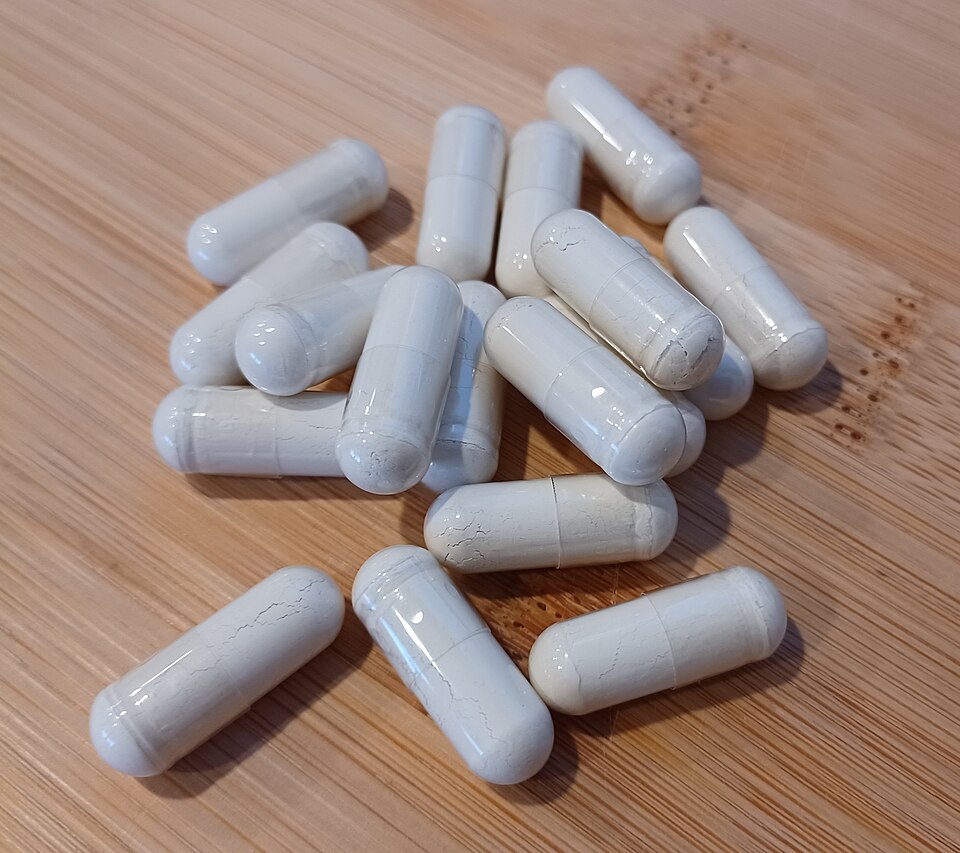
A new study was published about tyrosine, a common amino acid found in supplements. It is found in a lot of “focus” and “brain” supplement combinations, and many people take the amino acid to think more clearly and feel less stressed.
The study looked at more than 270,000 people from the UK Biobank. The research team led by Jie V. Zhao, Yitang Sun, Junmeng Zhang and Kaixiong Ye conducted the study.
They wanted to know whether tyrosine and another amino acid called phenylalanine had any effect on how long people live.
Men with higher tyrosine levels in their blood had shorter lifespans, by almost a year on average. Women did not replicate that pattern.
Tyrosine is a normal amino acid that bodies need. It comes from protein-rich food such as meat, eggs, fish and dairy. The body also uses it to make dopamine, which affects mood, motivation and thinking. Inc. media pointed out that it appears in supplement combinations alongside ingredients such as ashwagandha and lion’s mane.
The researchers used two methods. First, they looked at blood levels and death outcomes. Then they used a method called mendelian randomization.
This approach uses genetics instead of a single blood sample, since genes get set before lifestyle habits and diseases show up. It gives a stronger hint at cause and effect.
Both approaches pointed the same way. More tyrosine, shorter lifespans in men.
They also checked phenylalanine on its own.
Both amino acids looked risky at first, but once tyrosine was factored in, phenylalanine dropped out of the picture.
Scientists still do not understand why this happens. One possibility is insulin resistance, a condition when cells stop responding well to insulin and is tied to many age-related diseases.
Another possibility is that tyrosine feeds into stress hormone pathways and those pathways can work differently in men versus women, which might explain why only men were affected.
However, both are still regarded as hypotheses.
The study did not test tyrosine supplements directly. It looked at natural tyrosine levels in blood, not people taking pills.
Researchers mentioned that cutting protein intake could lower tyrosine levels, but they do not yet know if that helps a person live longer.
SciTechDaily noted this raises real questions about supplements marketed for mental performance and stress support.
It does not prove anything is dangerous.
However, more research is needed before these can be recommended as part of one’s routine.