

It is said that “an ounce of prevention is worth a pound of cure,” meaning prior precautions are required to cure a disease.
A study at Mayo Clinic examined how artificial intelligence can be utilized as a preventative measure against pancreatic cancer by detecting it by as early as three years.
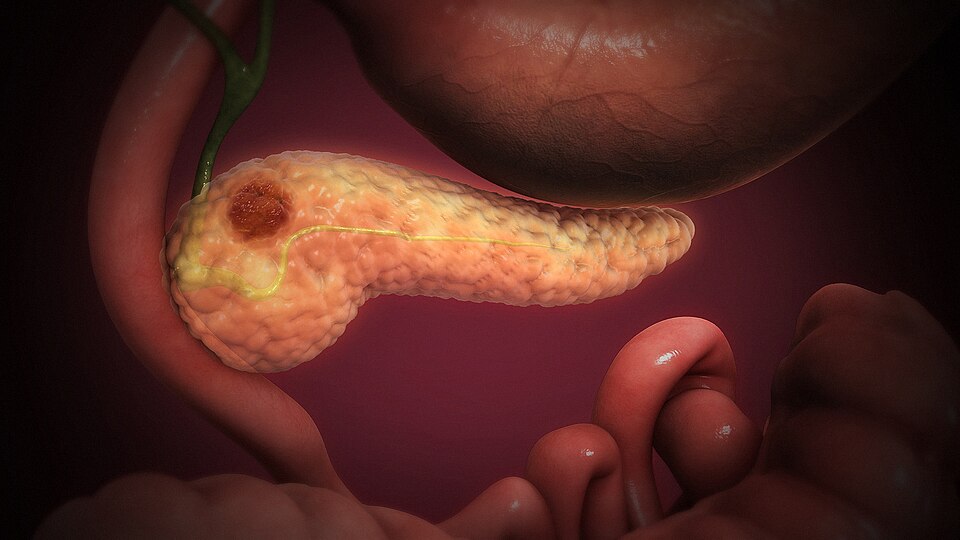
Pancreatic cancer occurs when there is an uncontrollable growth of pancreatic cells. There are three types of pancreatic cancer: exocrine, which occurs in the glands producing digestive enzymes; neuroendocrine, which occurs in the islet-cell producing glands; and adenocarcinoma, which is the most common and affects pancreatic ducts.
By 2030, pancreatic cancer will be the second leading cause of cancer-related deaths. Additionally, the Pancreatic Cancer Action Network estimates that 67,000 Americans will receive cancer diagnoses, averaging 185 per day, in 2026. The numbers are high not because of neglect, but because of a lack of symptoms or the difficulty of early detection with current medical procedures.
Radiomics-Based Early Detection Mode is a device that curates data from 2,000 CT scans of patients with late stages of pancreatic cancer and earlier scans before the diagnosis was finalized. Using the data, the device analyzes undetectable changes in tissue texture, tissue structure and small biological changes, allowing for a more appealing statistic of 73% detection rate up to 16 months in advance.
This shapes the future of preventative care, aligning with the Mayo Clinic’s mission of predicting and preventing diseases through the early detection of biological changes. AI diagnostic tools like REDMOD aim to extend the timeline of intervention, coupled with medications or procedures that enable treatment before the disease fully develops.