
Results from a genetic analysis indicated that a tortoise may hold the blueprint for a longer lifespan for humans.
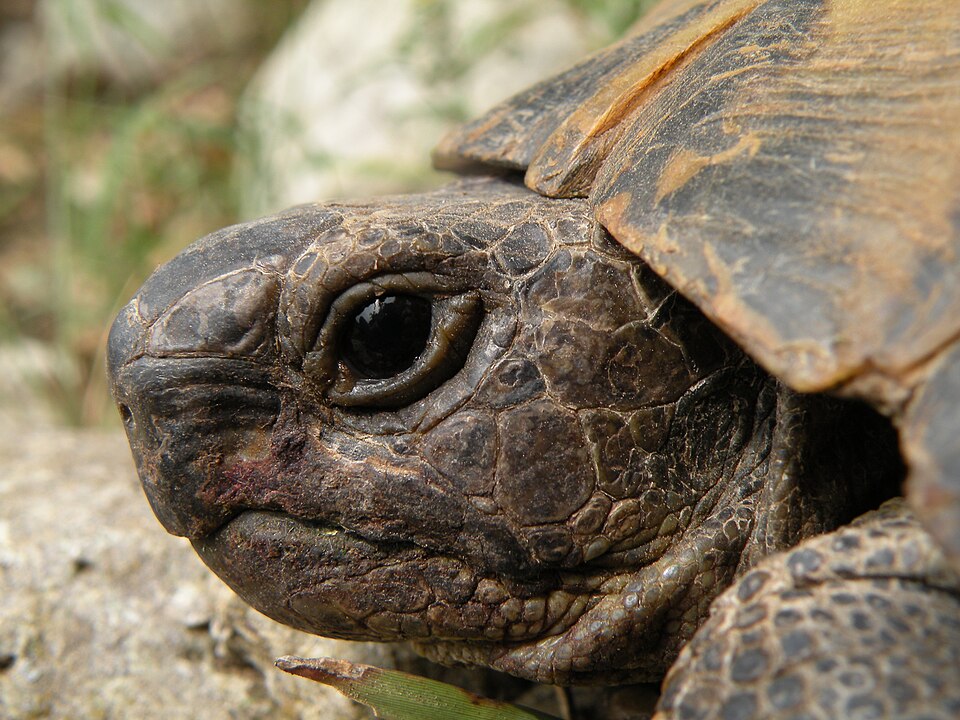
Jonathan is an Aldabra giant tortoise. He is currently about 194 years old and has spent most of his years on St. Helena, a remote island. He is currently the oldest known land animal.
Researchers took Jonathan’s DNA and ran it through tests, attempting to make connections with potential hypotheses. They found over 287 gene variants unique to him, which help protect the animal’s cells from decay through old age.
The study also indicates Jonathan possesses important mechanisms that contribute to decelerating the aging process. According to Justin Gerlach, the director of biology studies at Peterhouse, University of Cambridge who worked on the study, the tortoise has genes that accommodate DNA repair and inflammation reduction, which are important factors to slow down aging.
In an interview, Gerlach said that Jonathan’s regulatory genes are similar to those of a young animal, allowing him to age slower than expected.
Other animals such as whales, clams and sharks are known to live longer. Scientists don’t have the necessary information on the genetic makeup that causes an animal’s lifespan to be longer or shorter. Although Jonathan’s estimated age is 194, it’s entirely possible for him to be older. A photo from 1882 shows Jonathan at his adult size. Since giant tortoises mature at 50 years old, researchers estimated his age based on the 144-year-old picture. It is difficult to determine a tortoise’s age; many outlive researchers, and historical records do not always prove accurate.
Jonathan also carries extra copies of a gene which hunts down aging and cancerous cells. These discoveries enforce the idea that one single tortoise may help humans understand longevity, and maybe even apply it.
To avoid risk of infection, DNA was collected by swabbing Jonathan’s mouth rather than drawing blood. This method of collecting samples had limited options of research, disallowing more accurate techniques of sequencing DNA. So, researchers filled in the gaps using the genome of a younger tortoise.
Since the sample was only limited to one tortoise, it’s hard to determine whether the findings are specific to Jonathan or spread across all tortoises who reach old age. Jonathan is a model subject when it comes to researching genes related to longevity. The study confirms the idea that giant tortoises are renowned for their overall lifespan and health.