
Psilocybin, the psychoactive compound found in magic mushrooms, has drawn growing interest as a potential treatment for depression, anxiety and other mental health conditions.
Now, a recent study suggests that the compound may also change how animals behave toward one another.
Researchers at the University of British Columbia Okanagan found that a single low dose of psilocybin made a notoriously aggressive fish calmer and less likely to attack.
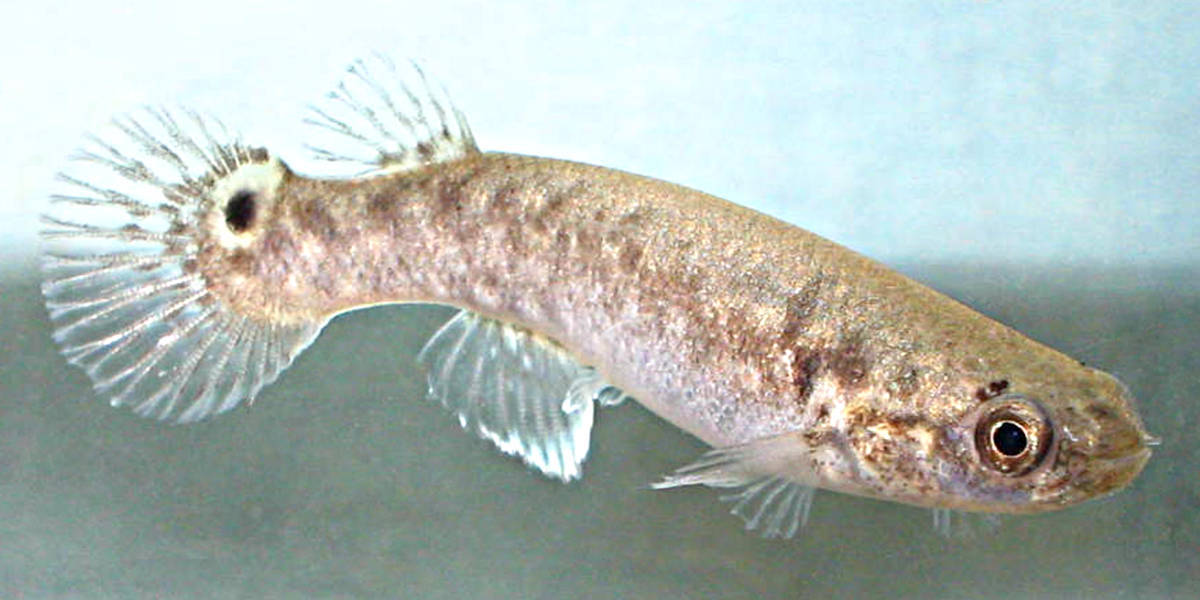
The study, published in Frontiers in Behavioral Neuroscience, focused on the mangrove rivulus, a small fish that lives in mangrove forests in Florida and Central America.
The species is known for being highly aggressive toward its own kind, which gave researchers a clear baseline for measuring changes in behavior.
The fish can also fertilize their own eggs, producing genetically identical offspring. That trait allowed the team to rule out genetic differences and attribute changes in behavior to the drug.
To test the compound, researchers paired fish of similar size from different genetic lines and recorded how they interacted.
Each pair was separated by a mesh barrier that let the fish see and smell each other but not touch. A day later, the researchers exposed one fish in each pair to psilocybin dissolved in water for 20 minutes and repeated the test with the same partner.
The treated fish moved significantly less and performed far fewer “swimming bursts,” rapid darts toward another fish that signal escalating aggression. Lower-energy social displays stayed largely the same. The results suggest psilocybin reduces the most intense forms of conflict without stopping the fish from interacting altogether.
The amount of the drug’s active form measured in the fish was comparable to levels found in people receiving a low to moderate therapeutic dose. Suzie Currie, a biology professor at UBC Okanagan and the study’s senior author, said the drug calmed the fish without knocking them out. “The fish weren’t sedated or impaired,” Currie said.
“Even in a species hard-wired for aggression, a single low dose changes how these animals interact with each other,” she said.
Fish may seem like an unlikely model for studying a drug used in human therapy, but they share much of the same biology. Psilocybin binds to the same family of serotonin receptors in fish brains as it does in human brains. Fish are also easier to keep and observe than mammals, making them useful for early-stage research.
The researchers caution that the work is foundational rather than clinical, and the results cannot be applied directly to humans. The study tested only a single dose over a short period, leaving open questions about long-term effects and repeated use.
Next, the team plans to study serotonin pathways in the fish brain to understand how psilocybin produces its calming effect.
“Fish models have a strong track record of pointing researchers toward mechanisms that hold up in mammals,” Currie added.