
Antarctica is a continent home to very few animals due to its climate. The extreme frigidness is hard to tolerate and survive in.
Penguins are one of several animals that live and breed permanently in the Antarctic. This year, scientists have identified a new species of them.
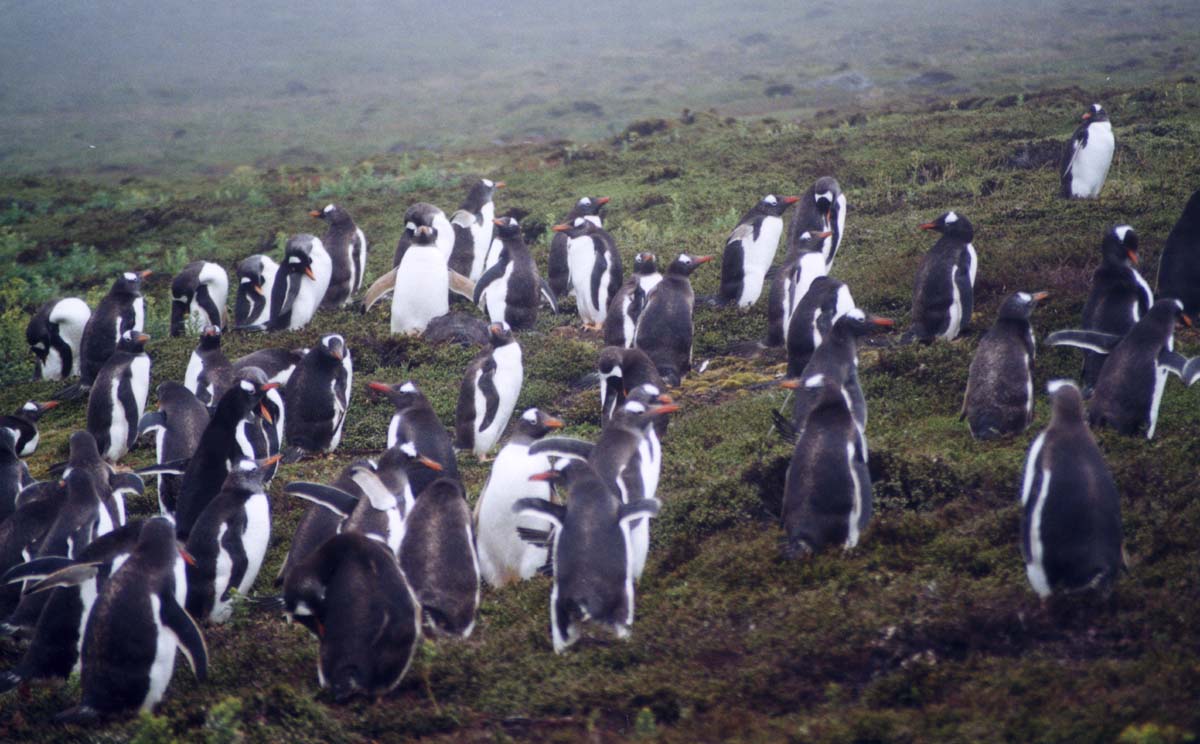
Gentoo penguins are distinctive for their vibrant beaks and feet. They are also known to be the fastest underwater swimmers of any bird, with colonies spanning across Antarctica and the sub-Antarctic Island.
Through the application of genomic analysis, scientists have discovered differences in a colony of gentoo penguins and have split them up into four total species.
The different species of penguins live in different regions of the Antarctic Peninsula and coastal islands. The difference in location as well as temperatures make it unreasonable to place them together, as one species may not survive in warmer or colder climates.
Southeastern gentoos are the newest species discovered in more than 100 years. Although there is not much information about their genetic makeup, it is noted that they have different vocalizations and body sizes compared with other species.
The southern gentoo possess genes tailored for living in extreme colds: heat production, fat storage and light perception.
The eastern gentoo has genes associated with better diving skills, oxygen efficiency and lung development. This allows the penguins to spend prolonged time underwater when hunting.
The northern gentoos genes are linked to digestion, heart contraction and muscle excitation, the process in which signals from the nervous system tell muscles to move. These genes may help during extended underwater feedings.
The southeastern gentoo species live on the Kerguelen Islands. According to Oceanographic, the islands are located almost 2,000 miles away from any “permanently inhabited landmass.”
This discovery was not exactly a surprise; scientists have spent years attempting to find out how many variations of gentoo exist.
With global warming and climate change, Antarctic regions are slowly shifting.
Oceanographic mentions that by 2050, under a moderate warming scenario, the sub-Antarctic gentoos could lose suitable habitats on every island they occupy, leaving them with limited alternatives to turn to.
Climate change is not the only threat. Researchers also recognized the destruction of the environment, competition for food with commercial fishing and accidental capture in fishing nets.
Through this discovery, scientists have widened their perspective on how things can change and diversify.
This information contributes to their efforts to conserve and aid the gentoo penguins.
Although there may be more species that have not yet been discovered, this is a productive step forward toward discovering their differences and habitats.