
The smell of food can influence appetite, evoke memories and shape how people feel, even before they take a bite. But its effects may extend beyond hunger and into physical performance. A new study found that exposure to chocolate aromas can help young men complete more leg extension repetitions without increasing their perceived exertion. The findings raise new questions about how the brain’s response to familiar aromas may play a role in physical performance.
The research examined whether chocolate aromas could influence both appetite and performance during resistance exercise.
Mohamed Naharudin, the study’s senior author and an assistant professor at the University of Malaya, Malaysia, explained that the sense of smell is closely connected to brain networks involved in appetite and emotion, but its relationship with strength-training performance had not been systematically studied.
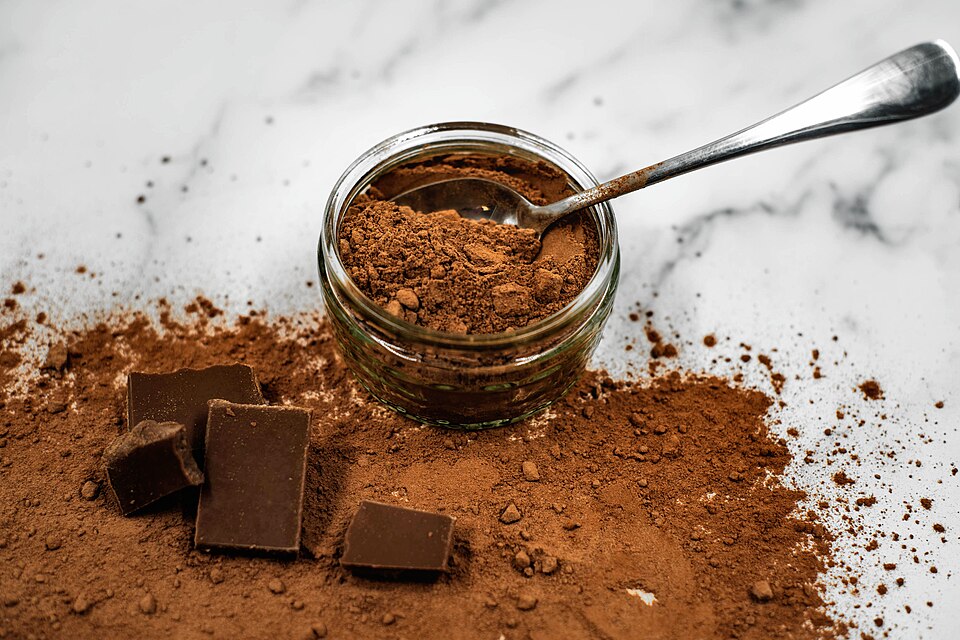
To investigate, researchers recruited 23 healthy, moderately trained men in their early to mid-20s who fasted for at least 10 hours. Participants were divided into three groups and exposed to dark chocolate containing 90% cocoa, milk chocolate containing 60% cocoa or water as a control.
They performed leg extensions, an exercise in which a seated person straightens their legs to lift a weight.
Researchers assessed leg extension performance before and during training, exposing participants to their assigned scent for 30 seconds before and between sets. The men also rated their hunger, fullness, desire to eat and intention before exercising, while hunger were measured again during the workout.
Compared with the water control group, men exposed to dark chocolate completed approximately 18 additional leg extension repetitions, while those exposed to milk chocolate completed about nine more.
The two chocolate aromas also produced different appetite-related responses.
Compared with the other groups, participants exposed to dark chocolate reported less hunger, a reduced desire and intention to eat and greater feelings of fullness before exercising.
Milk chocolate did not produce the same appetite-related changes, although participants rated its aroma as more pleasant than either dark chocolate or water.
Naharudin suggested that these differences may reflect how the brain links familiar food smells to past eating experiences.
“The dark chocolate scent serves as a learned cue for a rich, bitter, and highly satiating food, which essentially tricks the system into an anticipatory state of fullness,” he said, suggesting that the aroma may create an expectation of fullness before any food is consumed.
By contrast, Naharudin described the milk chocolate aroma as a different kind of cue: “The sweeter milk chocolate scent acts more like a hedonic reward cue, enhancing training volume by creating a highly pleasant sensory environment rather than by shifting basic metabolic hunger signals.”
In simpler terms, the researchers suggest that milk chocolate’s pleasant aroma may have helped participants complete more repetitions by making the workout experience more enjoyable, rather than by changing how hungry or full they felt.
Despite the findings, the researchers cautioned that the study had several limitations. The experiment involved only 23 healthy, moderately trained young men, making it unclear whether the results would apply to women, older adults or people with different fitness levels. Researchers also did not measure hormone levels or brain activity, leaving the biological processes behind the changes uncertain.
Differences in scent intensity and the use of odorless water as a control may have influenced participants’ responses. Further research involving larger and more diverse groups will be needed to determine whether the effects can be reproduced.
The study offers a new perspective on how sensory experiences may contribute to physical performance, particularly when exercise takes place without recent food consumption.
Although chocolate aromas were associated with more repetitions, researchers have yet to establish whether similar effects could occur with other familiar food scents or under different workout conditions.
Further research may help clarify how the relationship between smell, appetite and physical effort could extend beyond the conditions tested in this study.