
Researchers at the University of Campinas in Brazil have developed an innovative product that combines native bee honey with cocoa bean shells, transforming a common chocolate industry byproduct into something potentially useful for both food and cosmetics. The research was recently published in ACS Sustainable Chemistry & Engineering Journal.
Cocoa bean shells are typically discarded during the chocolate-making process. Instead of treating the shells as waste, the research team explored how they could be used to extract beneficial compounds using honey from native stingless bees. This way, scientists were able to repurpose a byproduct while also enhancing the nutritional qualities of the honey.
During the process, the honey absorbs compounds such as caffeine and theobromine from the cocoa shells, which are naturally found in cocoa and are known for their stimulant effects.
In addition, the honey becomes enriched with phenolic compounds, which are linked to antioxidant and anti-inflammatory properties. According to the researchers who tested the product, the mixture can develop a strong chocolate flavor depending on the ratio of honey to cocoa shells used.
Felipe Sanchez Bragagnolo, the lead author of the study, explained that while flavor will likely attract the most attention from consumers, the presence of bioactive compounds could make the product valuable from both a nutritional and cosmetic perspective.
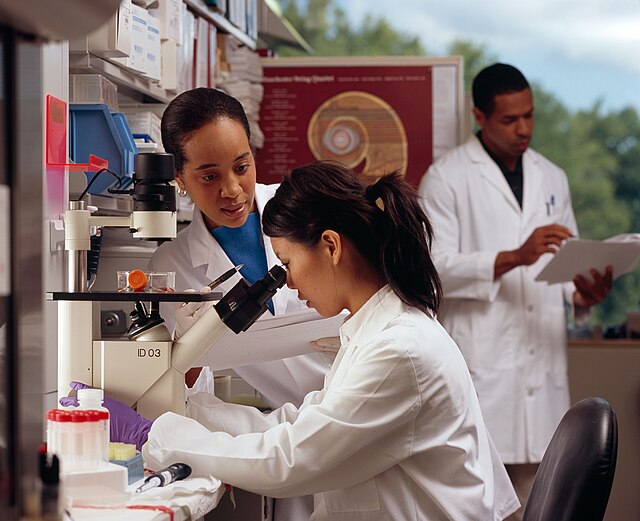
To produce the mixture, scientists used a technique called ultrasound-assisted extraction.
This method involves placing a probe into a container holding honey and cocoa shells. The probe emits sound waves that create microscopic bubbles in the mixture.
When the bubbles collapse, they release energy that breaks down the plant material, allowing compounds from the cocoa shells to dissolve into the honey more efficiently.
Researchers consider this approach environmentally friendly because it is faster and requires fewer chemical solvents than traditional extraction methods.
The team also evaluated the sustainability of the process using Path2Green software, which measures how closely a method follows the principles of green chemistry.
The scientists tested honey from five Brazilian stingless bee species: borá, jataí, mandaçaia, mandaguari and moça-branca.
Honey from native bees was chosen because it generally contains more water and has lower viscosity than honey produced by European honeybees, making it more effective for this type of extraction process.
Beyond food applications, the product could also be used in cosmetics or specialty culinary products. Researchers say the technique could help small businesses or cooperatives that already work with cocoa and native bee honey create new value-added products.
The research team is currently working with Inova Unicamp, the university’s innovation agency, to find companies interested in licensing the patented process and bringing the product to the market.
Future studies will also examine how an ultrasound affects microorganisms in honey.
Scientists believe the process could potentially reduce bacteria and increase the product’s stability and shelf life. If successful, the innovation could open the door for new ways to reuse agricultural byproducts while creating sustainable and functional food ingredients.