

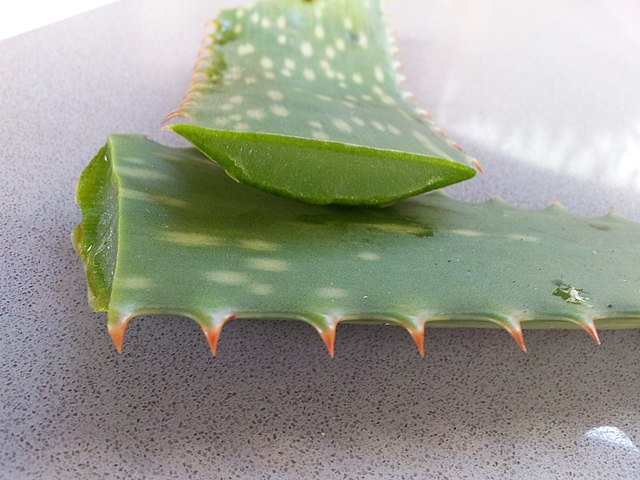
New research suggests that compounds found in the common household plant, aloe vera, could play a role in future treatments for Alzheimer’s disease. A recent study examined natural chemicals in the plant and how they might interact with biological processes linked to memory loss and cognitive decline.
Scientists concentrated on two enzymes, acetylcholinesterase and butyrylcholinesterase, which break down acetylcholine. This chemical messenger allows nerve cells in the brain to communicate. In people with Alzheimer’s disease, acetylcholine levels are reduced and excessive breakdown of the chemical can further weaken communication between brain cells.
To better understand these interactions, researchers used computer based molecular modeling to observe how aloe vera compounds attach to the enzymes. One compound, beta sitosterol, showed a strong ability to bind to both enzymes. This interaction suggests it may help slow the breakdown of acetylcholine.
Additional analysis explored how these compounds might function as potential medications. Researchers examined factors such as how easily the compounds could be absorbed by the body and whether they might produce harmful side effects.
Several aloe-derived compounds showed characteristics that could make them candidates for future drug development.
Despite the promising findings, the research remains in the early stages.
The study relied mainly on computer simulations, so further laboratory studies and human clinical trials would be required before any treatment could be developed.
The results nonetheless highlight growing interest in plant-based compounds as possible sources of new therapies for Alzheimer’s disease and other neurodegenerative conditions.