

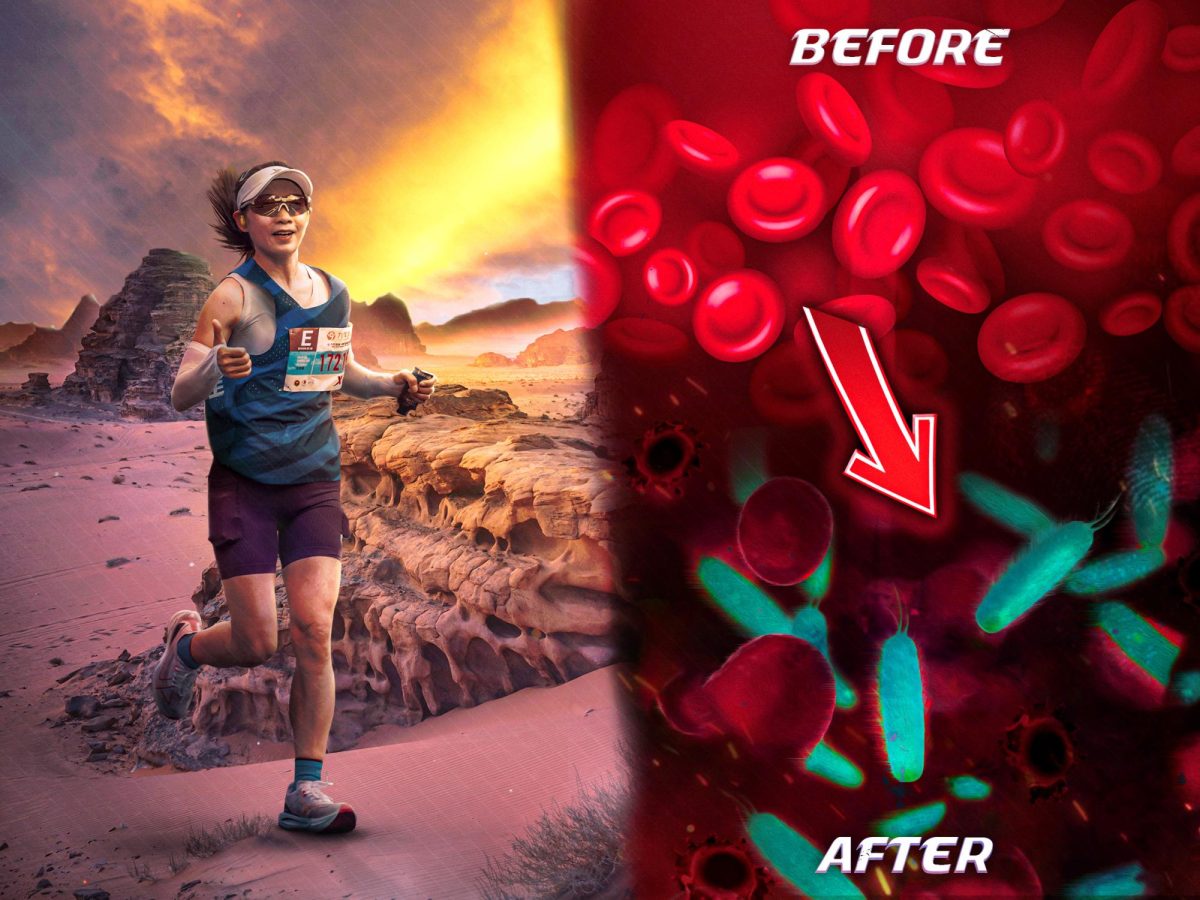
Scientists discovered that running long distances can not only harm muscles and bones, but also cause damage to your red blood cells.
RBCs are essential for proper organ and muscle function due to their role in transporting oxygen and removing carbon dioxide. This becomes especially critical during rigorous physical activity like a workout.
RBCs must be highly flexible to navigate through large arteries and small valves called capillaries.
Recent studies show that RBCs have been shown to suffer damage from ultramarathons.
The researchers studied 23 endurance runners, with blood samples taken before and after two races: a 40-kilometer trail race and a 171-kilometer ultramarathon.
The blood samples were used to analyze changes in proteins, lipids, metabolites and other elements within RBCs.
The researchers found signs of reduced flexibility, accelerated aging and breakdown, with the 171-kilometer race producing noticeably greater symptoms. They believe this happens due to inflammation in the body and oxidative stress.
Inflammation causes blood vessels to shrink, making it more difficult for RBCs to pass through. This can cause physical stress, which hinders their ability to bend and be flexible.
Oxidative stress, on the other hand, causes cells to have insufficient antioxidants, leading to cell and tissue damage.
Besides the fact that there is clear evidence of damage after the races, researchers are unable to determine the longevity of the damage.
Although long-term effects are unknown, there may be potential risks to long-term health, like exercise-related anemia and an acceleration of RBC loss.
Researchers say more studies must be conducted to determine whether the cells can recover from the damage and if so, how long it would take. The team also hopes to gain insight into the nature of RBC’s aging and methods for improving blood storage techniques.