
Nearly 200 years after Charles Darwin collected specimens during his famous HMS Beagle voyage, scientists have found a way to study them without opening the jars that preserve them.
Researchers recently examined many historic specimens stored at the Natural History Museum in London using a laser-based technique that can analyze the contents of sealed containers. The breakthrough allows scientists to study fragile samples without risking damage to the specimens or the preservation fluids inside.
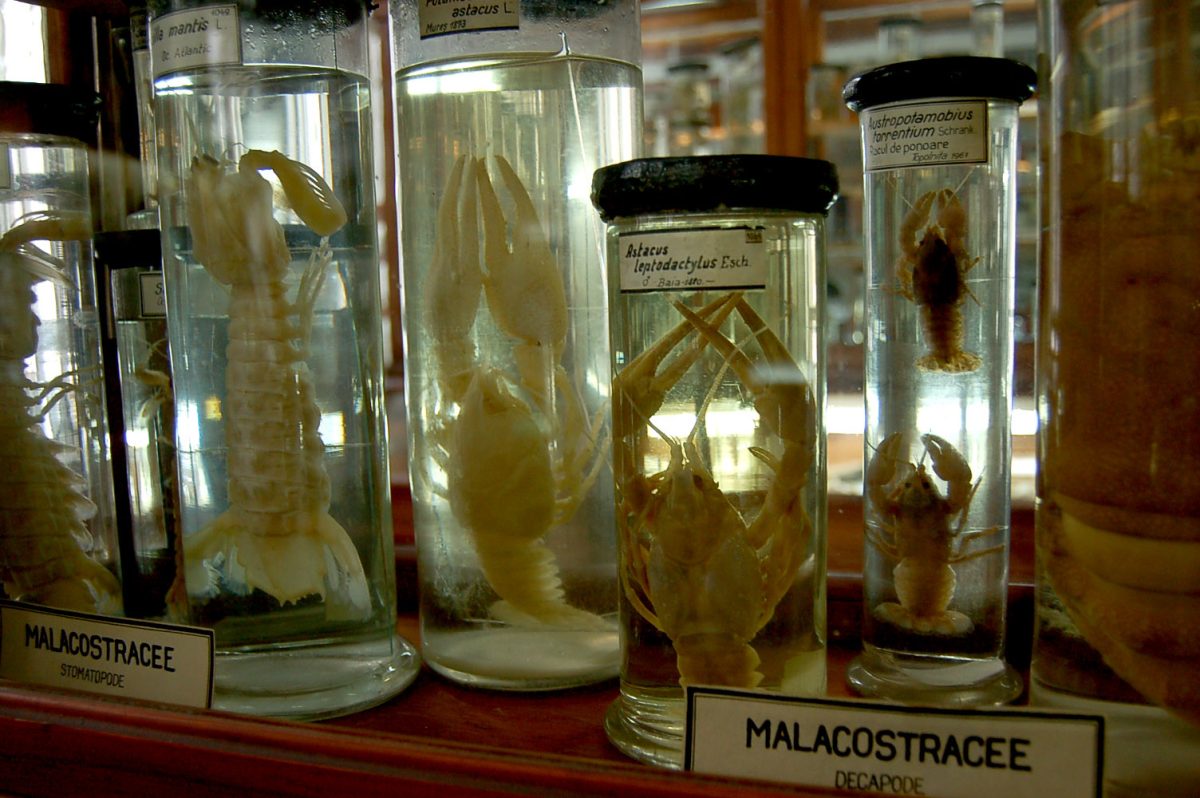
The research focused on 46 specimens collected during early scientific expeditions, including animals gathered during Darwin’s trip to the Galápagos Islands between 1831 and 1836. The collection includes mammals, reptiles, fish, jellyfish and shrimp that have been preserved in jars for nearly two centuries.
Scientists typically open specimen jars to identify the chemicals used to preserve them. However, opening the containers can cause evaporation, contamination or other damages. Over time, these risks can threaten the long-term survival of rare historical samples.
To solve this problem, researchers used a method called Spatially Offset Raman Spectroscopy. The technique works by shining a laser through the glass of the jar and analyzing how the light changes when it reflects. These changes reveal the chemical signature of the liquid inside the container.
Using this method, researchers were able to identify the preservation fluids in about 80% of the jars they tested. In another 15% of cases, the technique provided partial identification.
The study also revealed how preservation practices changed over time. For example, mammals and reptiles were often treated with formalin before being stored in ethanol.
Invertebrates such as jellyfish and shrimp were preserved using a wider range of liquids, sometimes including additives like glycerol.
Sara Mosca, a researcher at the Science and Technology Facilities Council’s Central Laser Facility, said the technique offers a safer way to monitor historic collections.
“Until now, understanding what preservation fluid is in each jar meant opening them, which risks evaporation, contamination, and exposing specimens to environmental damage,” Mosca said.
Museums around the world hold more than 100 million specimens preserved in liquid. For curators, knowing exactly what chemicals are inside each jar is important for maintaining the condition of these collections.
The ability to analyze preservation fluids without opening containers could help museums track changes in specimen storage over time and intervene before damage occurs.
Researchers say the method may transform how natural history collections are studied and preserved. By using non-invasive tools such as SORS, scientists can continue learning from specimens collected centuries ago while keeping them protected for future researchers.