

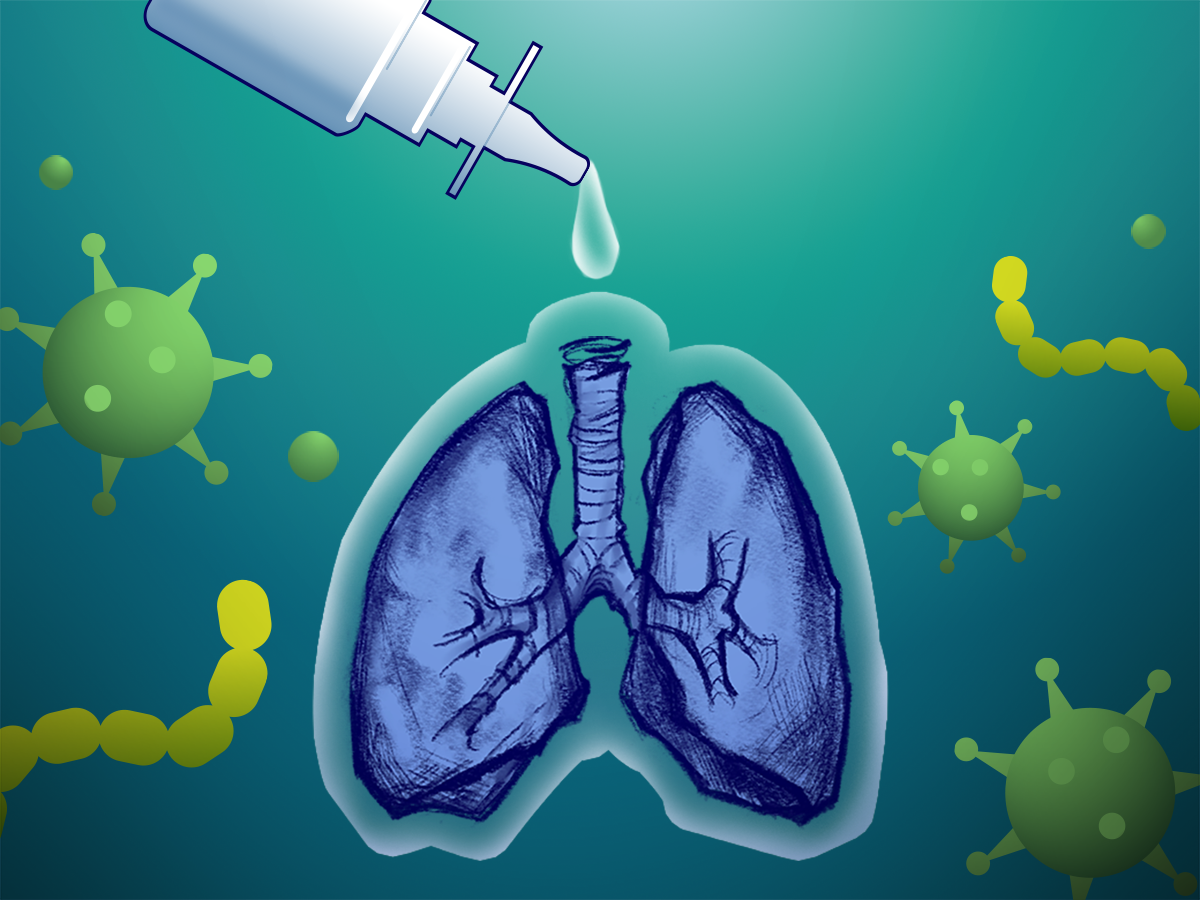
Researchers at Stanford Medicine have introduced an unexpected twist that could change the rules of medicine. They have developed a single nasal spray that does not just target one virus but fortifies the lungs against a wide range of respiratory threats simultaneously.
Current vaccines are designed to train the immune system to fight a single, specific infection. This new approach, however, represents a fundamental shift from being pathogen-specific to being immune-system-centric.
Instead of teaching the body to recognize a specific piece of a virus, the spray uses a compound to mimic communication signals or cytokines that immune cells naturally exchange during an infection. This reprograms the innate immune cells in the respiratory tract to stay in a state of high alert, effectively turning the lungs into a fortress against almost any invader.
The versatility of this discovery is significant because while most vaccines are limited to one type of threat, this spray successfully protected mice against various pathogens, including COVID-19 and seasonal influenza.
It also shielded against bacteria like those causing pneumonia and even successfully blocked allergic reactions to common house dust mites. By focusing on the first responders of the immune system rather than specific viral proteins, the spray provides a broad shield that remains effective even if a virus mutates.
By supercharging these first responders, the vaccine provides what researchers call a double whammy. In tests, vaccinated mice had viral levels in their lungs that were 700 times lower than unvaccinated mice that were almost immediately upon exposure.
The spray also helps the adaptive immune system move faster. While it usually takes two weeks to build a defense, this primed system responded in just three days.
This coordinated defense remained effective in animals for at least three months.
This spray is currently in the animal-testing phase and its benefits are significant. Bali Pulendran, a senior author of the study, suggested that if human clinical trials are successful, this universal respiratory vaccine could transform medical practice within the next five to seven years.
A single seasonal spray could replace the need for multiple annual shots, simplify healthcare logistics and provide a broader shield against future pandemics.