
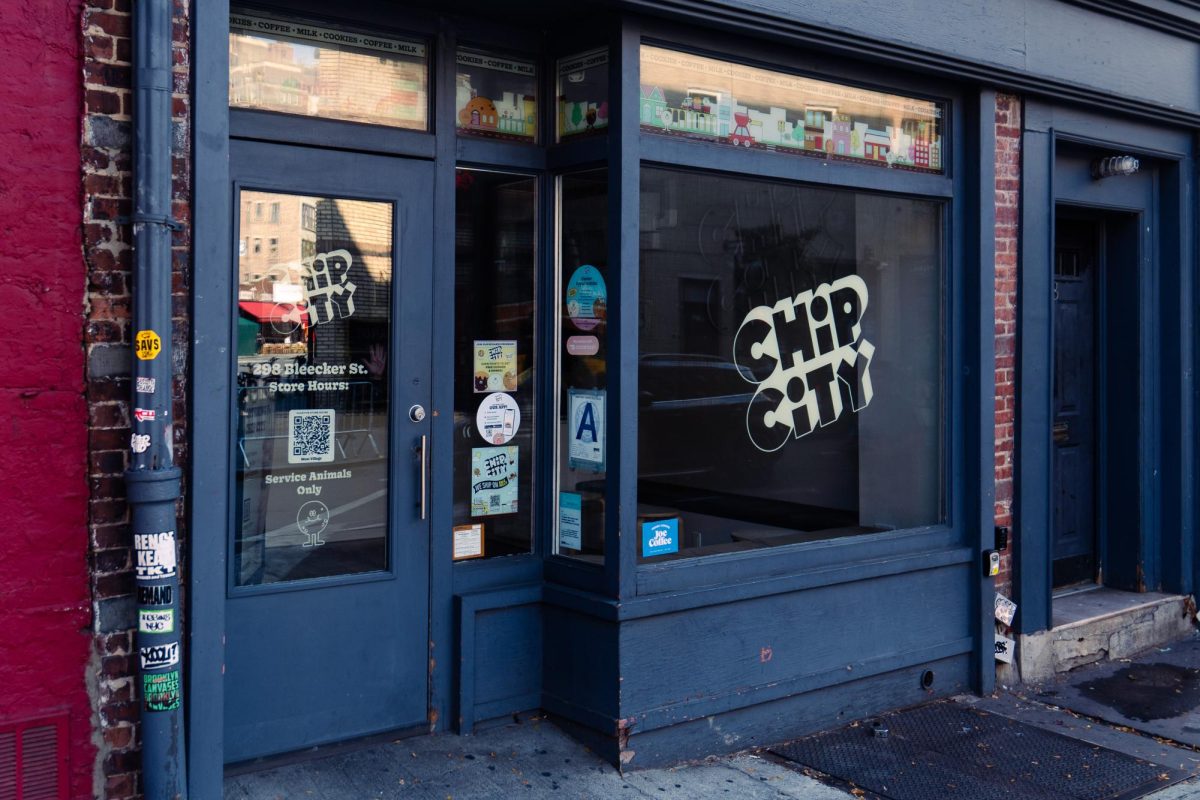
Chip City Corp., a cookie chain established in Astoria, Queens in 2017, closed roughly 20 remaining locations across the country in early October citing “significant macro-economic headwinds.”
Before doors closed, Chip City rapidly expanded to 45 locations at its peak across the United States. The company was backed by Enlightened Hospitality Investments, which invested $10 million in 2022 to support a rapid expansion. This investment was followed by an additional $7.5 million in 2024.
Chip City is not the only store struggling with declining consumer spending. Close competitor Crumbl has closed 57 stores in 2026 alone and store traffic fell more than 32% year over year.
According to an email written by Chip City President Nicolas Baizan: “Consumers are spending less and their preferences are evolving and that has negatively impacted our sales. We made extensive efforts to address these challenges over the course of this year in partnership with our Board and investors. Unfortunately, we no longer have the funding required to operate this business.”
Although macroeconomic pressures likely contributed to Chip City’s demise, a Sept. 28 lawsuit filed by Founder Peter Phillips which alleged unpaid compensation could have also played a role in the shutdown.
After the equity recapitalization on March 2, Phillips claimed the company was to guarantee a $157,500 compensation plan and full family healthcare over a nine-month period. In exchange, the founder agreed to a part-time position as a consultant for Chip City.
However, this deal was breached by executive management according to Phillips. The company refused to resume payments without him transferring ownership of the four Chip City web domains and five active small business administration loans worth over $640,000, which he kept even after his shares were diluted in the company by Enlightened Hospitality Investments.
Additional financing to keep Chip City running was likely difficult due to heated disputes between the original founder and the company’s new management.
In a letter, the company’s interim CEO Fred LeFranc sought explanation about Phillips’ use of Chip City funds to cover costs associated with his own external restaurant ventures.
Furthermore, the lawsuit defendants threatened Phillips regarding a total of over $900,000 in company expenses. These included overpaying for rent on property owned by one of his family members, $443,000 in expenses to a construction company he is affiliated with and for his own personal business.
The closing of the cookie chain was abrupt. The company’s social media account was actively promoting a new flavor the day before the permanent shutdown, encouraging customers to come in the next day.
Ariel Fybush, who was recently hired by Chip City in September was reportedly terminated before being placed on her first shift, told the Gothamist, “Kind of absurd, they already had not been the most organized…” She continued, “I should’ve taken those more seriously as red flags… just kind of a waste of time.”
For active Chip City employees who got caught in the crossfire, compensation is expected until Oct. 18, according to an internal company message. Overall, Chip City’s nationwide store closure illustrates the demise of a chain that began its roots as a small business in Astoria, Queens.
For business students, the fall of Chip City shows how macroeconomic headwinds and lawsuits can quickly spiral out of control, leaving customers and employees hanging in the dark.