
Since 2023, the number of deed theft complaints submitted to the New York Attorney General’s Office has increased from 149 to 517 in 2025, representing an estimated 240% increase over just two years. However, convictions remain rare, and the sentencing of fraudster Joseph Makhani to seven to 21 years of prison by the Manhattan Supreme Court made national news.
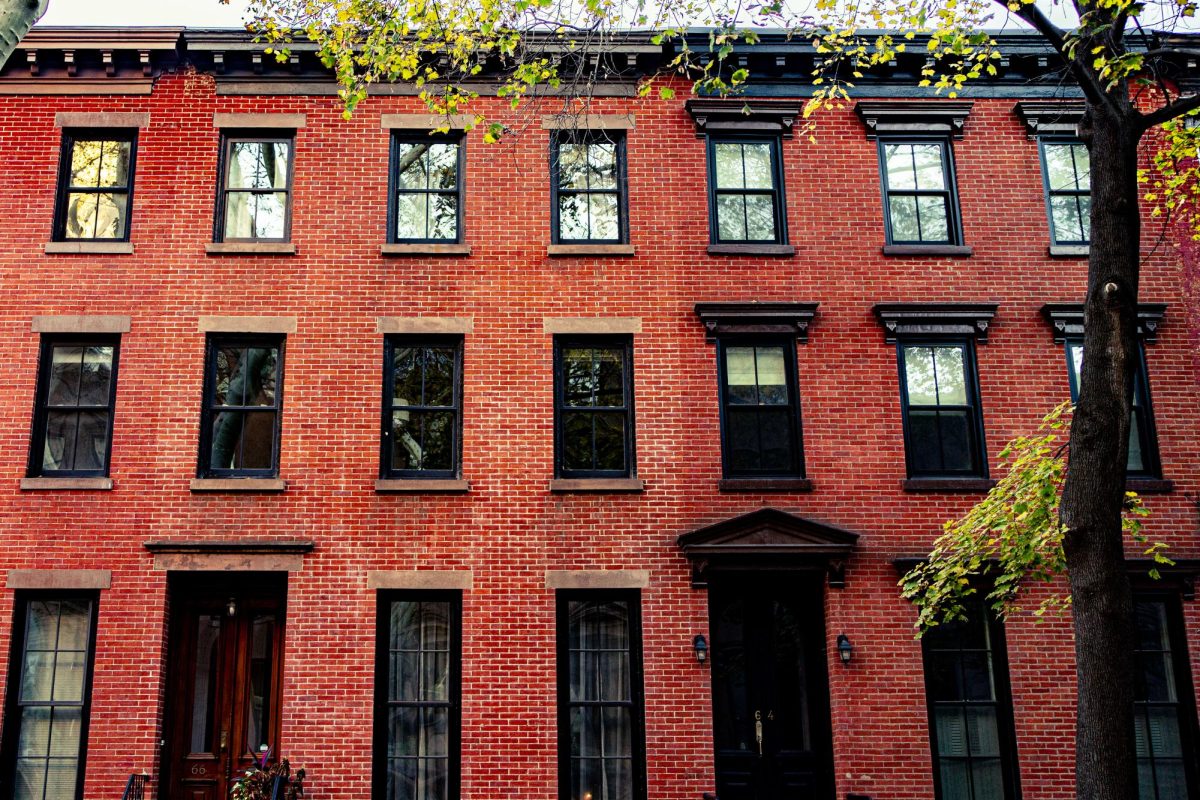
Through fraud, Makhani illegally acquired two Harlem brownstones on 113th Street and 118th Street. Attorney General Letitia James said that the defendant “maliciously targeted an elderly homeowner and shamelessly attempted to evict long-time tenants in a heartless scheme to steal two homes.”
Deed theft is the crime of illegally transferring ownership of a real estate property without the owner’s knowledge or consent.
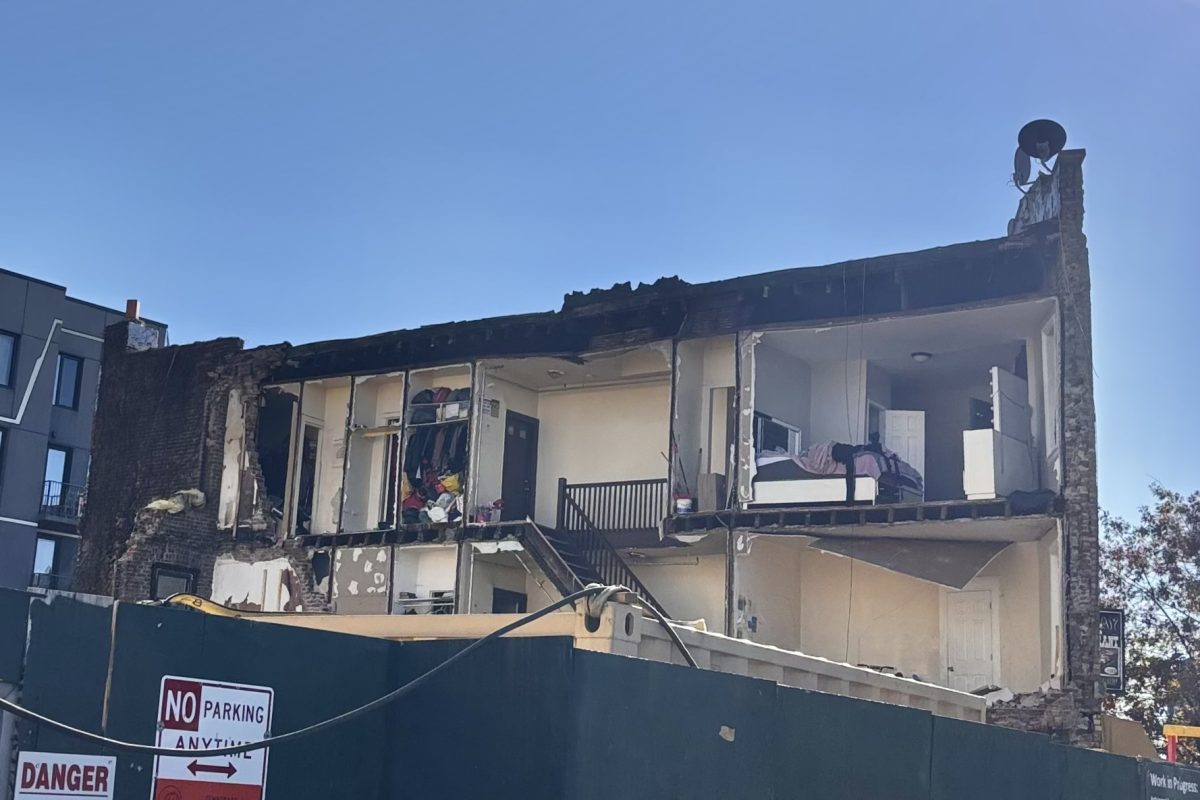
On 107 W. 118th St., the brownstone that was stolen by Makhani belonged to 82-year-old Veronica Palmer, who has consequently been left unhoused. Makhani stole this property by transferring the title to a shell corporation under his ownership called “West 35 Corp.”
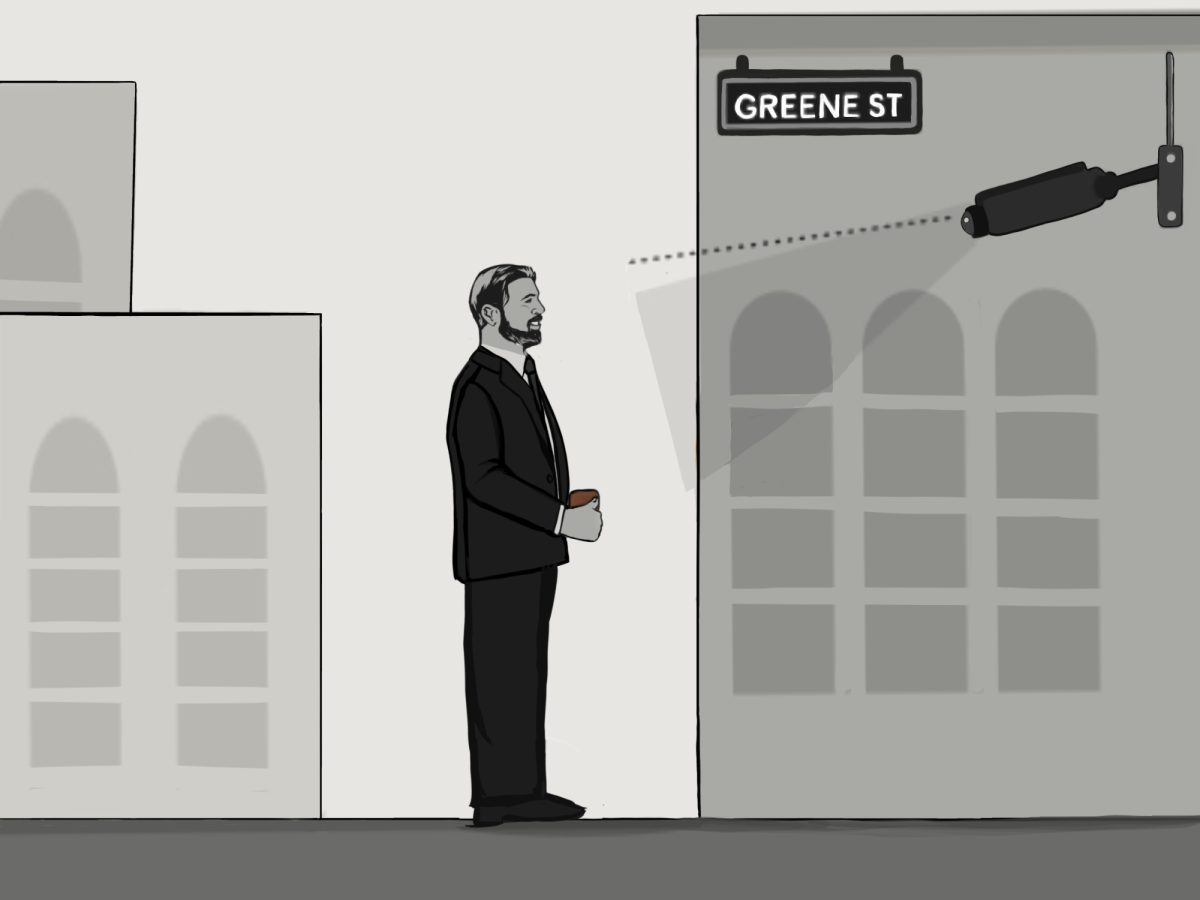
On New York real estate filings, he then proceeded to claim that the brownstone had been purchased for just $10.
On 135 W. 113th St., Makhani stole the property by pretending to offer the tenant a job and then using the tenant’s signature to transfer ownership. Makhani later attempted to evict the tenants by filing a lawsuit on behalf of another shell company One 35 West Corp.
After committing these frauds, Makhani took out a long-term $1.2 million mortgage followed by a $650,000 renovation loan and converted the property into rental units. The combined net income of the rental units was estimated at $12,000 per month. These actions eventually led to Palmer’s eviction and her ultimate move to a local homeless shelter. Despite the value of her home being estimated at around $2.9 million, she received none of Makhani’s profits.
Between 2019 and 2023, deed theft caused approximately $1.3 billion in losses to victims nationwide.
Weak verification requirements can lead vulnerable homeowners to become victims; verifying clerks often function more for record-keeping than fraud investigation.
The most vulnerable groups in New York City are often residents of the outer boroughs like Queens and Brooklyn. They include seniors and immigrants who are often unaware that their brownstone properties are now worth millions.
New York City Council members raised concerns earlier this year about the rising rate of deed theft and its disproportionate impact on Black and Brown homeowners. While thousands of complaints move through the courts, families are still forced out of their homes because of unjust evictions.
Council Member Chi Ossé has called for executive enforcement authority, using the means of the COVID-19 conviction moratorium era.
The usage of state laws such as section 756-A of the Real Property Actions and Proceedings Law and Section 2201 of the Civil Practice Law and Rules, for example, permit homeowners to reside in their homes until their cases have reached a conclusion.
On April 24, Mayor Zohran Mamdani established the Office of Deed Theft Prevention and appointed Peter White, a public interest attorney, to be its director.