
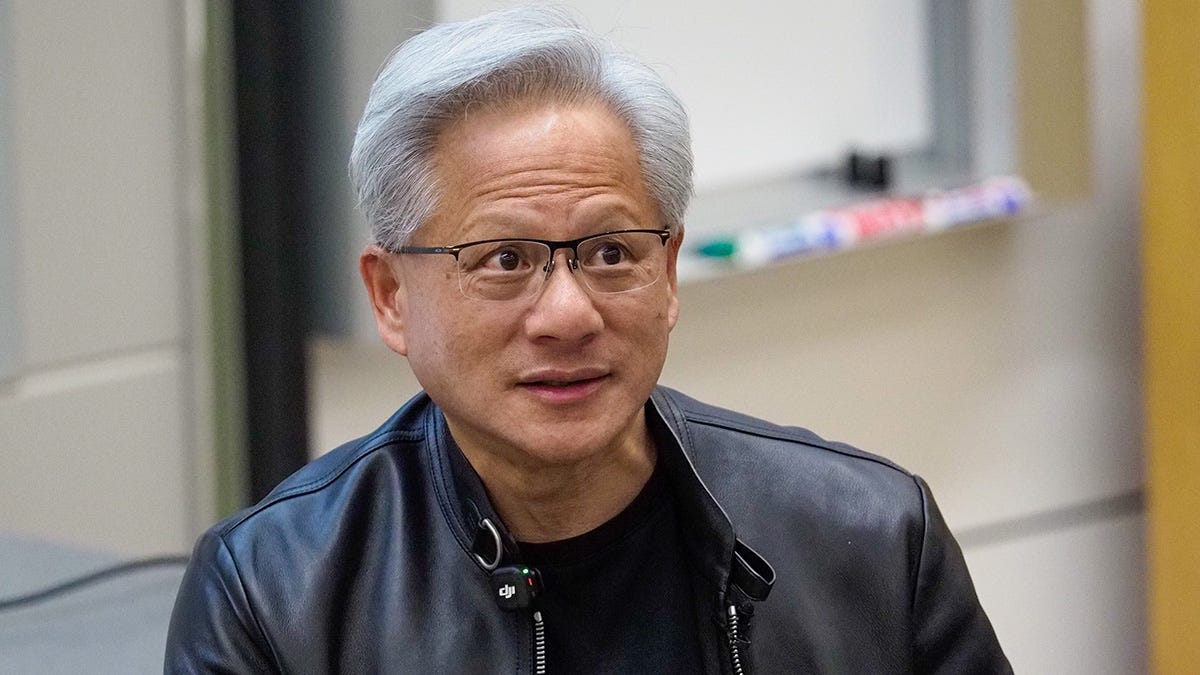
Jensen Huang resigned as Nvidia’s CEO after 33 years of building the company whose chips power the artificial intelligence industry. Huang co-founded Nvidia in 1993 to make graphics chips for video games and has been the company’s only CEO.
In a filing, Nvidia announced that Huang stepped down as CEO, president and board member effective immediately. Chief Financial Officer Colette Kress will serve as interim CEO while keeping her finance role until the board names a permanent successor.
The board said it will consider both internal and external candidates.
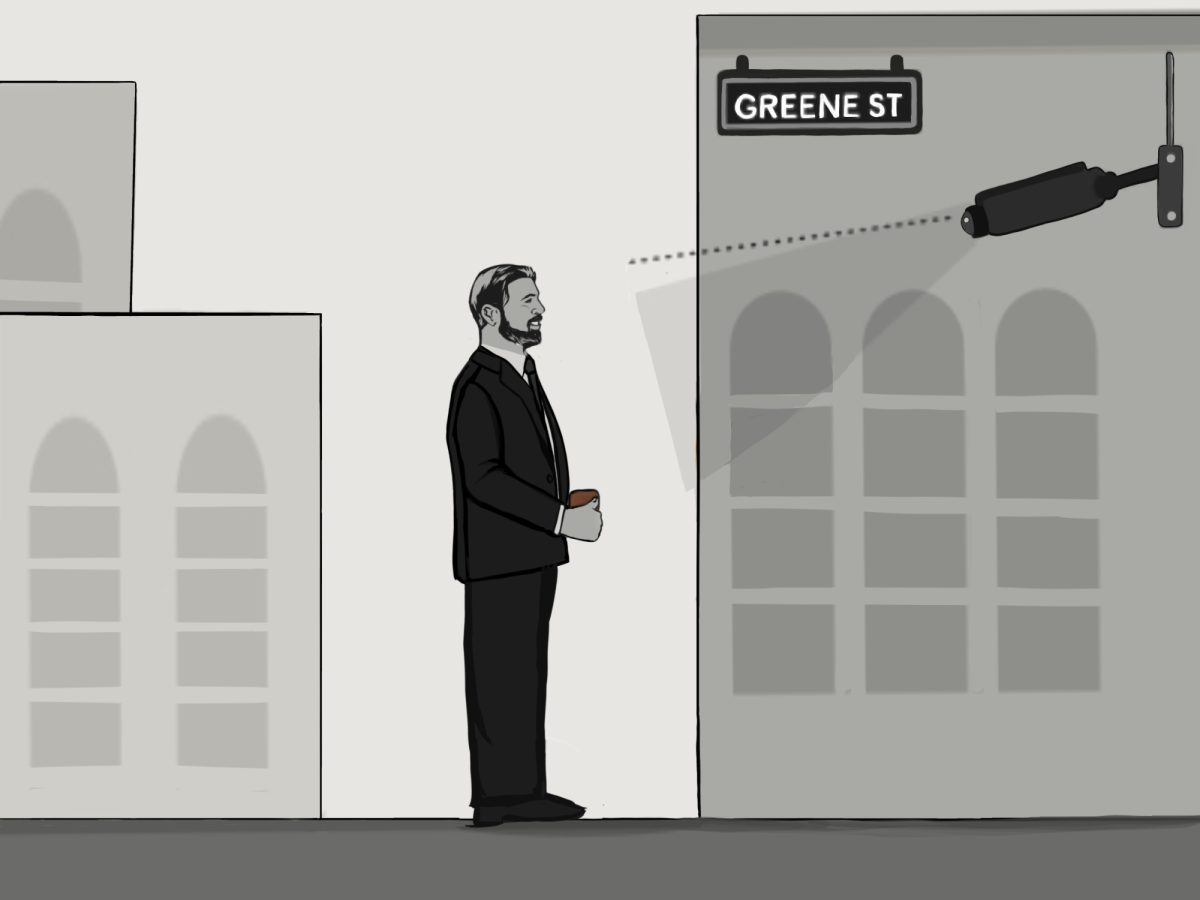
The exit came after Huang admitted to an affair with a woman described as a Chinese spy. Nvidia shares fell more than 5% on Nov. 9, the first trading day after his admission. The board responded by opening an investigation into his misconduct. Pressure on Huang intensified as reports emerged of additional relationships with Nvidia employees.
Nvidia’s board voted to remove Huang the night before the announcement, an anonymous source said. Two days earlier, President Donald Trump had called Huang and reportedly encouraged him to stay as CEO.
Kress has been Nvidia’s CFO since 2013 and spent nearly 25 years in finance roles at Cisco Systems Inc. and Microsoft Corp. before joining the company.
“I am committed to building on the extraordinary foundation Jensen created over the last 33 years,” Kress said in a statement. The board also named Harvey Jones as its first-ever chair. Jones said the board has “full confidence” in Kress and expects operations and the product roadmap to continue without interruption.
Wall Street has been bracing for a leadership shakeup for weeks. Nvidia’s market capitalization hit a record of about $5.78 trillion on Oct. 6. By Nov. 10, the company had lost about $1.7 trillion of that value, a roughly 30% drop. However, this drop reaches well beyond Nvidia shareholders. The company makes up nearly 7% of the S&P 500’s total value, and its stock swung the retirement accounts and index funds of millions of Americans.
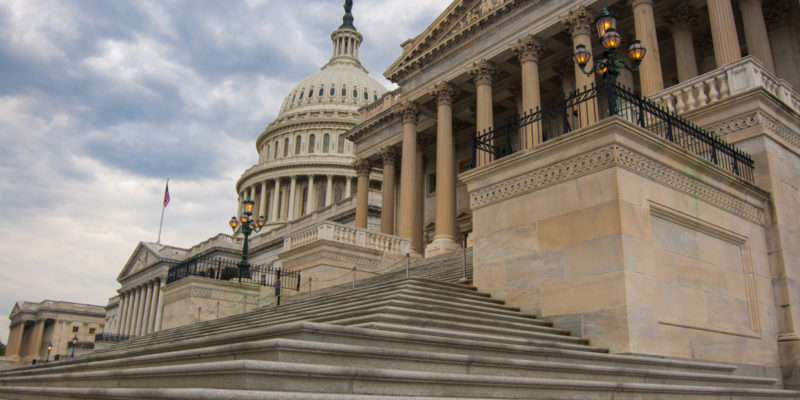
Congress is involved now too. Three House committees summoned Huang to answer questions in a private interview on Dec. 1.
Senate Banking Committee Chairman Tim Scott also asked Huang and Commerce Secretary Howard Lutnick to appear before his committee in December.
Lawmakers are focused on national security. The U.S. limits which Nvidia chips can be sold to China through export controls to prevent the country from accessing the most advanced AI technology.
Despite the scandal, some in the tech industry want Huang back. An online petition called “Stand with Jensen” which asks for his return has drawn nearly 180,000 signatures.
Tesla Inc. CEO Elon Musk, Y Combinator CEO Garry Tan and Epic Games CEO Tim Sweeney are among itssupporters. Huang has also reportedly spoken with people close to him about returning. But the board is not considering bringing him back, an unnamed source said, and will continue its independent investigation into Huang’s misconduct.
Nvidia reported third-quarter revenue of $115.8 billion on Nov. 17. Analysts had expected $109.1 billion. Shares increased 2.3% after the market closed.