
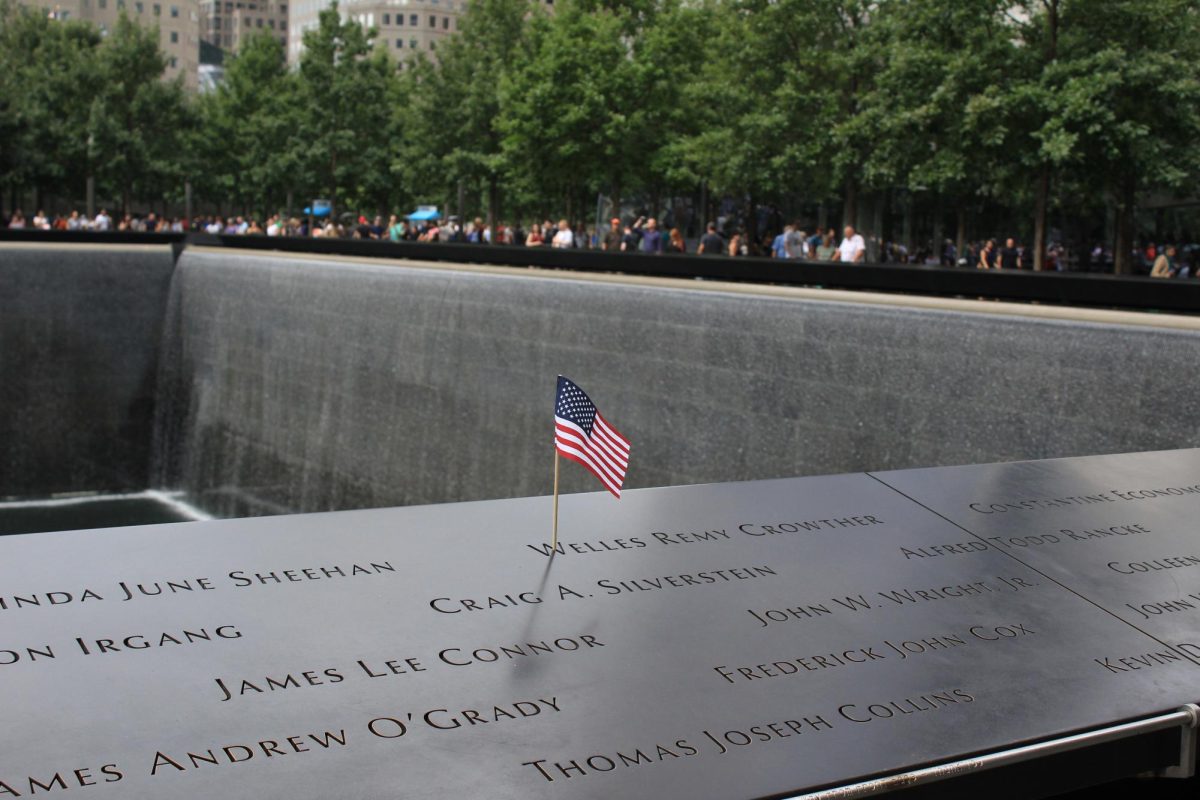
The New York City Council’s investment for the expansion of the 9/11 Memorial & Museum student programming is necessary.
New York City Council members gathered at ground zero on Sept. 3 to announce a $1 million investment in how future generations will learn about the 9/11 terror attacks.
The funding will provide free museum visits for all 20,000 NYC public school eighth graders, with approximately 75% of the funding dedicated to those visits. Removing the finances means that students from all schools should be able to experience the museum. Access to learning about the attacks should not depend on a school’s budget.
According to CBS News, the investment will pay for field trips for city students with a focus on eighth graders. It will also provide virtual trips, cover professional development for teachers and support other programs.
As the attacks become more distant for younger generations, preserving the history of 9/11 should not be optional. Every student deserves the opportunity to understand what happened and why it still matters.
Beth Hillman, the president and CEO of the 9/11 Memorial & Museum, said 100 million
Americans weren’t born during 9/11 or are too young to remember the tragedy. For students, 9/11 is not something they experienced but is history that must be taught.
Without strong educational programs, 9/11 could eventually become nothing more than a date or a topic discussed once every September.
The museum experience provides an experience a classroom lesson or word of mouth cannot. Teacher Vaughan Danvers told CBS News, “It transforms a lesson into a lifetime memory. I still hear from former students who remember the trip vividly.”
“Let me tell you, nothing, nothing compares to seeing a student’s face when they stand in that space. It’s not just history to them anymore. It becomes real. It becomes human,” she added.
“I didn’t think I would learn a lot since we are taught about 9/11 in class in elementary and middle school,” a high school student who visited the museum for a class, told The Ticker in an interview. “It feels different seeing the history than hearing about it.”
“What stood out to me the most were the different accounts of those who were in the building during the attack as well as the first responders,” she continued. “If I could go back, I would want to learn and explore each exhibit more because there was just so much to cover in such a short amount of time.”
Danvers also said that bringing the digital museum would bring the same experience to kids in other states.