
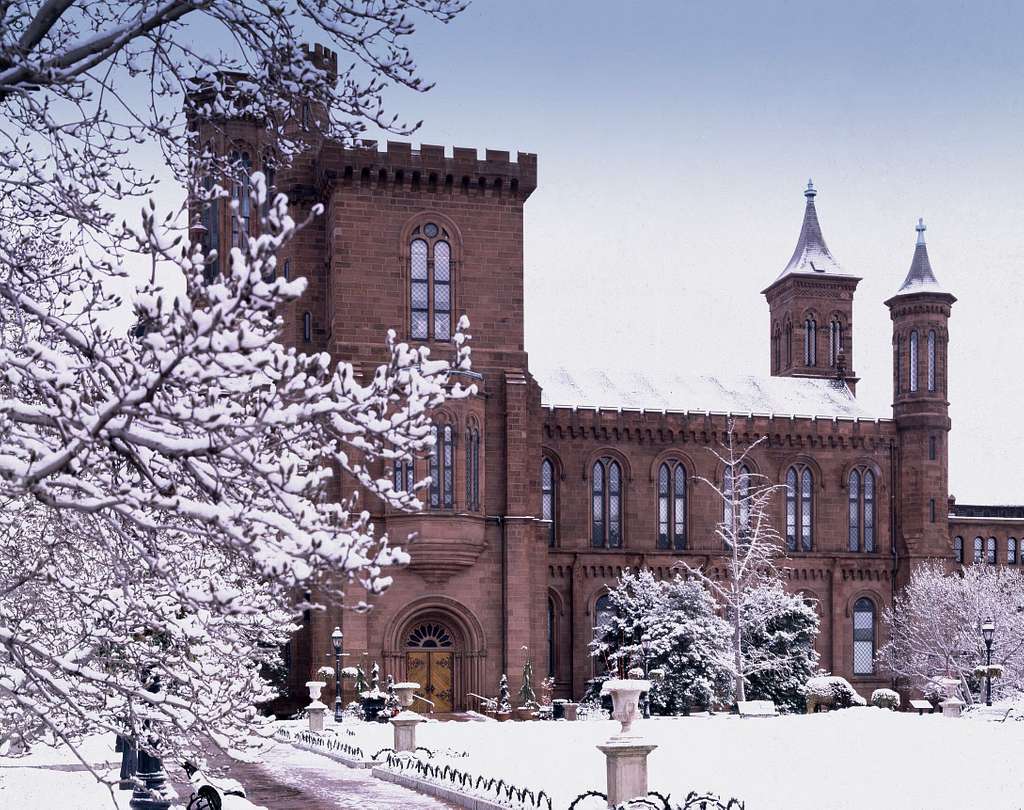
Lonnie Bunch, who has served as secretary of the Smithsonian Institution since 2019, announced he will retire at year’s end on Sept.8. His departure comes amid escalating conflict between the Smithsonian and the Trump administration, which recently issued a White House report accusing the institution’s leadership of promoting “anti-White activism,” “illegal alien activism” and “transgender activism,” claiming it to be a portrait of a hub of radical advocacy, not a center of scholarship.
Whether that pressure influenced Bunch’s decision to retire is unclear. What matters is what the administration’s demands would mean for the institution’s work.
The Smithsonian’s mission is to “increase and diffuse knowledge.” That mission depends on the ability to study American history as it actually happened. Slavery, segregation and the displacement of Native Americans are part of that history.
So are the achievements Americans rightly take pride in. A museum that presents only one side of the past is failing at its most basic responsibility. If those subjects count as “extreme political activism,” one must wonder what this administration considers acceptable historical inquiry.
The past is full of contradictions. The same country that proclaimed equality held millions of people in slavery. The same government that called itself a democracy dispossessed Native Americans of their land.
These aren’t arguments historians invented. They’re facts that historians like Bunch have spent their careers documenting. Acknowledging those facts doesn’t require hostility toward the country. It requires taking the country seriously enough to understand its past. Patriotism that depends on ignoring historical failures is fragile.
Historical scholarship works by testing claims against documents, records and physical evidence, then revising them as the evidence changes. It isn’t settled by whether a sitting president finds the results flattering.
Trump has repeatedly dismissed historical interpretations that conflict with his preferred version of the past, labeling them “woke” without further clarification.
The Smithsonian is federally funded, and public debate over its exhibits is legitimate. Congress and the administration have real reasons to ask how it spends money and develops exhibits, and those questions deserve answers.
But there’s a difference between arguing with an interpretation and demanding that curators reach conclusions approved in advance.
Scholarship can’t function if political officials get to decide which facts are acceptable. If that’s the standard, the Smithsonian would act as Trump’s propaganda arm.
Bunch’s career is a reminder of what the job is supposed to look like. He earned his bachelor’s, master’s and doctoral degrees from American University before spending his career in museums, education and research, building the National Museum of African American History and Culture from the ground up.
Bunch’s retirement leaves an open question on whether the Smithsonian’s curators will keep following the evidence or start bending to whichever version of American history the White House prefers this year.
A democracy needs citizens who can examine the past without having their conclusions dictated to them.