
Since the coronavirus pandemic, the housing market in America has been in disarray. Prices soared in housing markets all over the nation as construction came to a halt, supply chains crashed and inflation hit the whole economy.
The market shows no signs of prices falling either, with the median home sale price in August 2026 being a staggering $429,000 according to the National Association of Realtors, the leading real estate trade association.
Mortgage rates have also remained high for years, with Freddie Mac, the government-sponsored mortgage giant, reporting the average rate on a 30-year mortgage is now 6.76%.
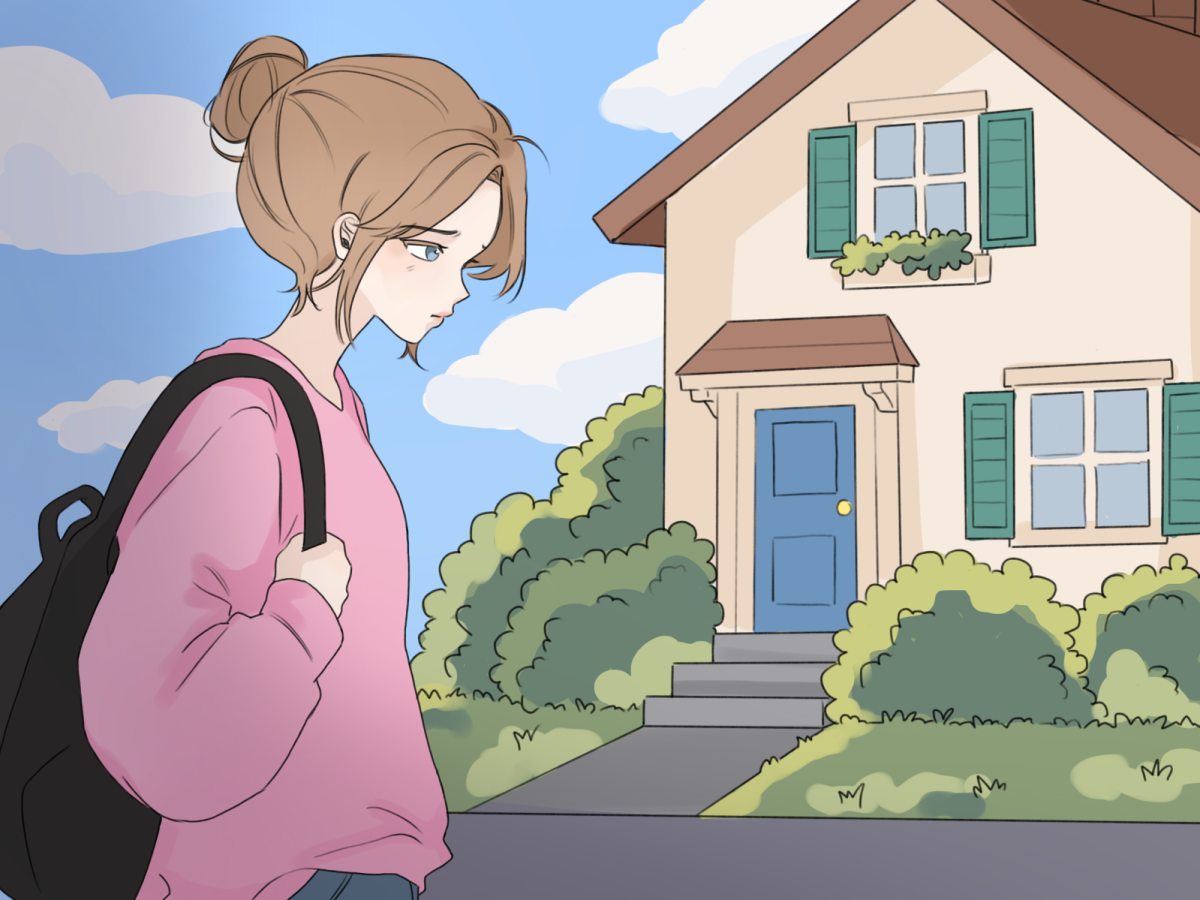
In the face of sky-high prices, many Americans who are shut out of the housing market have begun resting their hopes of homeownership on the possibility of a major crash in the market.
The theory goes that, like other times of sky-high housing costs, the cost of housing won’t stay so high forever, and that there will eventually be a correction where prices plummet, finally giving them the chance they need to enter the market.
Industry research reflects this hope, with a 2026 survey from the online lending marketplace LendingTree showing that nearly a third of Americans are rooting for a market crash.
While America’s desire for lower housing costs is understandable, a market crash is not likely to come to fruition. This is because the reasons for America’s high housing prices today are very different than they were before America’s other infamous housing crashes.
In the years leading up to the 2008 financial crisis, lenders loosened lending standards and lured borrowers in with low starter rates that would reset higher within a few years.
This credit boom pulled more buyers into the market and pushed prices to record highs, but the foundation was unstable. When the starter rates reset, many borrowers couldn’t afford their new payments, and mass foreclosures flooded the market with homes, causing prices to collapse.
Look at the housing market today, and the conditions are completely different. The new laws and regulations that came in the aftermath of the crisis have stopped most of thepractices that caused the crash from being repeated.
This means that today’s market does not reflect a credit boom, but a severe shortage of housing expressed through record-breaking prices.
Annual homebuilding rates in America dropped after 2008 and never recovered to their previous levels, meaning there’s been almost two decades of underbuilding. This has manifested in a shortage of over four million units according to analysis from realtor.com, a real estate company.
Despite this shortage of homes keeping prices high, market prices could still crash if the U.S. suffered a long and painful economic downturn.
But this would be a foolish thing for a young prospective homebuyer to wish for, since young workers disproportionately bear the brunt of layoffs and reduced hours that would destroy their ability to save up and buy a home in the first place.
America cannot simply wait around for the housing market to fix itself, but policymakers must do everything they can to help solve the shortage. Land-use reform is a popular change championed by housing activists.
Fixing the permitting process and skilled-worker shortages will also be essential. Regardless of what specific policies lawmakers choose, young Americans with dreams of home ownership should remember one thing: the market’s problems will not be solved with a housing bust, but with a housing boom.