
New York Gov. Kathy Hochul, New York City Mayor Zohran Mamdani and the Metropolitan Transportation Authority agreed to implement a Thermal Energy Network, or TEN, that transfers heat from the Brooklyn Bridge-City Hall 4, 5 and 6 train stations and the Chambers Street J and Z stations to nearby municipal buildings.
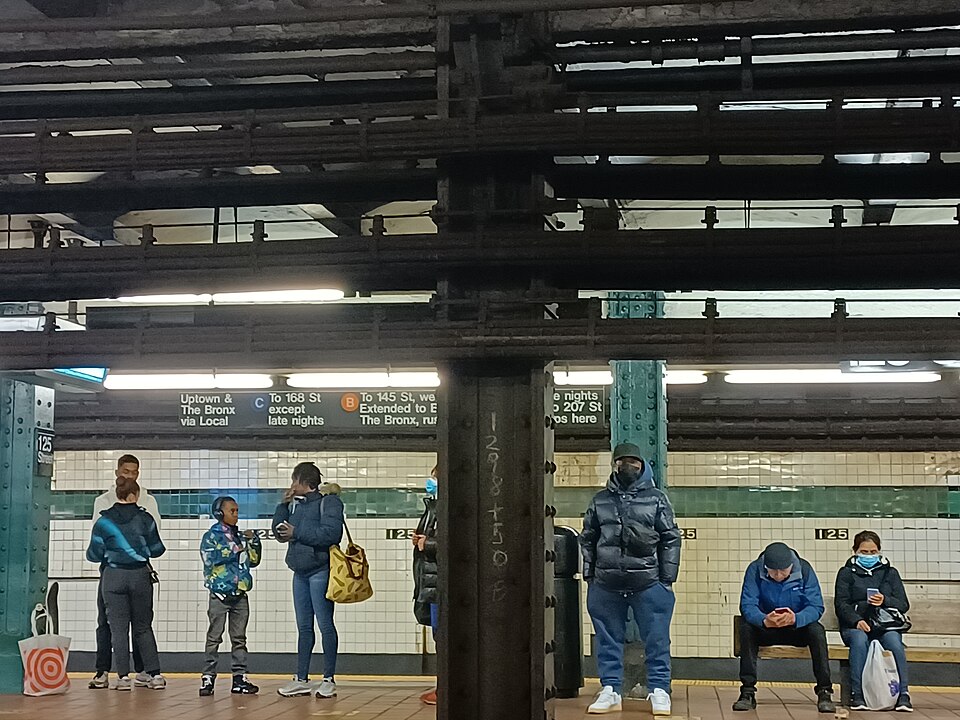
When the NYC subway system was built in 1904, there was no consideration for the current day heatwaves and high summer temperatures. With limited ventilation, the subway stations are comparable to sealed boxes with a space heater inside.
As trains approach platforms and slow down, the friction between the brake discs and pads convert kinetic energy into heat. That heat is released into the air, contributing to the high temperatures passengers experience underground.
City officials want to relieve passenger discomfort sustainably through a TEN project. State Senator Brian Kavanagh said, “Every summer, I hear from my constituents about how brutal the heat on subway platforms across my district and the City can be. As we face the growing dangers of climate change and prolonged extreme heat, exploring sustainable solutions to the high temperatures in our transit system is a critical task. I’m thrilled that the MTA is working to turn this harmful summer heat into a resource, joining SUNY campuses across the state and innovators across the world working with thermal energy networks to cut costs, provide effective heating and cooling, and reduce emissions.”
The plan is to capture heat from Brooklyn Bridge-City Hall and Chambers Street and use it as a source of warmth for municipal buildings during the winter.
By installing radiant cooling panels, heat will be drawn into bedrock. The bedrock can reach and maintain high temperatures for a long time because of how deep it is in the ground.
While the project would be the first TEN connected to a train system in the U.S., an $800,000 feasibility study is needed to determine if the project would be an efficient undertaking.
Yume Kitasei, commissioner of the New York City Department of Citywide Administrative Services, described the study as an “investigation of both sides of the equation — the actual mechanics of doing it, how big a lift that would be, and how much we would get out of it in terms of efficiency.”
While she admitted that it works in theory, Kitasei questioned “is it going to work efficiently enough that it’s worth the cost of doing this?”
If the study finds that the project is worth the costs, the city plans to move forward with the design in early 2027.
Testing will begin at Chambers Street because construction will not interfere with commuters since the station is abandoned. Officials also see an opportunity to revitalize one of NYC’s oldest stations.
Manhattan Borough President Brad Hoylman-Sigal described Chambers Street as “needing serious work.”