
During his 100 Day Address, New York City Mayor Zohran Mamdani announced an NYC Grocery Initiative to open five city-owned grocery stores. The first site of the grocery store initiative is La Marqueta in East Harlem. The city must now substantiate this promise with more details on how this goal will be achieved and who can benefit from it when the store opens in 2027.
La Marqueta is a 10-minute walk away for around 65,000 New Yorkers. 40% of the neighborhood’s residents have relied on government assistance or SNAP benefits within the last year. The grocery store will be constructed at an empty lot at the market and is estimated to cost $30 million. The initiative has a proposed budget of $70 million across the five stores.
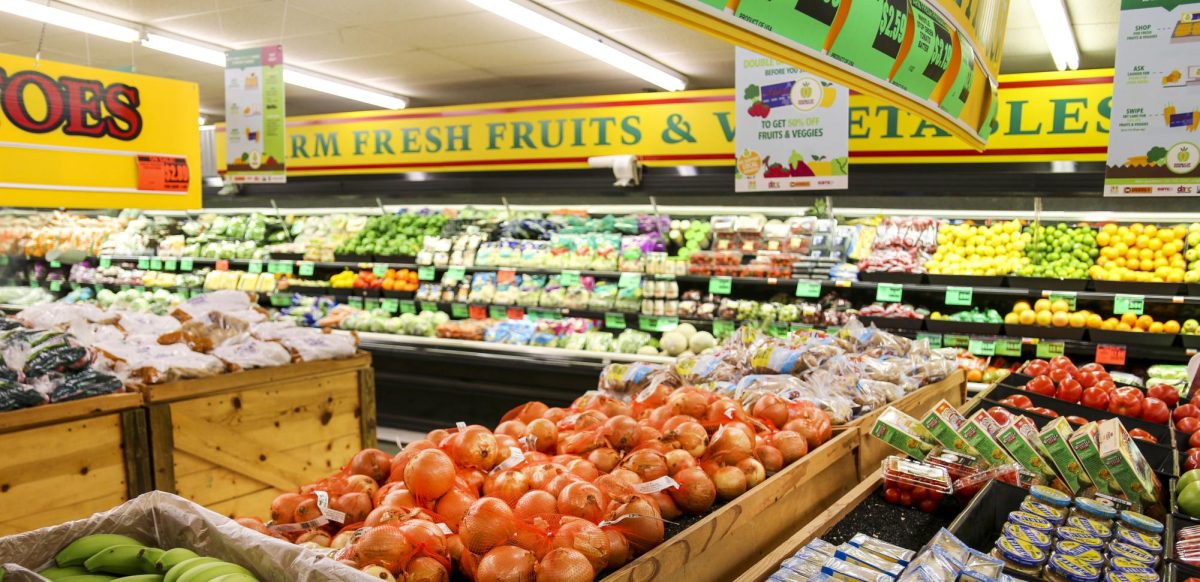
The grocery stores are expected to reduce operating costs by eliminating rent and property taxes, allowing the grocery items to be cheaper and more affordable for New Yorkers.
“The city will subsidize a core set of staples,” Mamdani said in his 100 Day Address. “A private operator will run the store, but they answer to the standards that the city will set.”
Many New Yorkers are excited for the lowered prices, saying that they are unable to afford groceries for their families even with public assistance. This comes as the city’s proposed fiscal budget for 2027 includes another budget cut for the Women, Infants, and Children Program.
Meanwhile, bodega and private grocery store owners are skeptical about the initiative due to an abundance of grocery stores and an increase in competition as smaller bodegas and delis struggle to keep up with pricing. It is predicted that traffic to the city-owned grocery stores will create longer wait times and overcrowding, making it more difficult for New Yorkers to buy groceries.
The city has not yet announced what grocery prices will look like at the stores, including how costs will be calculated and how much of a discount shoppers will receive at the city-owned grocery stores compared to other grocers.
The city must provide more information on how these stores will operate, who is eligible to shop and where the locations of the remaining stores will be. Ideally, the lowered prices of these grocery stores will benefit New Yorkers who cannot afford groceries elsewhere while reducing harm to the city’s small businesses.