

Welcome to In Tune with WBMB, a weekly column where a member of the station covers a new track from the underground. This week’s article is written by Victoria Zima.
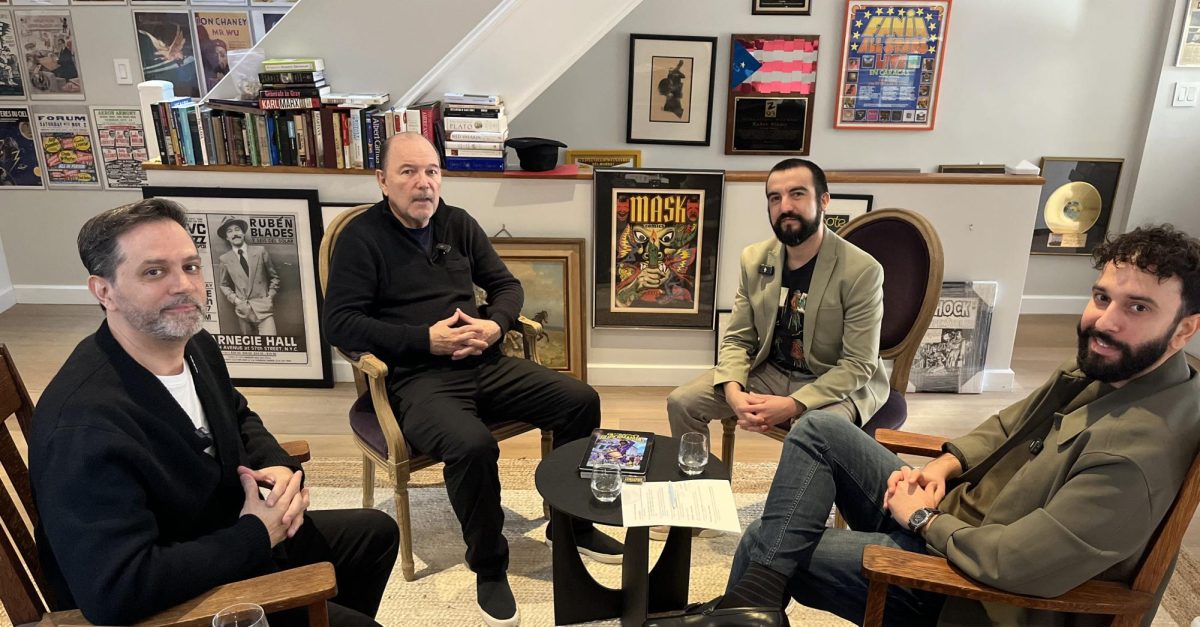
Spending his nights exploring one of the largest comic book collections in the U.S., Felipe Fournier never thought he would one day work with his salsa idol, Rubén Blades, helping him uphold the salsa movement in New York City that Blades spearheaded.
Costa Rican vibraphonist, producer and now artist of his first salsa comic book album “SuperMambo,” Fournier began his musical journey at 3 years old, learning piano from his father. He later studied at the Puerto Rico Conservatory of Music.
During his studies, he practiced his craft seriously while also soulfully playing in jam sessions during his off-hours. He recalled a night at a jam session when he witnessed the passionate playing of the flute by fellow musician Jeremy Bosch. That jam session marked the beginning of their bond over their shared love for salsa.

Together, they performed a live tribute album to Puerto Rican musician Cheo Feliciano at Lincoln Center in 2019.
“Especially when we live in such a polarizing world, the friendship that I have with Jeremy is a real treasure because although we have totally different viewpoints of the world, we learn to listen to each other,” Fournier said, describing Bosch’s talent as a flutist and singer as a true superpower.
This became one of the main inspirations of their upcoming album and very first salsa comic book album: “SUPERMAMBO.”
SuperMambo is a Puerto Rican superhero with the power of music who not only spreads solace with his music but also brings people of all cultures together. Fournier reflected on his time in Blades’ comic book collection: “Comic book culture is a wide world of representation and genres; however, there are minimal Latino superheroes and no existing salsa superhero.”
Born from eight years of collaboration with countless NYC artists, SuperMambo’s story became clear during the recording process when Fournier began to see the action unfold in a complete salsa genre.
He noted that he did not want his English audiences to miss it, leading to an English translation of the album in the comic book.
“Even though there are first- and second-generation Latinos that may not speak Spanish, I don’t feel that they are any less Latino,” Fournier said, emphasizing the importance of identity and representation. “Their superpower is actually having these two worlds of identities.”
When it comes to his identity, Fournier expressed his pride in the diaspora of his roots, recognizing all the different cultures embedded in him: his French last name, his Indigenous ancestry and his Afro Costa Rican heritage, which all play a part in who he is.
This action-filled, moving and unifying creative album breaks multiple barriers with its music.
Barriers of language, art forms and cultural identity all evidently dissolve through the album and the power of SuperMambo’s music.