
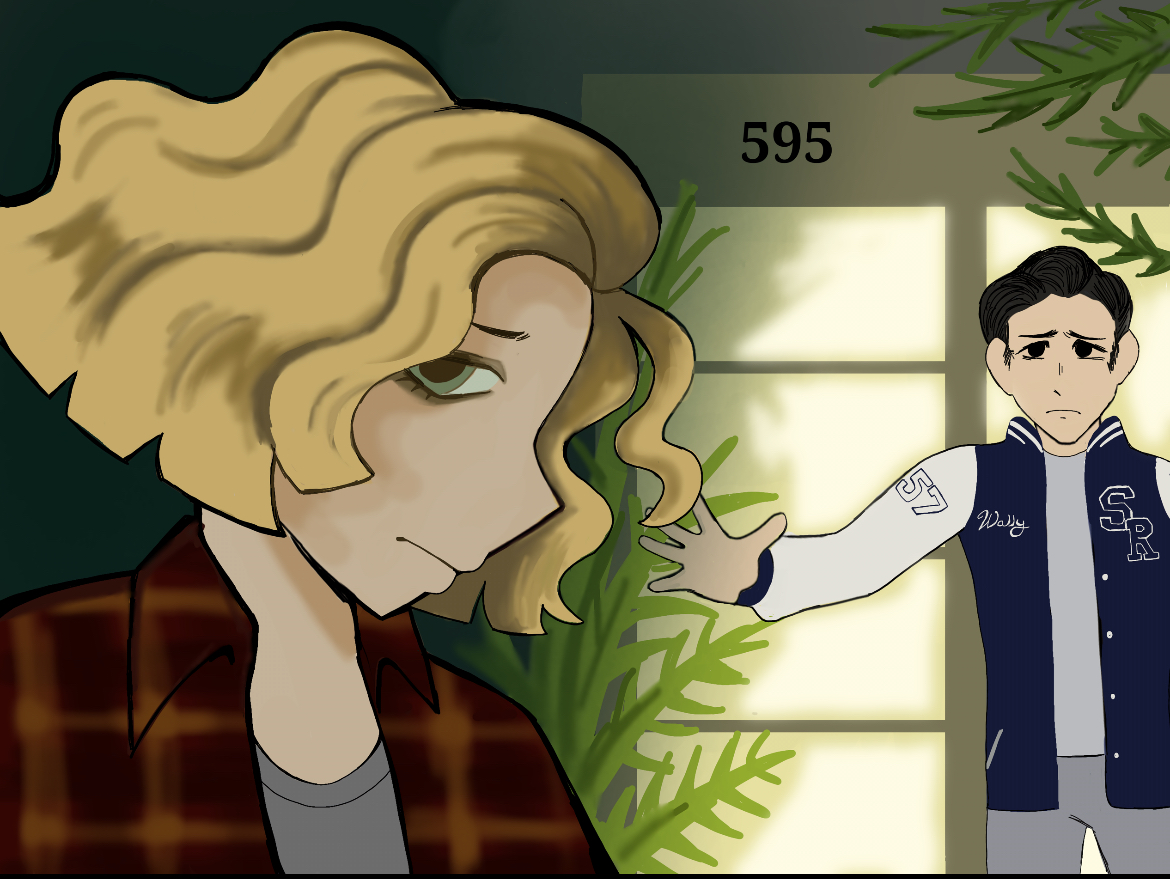
The third season of “School Spirits” arrived on Paramount+ with the kind of ending that keeps audiences talking long after the finale. The supernatural drama has built a loyal following by turning an ordinary American high school into the center of a strange afterlife mystery. Students who died at Split River High remain trapped inside the building as ghosts, forced to relive painful memories tied to their deaths while searching for answers about why they cannot move onto whatever is next.
Season three reworked the entire structure of the show by building on the previously established afterlife limitations and ghost rules that govern how spirits move through the school. Earlier seasons focused mainly on the strange routines of being a ghost. The newest installment instead pushes the story toward the larger mystery behind the system itself, suggesting that the boundary between the living and the dead is far more complicated than it first appeared.
One of the show’s most effective devices remains the concept of “scars.” Each ghost carries a memory tied to the moment of death that occasionally pulls them back into that moment. The idea the ghosts have is if you overcome a scar, you obtain a door that allows you to move on. In season 3, these sequences stop feeling like isolated flashbacks and begin revealing connections between different tragedies tied to the school.
Split River’s past became increasingly important in this season. Old yearbooks, forgotten records and references to the town’s church suggest that unusual deaths have taken place surrounding the school for decades. Newer spirits such as Dave Nears and Kyle Jensen, who are trapped within the hospital reinforced this pattern, hinting that the ghosts are part of a long-running cycle rather than isolated accidents and remain stuck in the afterlife outside of Split River High.
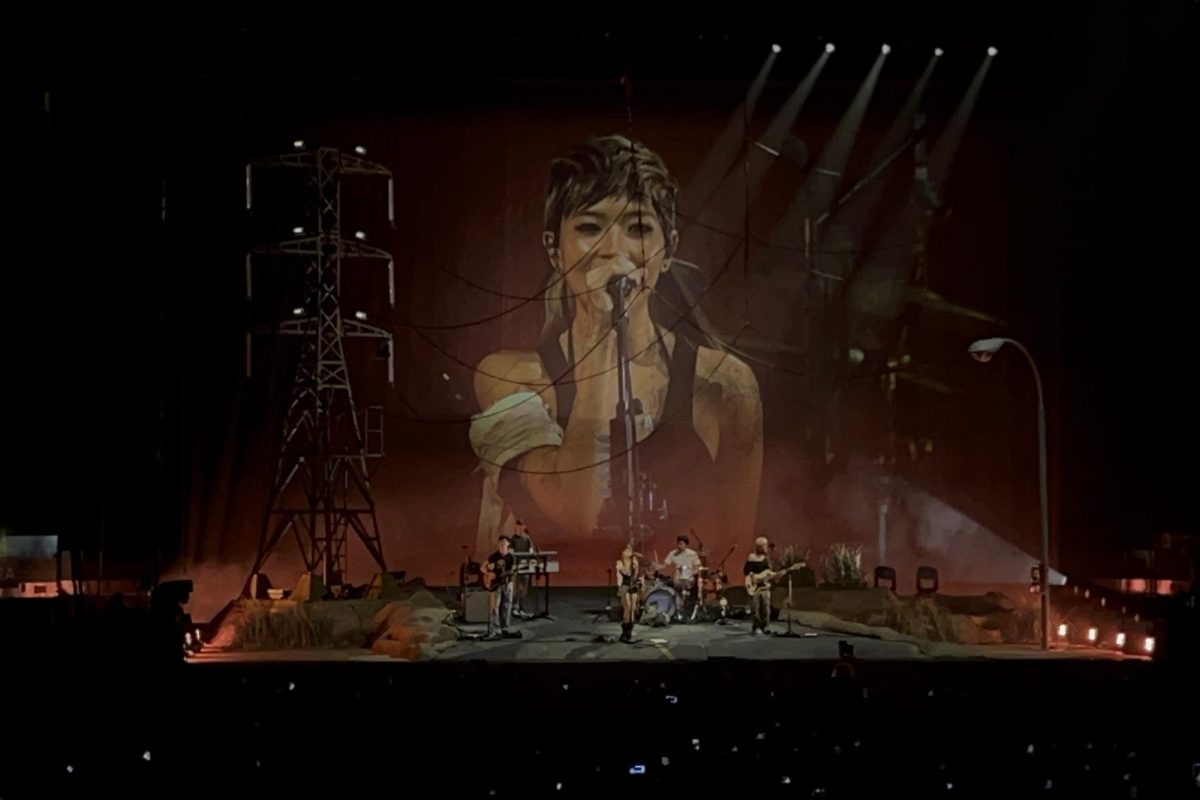
Music also plays an important role in shaping this season’s mood. The season’s soundtrack used nostalgic tracks from the 1970s, ’80s and ’90s with darker, grunge-inspired melodies that reinforced the show’s uneasy atmosphere. A standout moment featured Lizzy McAlpine’s cameo on the show during a flashback sequence set in the school’s past for one of the main ghosts, Rhonda Rosen from the 1960s.
During the sequence, she performed a cover of “House of the Rising Sun.” Her stripped-down vocals and acoustic arrangement create a quieter, more reflective version of the folk classic, which mirrors the anxiety and memories carried by the spirits.
One frustration that fans have voiced on online forums is that not every question receives an answer. Several new mysteries appear throughout the season while the origins of the supernatural system remain largely unexplained.
The story also shifts significant attention to the living characters, occasionally introducing new figures as if they have always been part of the narrative, which can make some developments feel less rewarding for longtime viewers.
The slow pacing may frustrate some audiences, but it keeps the tension building toward future seasons. These unresolved clues have fueled heavy speculation online, where discussion forums and social media threads are filled with theories about the history of Split River High and the true purpose of the ghosts’ scars.
Despite its lingering mysteries, “School Spirits” stands out among teen supernatural dramas. Instead of relying on traditional horror, the series uses its ghost story to explore regret, memory and the consequences of unfinished lives, making season 3 one of the show’s most compelling chapters so far.
With the dramatic ending of season 3 leaving several storylines open, many fans are already eagerly waiting to see where the story goes when season 4 arrives.