
The New York City Council passed a bill in a 44-5 vote on Nov. 12 to ban companies from using surveillance pricing.
The bill, sponsored by Speaker Julie Menin, would prohibit companies from using an individual’s personal data and algorithms to charge different users different prices for the same product. This information includes browsing history, past purchases and location tracking.
One investigation into grocery delivery platforms found that the same products differed in price by as much as 23% between consumers, while another investigation found that the price of a television rose from $499.99 to $599.99 once a customer pulled into a store’s parking lot.
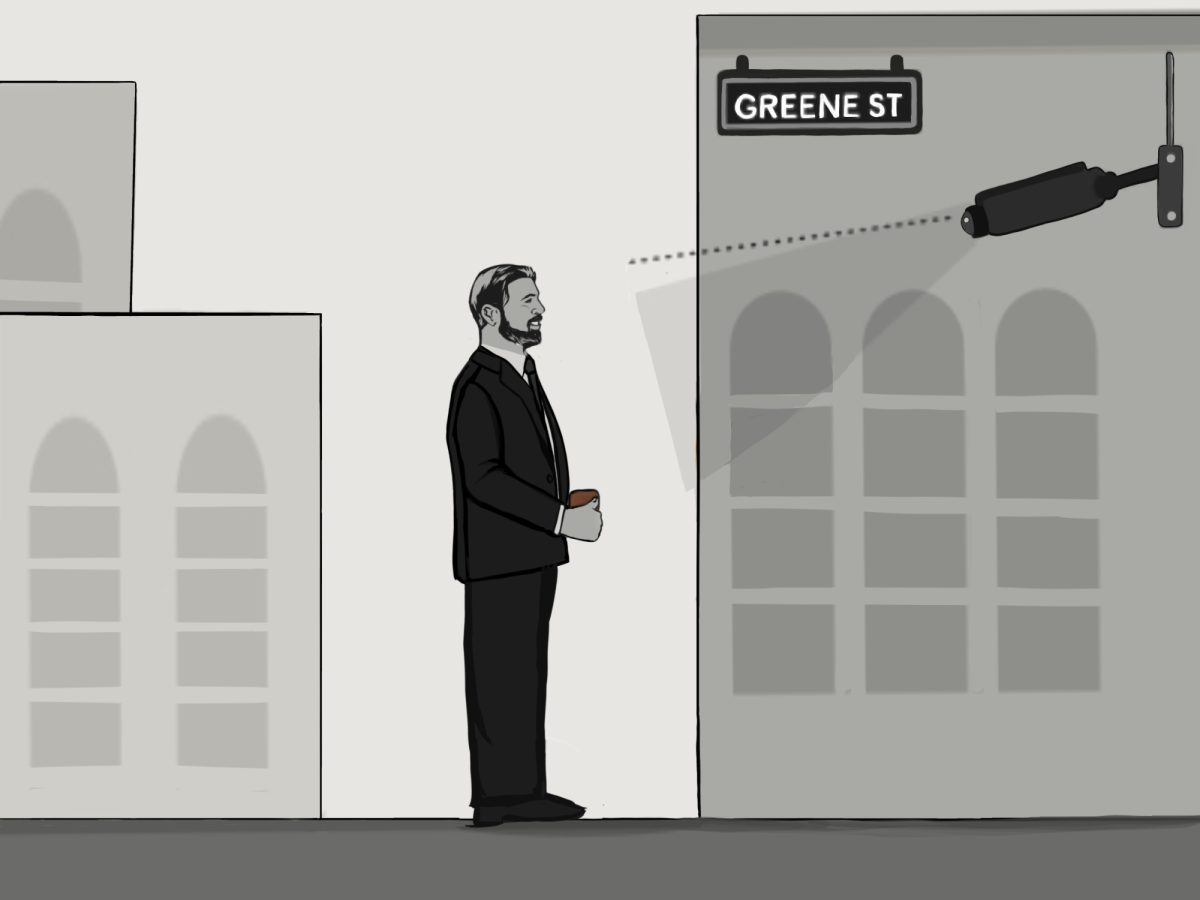
Surveillance pricing is difficult for consumers to detect because it happens behind the scenes and relies on covert tracking algorithms.
“The City Council is putting consumers first by ending the deceptive and insidious practice of surveillance pricing,” Menin said. “When corporations use algorithms and personal data to charge different people different prices for the same products, it’s unethical and worsens our affordability crisis. We take consumer protection extremely seriously, and we will continue fighting to lower prices and stop predatory corporate tactics.
NYC Mayor Zohran Mamdani backed this legislation, calling surveillance pricing “just another way corporations are finding to squeeze working people. New Yorkers’ personal data should never be used as a weapon against their own pocketbooks.”
The Department of Consumer and Worker Protection will be responsible for enforcing the law. Larger companies that violate the new law will face a $1,000 fine, while smaller businesses will have the opportunity to submit an action plan to correct any missteps. Each affected transaction will count as a separate violation.
However, some owners have expressed concern that the ban could affect discounts offered to customers.
“If enacted, this law will make it harder for small restaurants with limited marketing budgets to reach customers, putting them at a disadvantage against national chains,” Josh Gold, a spokesperson for Uber, said.
Mamdani stated that the bill would still allow bona fide discounts, such as student discounts and buy-one-get-one-free promotions.
As companies constantly rely on consumer data to make pricing decisions, this new legislation aims to establish limits on how one’s information can be used when New Yorkers shop for goods.
The bill is awaiting the mayor’s signature and is scheduled to take effect one year after becoming law, giving businesses time to adjust.