
Introducing students to alternative, more creative ways of learning will positively impact the ways in which they learn.
Historically, traditional classroom environments have relied on a relatively rigid, “one-size-fits-all,” classroom instruction that ultimately fails to be engaging to young, bright minds.
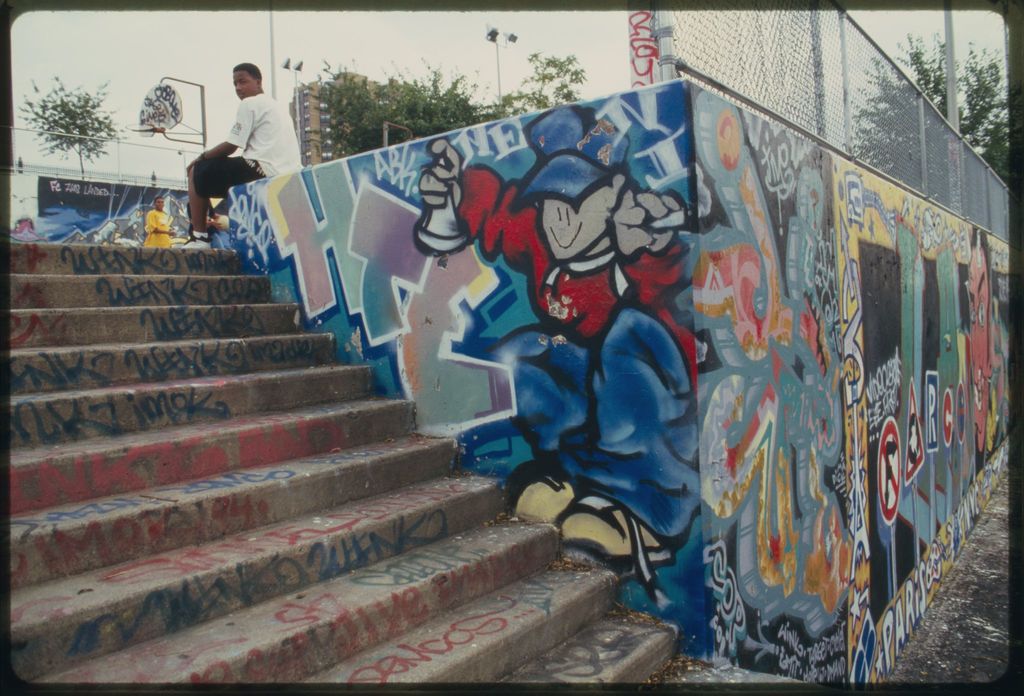
One Bronx school aims to fix this, The Bronx School of Hip Hop.
Columbia University professor Christopher Emdin is directly responsible for the educational revolution.He established “#HipHopEd” in 2012, set to bring his love of hip-hop to academic environments.
Emdin and fellow professor Edmund Adjapong co-wrote a proposal calling for the conception of a school that presented students with culturally relevant education and a more tactile way of learning in the form of dance.
Providing students with an outlet to learn culturally relevant material that has direct ties to the places where they live and go to school lets them up for the future while alleviating the shame that can foster in historically marginalized spaces.
In an interview with The New York Times, New York City Schools Chancellor Kamar Samuels spoke to the significance of teaching students culturally relevant information.
“One thing we know is that when you are connected to school,” he said, “when you’re elevating your culture, with rigorous instruction, especially for marginalized people—this is when most kids will succeed.”
When schools work to validate the lived experiences of students, they in turn weaken academic resistance and foster a place of academic enthusiasm.
School principal Jason Reyes corroborated on the importance of cementing students’ cultural roots, stating, “That lived experiences, dialects, Bronx identity… are sources of profound wisdom and intellectual power.”
Furthermore, hip-hop and dance thrive in spaces grounded in community.
Integrating these forms of art statistically leads students to view their school environments as far more than merely an academic environment but rather a place where their community exists.
This is evident in the undeniable success exhibited by The Bronx School of Hip Hop that currently surpasses a 95% attendance rate within its first year alone, well above the citywide average. Tactile and active ways of learning offer a critical solution to the ever-growing artificial intelligence epidemic occurring within classrooms across the nation.
The Bronx School of Hip Hop aims to combat shortcuts in the learning process, citing the intimate means of teaching that are offered: a geometry and DJ class.
Students are encouraged to create diamond dental grills, a live writing class aimed at discussing the conception of the Bronx and its historical roots, “Freestyle Friday,” which allows students to showcase their musical talents freely during their lunch hour and much more.
“I feel like this is something different than school. It’s not just relying on students to do all the work. It’s teachers actually helping you one-on-one and using hip-hop to teach you something,” said student Ezequiel Garces.
Embracing hip-hop and Bronx culture within the academic curriculum works to foster a bustling community.
It also helps to restore cultural relevance and both empowers and equips the next generation with tools to ensure their success.