
The Israeli food-tech startup Steakholder Foods has started selling 3D-printed, plant-based meat and fish in U.S. grocery stores. The launch led to backlash on social media over product labeling.
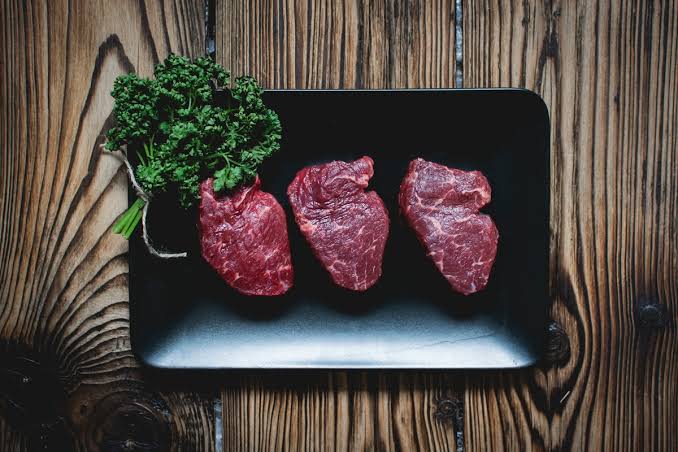
The company announced the launch of its Perfecta brand on Sept. 3 in the U.S. The line includes five products: chicken breast, filet mignon, marbled steak, salmon patties and white fish patties.
The products are sold in about 30 to 35 stores across the Northeast, and the company plans to expand to the West Coast, Virginia, the Carolinas and Florida.
In early October, people claimed on social media that 3D-printed meat had quietly reached American shelves and the claim turned out to be true. Steakholder’s packaging only said “premium plant meat” and “plant-based,” withholding any mention of 3D-printing.
In terms of regulation, federal rules require that companies label meat grown from animal cells, but Perfecta is made from plant ingredients, so that rule does not apply. The Food and Drug Administration said the product does not appear to involve cultured cells of any type.
3D-printed meat starts as a plant-based “ink”. The company says its products are made from soy and pea proteins, natural fats and flavor enhancers. Printers then layer protein and fat to copy the grain and marbling of real meat.
Desktop printers are slow for grocery stores; therefore, commercial production depends on high-speed machines with multiple nozzles. The ink must flow evenly, or the printer can clog. The finished cuts are then packaged and shipped to the stores.
Most plant-based meats, such as Beyond Meat burgers, are made by pushing a protein mix through a machine. That works for ground meat, but not for a steak or chicken breast. Printing lets Steakholder make whole cuts that it claims taste like real meat.
Unlike farming, plant-based meat does not require raising or slaughtering animals. However, printed meat still costs more than conventional ground meat substitutes because of limited production and high expenses, according to Jochen Mueller, an assistant professor at Johns Hopkins University.
To go mainstream, printed meat will need to compete on price with USDA Choice beef. He said, “early adoption will naturally target premium retail and food service segments.”
Despite this growth potential, nutritionists have raised concerns about the health effects of the products. Megan Wroe, a registered dietitian at Providence St. Jude Medical Center, said labels on 3D-printed meat list mostly “soy flour, rapeseed, oils, binding agents and flavorings,” ingredients she tells clients to avoid because they “lack micronutrient quality.”
Despite this, she said that 3D-printed meats could potentially help people with dysphagia, a condition that makes swallowing difficult. Steakholder launched Perfecta as a premium brand and plans to make its products more affordable as it grows. The company does not plan to change its labeling policy.