

Commuters on the New York City subway have been greeted by advertisements bearing the phrase “In Memoriam: The Billable Hour.” The campaign comes from Crosby Legal, an artificial intelligence law firm trying to disrupt the way corporate legal work is bought and sold. By switching from traditional hourly rates to per-document pricing, Crosby directly aims at billable hours, the core revenue driver of established big law firms.
The firm focuses on the automation of high-volume commercial contracts such as nondisclosure agreements, master services agreements and data processing addenda. Under this flat-fee arrangement, Crosby already signed high-profile tech clients such as Cursor, Ramp and Clay.
Beyond mere cost savings, corporate clients benefit from predictable legal budgets and accelerated turnaround times on standard transaction paperwork.
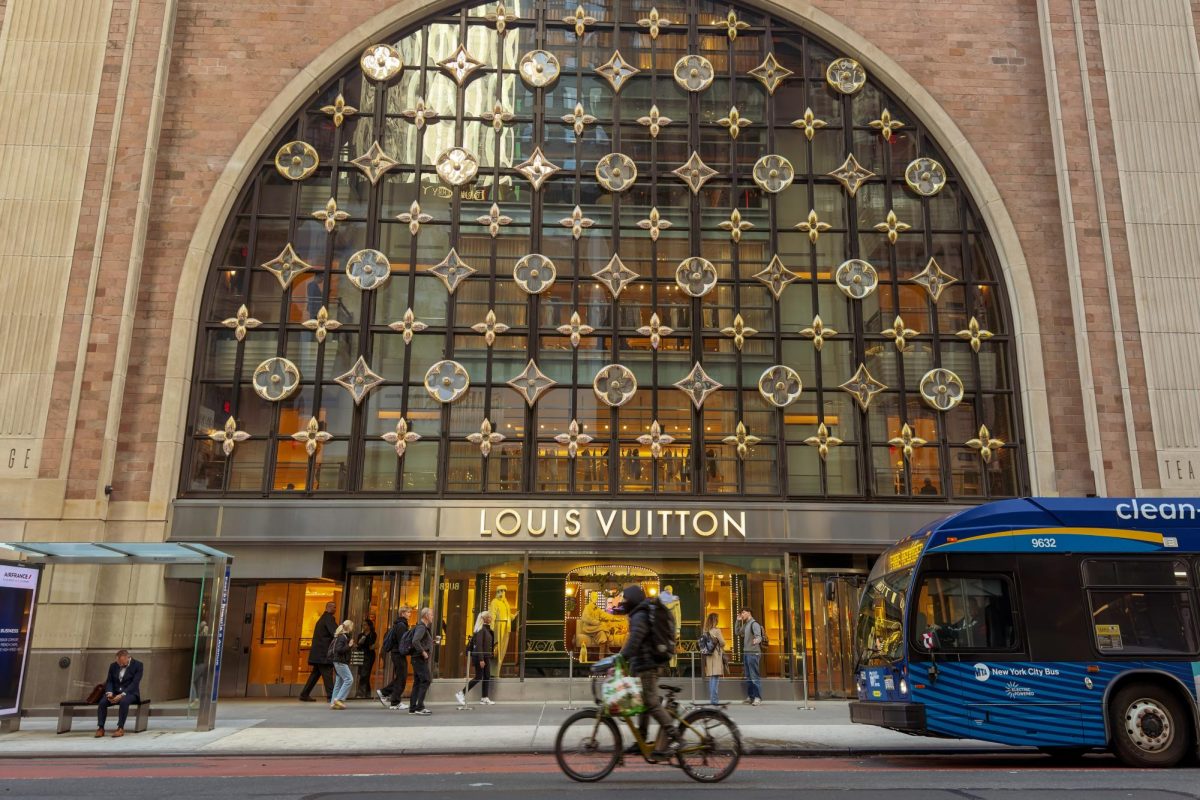
Placing transit ads to sell legal services to corporate executives seems like an unusual strategy, but the location choice relies on Manhattan’s geography.
Thousands of startup founders, corporate officers and legal workers encounter these transit campaigns daily as they commute between Midtown financial centers and Wall Street. By trading traditional cold outreach for subway ads, Crosby builds an immediate presence while driving organic interest across Manhattan.
Similar campaigns by enterprise software and financial technology providers have previously shown that urban transit ads can effectively drive customer acquisition. These ad campaigns conceal intricate corporate arrangements that attempt to work around stringent laws regarding the practice of law. New York State ethics guidelines strictly prohibit nonlawyers from owning law firms or sharing legal fees with licensed attorneys.
To comply with these professional responsibility standards, Crosby operates as a managed services organization that handles software development and business operations, while partnering directly with a licensed law firm entity to deliver actual legal services.
Software agents handle the hard work by creating automated redlines, scoring risk factors and conducting comprehensive counterparty analysis on incoming agreements. However, ultimate legal liability remains with human attorneys who operate under the current professional conduct rules of the New York State Bar Association.
In New York, licensed lawyers must actively supervise automated workflows to protect client privilege, verify document accuracy and avoid unauthorized practice violations before presenting their work to clients.
For mid-tier corporate law firms and traditional junior associates, the speed of artificial intelligence may represent a threat when serving startups and tech companies that are more open to its use.
As corporate legal departments become increasingly eager for faster results and predictable costs, traditional law firms are under increasing pressure to change.
In order to maintain the balance, the established firms could reduce fees, introduce new pricing models, or increase the use of automation.