
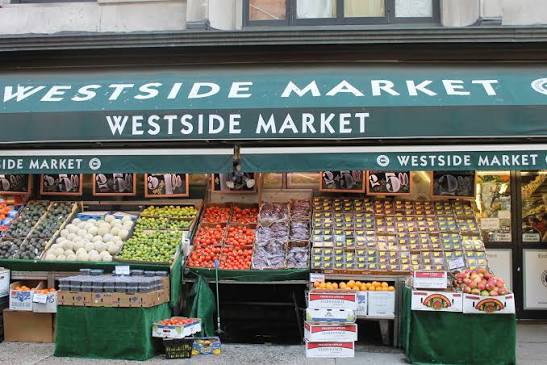
Since the U.S.-Israeli war with Iran began in February, many businesses have been struggling to adjust the costs of produce items while remaining profitable. Several factors have impacted these price spikes, such as fuel costs and fertilizer shortages required to get the items through the Strait of Hormuz. Fresh produce often travels long distances, and delivery companies that utilize gasoline-powered vehicles feel the impact of rising crude oil prices.
Disruptions with negotiations for ships to enter through the Strait of Hormuz are a big reason why many businesses decided to increase the price of produce. Since 2024, up to 20% to 30% of all seaborne fertilizers used to grow produce as well as significant amounts of oil and gas shipments have passed through the Strait of Hormuz.
With the ongoing conflict, Iran has been limiting which ships can enter. This restriction leaves many farmers and their businesses with no choice but to pay higher prices for fertilizers and gasoline and pass these costs on to consumers.
In New York City, the prices of fruits and vegetables increased 3.8% year-on-year, according to the Bureau of Labor Statistics, while nonalcoholic beverages rose 5.6%.
The rising grocery prices have impacted Baruch College students.
Steven Welker, a senior majoring in finance, said, “Since the start of the [2026 war in Iran] my family has been struggling to pay other bills for the house since we buy a lot of produce and other groceries.”
“Some of the items have seen price hikes so high that we barely have enough money to put into other investments in the house,” he continued.
For farmers who rely on Middle Eastern oil, production costs and output prices could increase if the cost of fertilizers increases. Fertilizers are important for plants to grow and produce fresher fruits. If fertilizer deliveries are delayed, millions of Americans could be impacted.
Frank Duhamel, a sophomore studying political science, said that the delay in fertilizer deliveries has pushed his family to look for cheaper produce alternatives, including starting a garden.
“Fertilizer material being delayed has caused my family to look for other cheaper alternatives such as buying canned produce or frozen vegetables,” he said.
“[However], my family prefers the traditional produce items found in produce sections of grocery stores which are much healthier and require less hassle,” he continued.
Ultimately, the rising grocery prices reflect the impact of the war on the daily lives of Americans. On Nov. 7, the US Central Command announced the creation of Task Force Iron Gate, which aims to extend the current naval blockade to also cover trade.
This extension could further limit the seaborne fertilizers and oil traveling through the strait.