
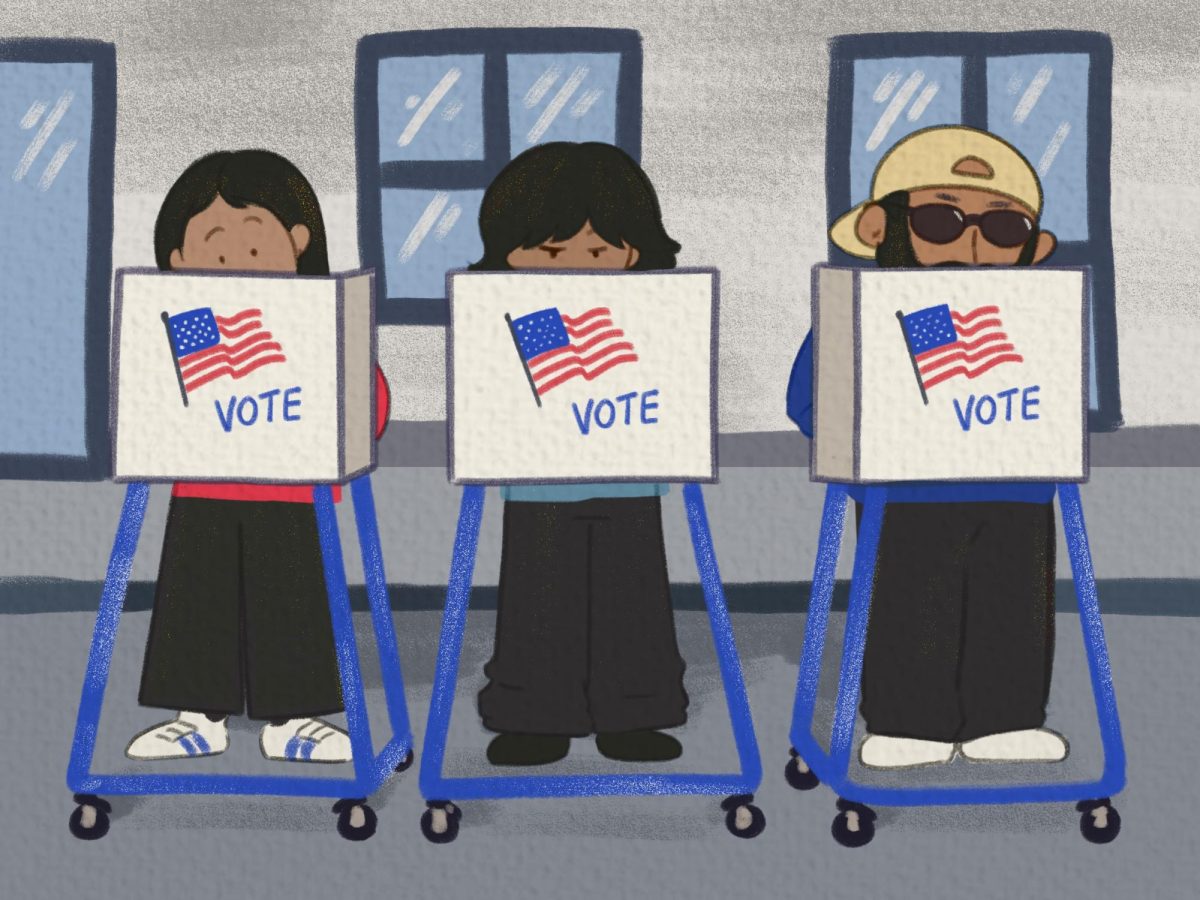
New York City residents voted to approve all five ballot proposals from Mayor Zohran Mamdani’s Commission on Government Efficiency on Nov. 3, Election Day. Each of the proposals aimed to improve the city’s operations.
According to a statement made by Mamdani, these measures will help address the affordability crisis, as well as oversee the acceleration of street safety projects and housing production.
“Tonight, New Yorkers voted for a government that moves as fast as they do,” Mamdani said in a statement. “Now comes the work of turning these votes into results.”
The first proposal involved streamlining the approval process for the business use of public spaces. By approving this proposal, the application processes for sidewalk and roadway dining will be combined. This will also remove the City Council’s power to deny sidewalk café applications.
In addition, the measure ensures that the application eight month process timeline will be cut down to two, saving businesses up to $1,800 in fees. These changes will take effect on March 1, 2027.
Regional Plan Association’s New York Director Maulin Mehta supported this proposal and said, “Doing anything we can to drive down these costs I think gets us back to this point that we saw during the pandemic, where every neighborhood around the city was participating and it was really an equalizing program.”
The second proposal dealt with city contracting; it allows the city’s Procurement Policy Board to shorten questionnaires based on contract size, industry and if the vendor is a small business. This change is aimed at simplifying the questionnaire and allow the city to award contracts faster.
Additionally, the proposal will shift the required public hearing for some contracts to a simple written public comment period.
This commission predicted that the changes to the New York City Charter can shave 30 days off certain procurement processes.
Proposal three addressed government office spaces, transportation and city property. Select city-owned properties that measure 10,000 square feet or less will receive shorter approval processes, making it easier to lease private office space.
In regard to transportation, the proposal will make the process of constructing new bike and bus lanes easier by speeding up development by 33%. This would also speed up buses, which was part of Mamdani’s campaign promise.
Proposal four involved building permits and a centralized application system. By enacting this measure, it allows the Department of Buildings to develop a singular digital hub, with a target launch set for December 2029. This will consolidate 40 permits and approvals that are currently being handled by 18 different agencies and offices.
In addition, the DOB will be in charge of all waterfront construction permits instead of the Department of Small Business Services.
The final proposal directly addressed the city’s rainy-day fund: money specifically set aside for unexpected financial hardships.
According to the Gothamist, this measure will set at least 12% tax revenues to the side for the city’s rainy day fund, as opposed to not having target or deposit requirements. This will also create a flexible deposit formula that will be updated at least every four years. Any withdrawals over 50% requires the mayor to sign off as a “compelling fiscal need.”
However, Citizens Budget Commission President Andrew Rein said the 12% target is too low and should be closer to 16%. He argued that the proposal will grant the mayor too much financial freedom to decide what is a compelling fiscal need.
These ballot changes are aimed to cultivate a more efficient city: by improving operations, contracting, transportation and improved fund allocation, New Yorkers can witness their home flourish.