

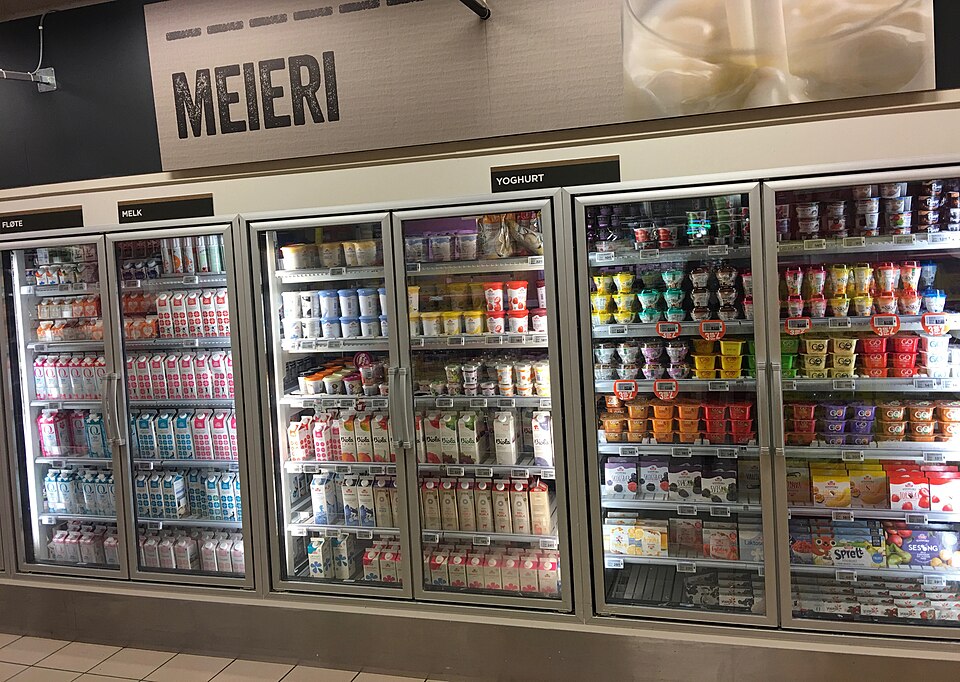
The recent cyberattacks targeting European supermarket chains demonstrate a worrying fragility in the infrastructure people rely on every day. Hackers broke into remote control software from vendors like Danfoss and put supermarket refrigerators into continuous defrost cycles, driving temperatures as high as 50 degrees Celsius.
Roughly 700 supermarkets across France suffered severe disruptions, spoiling tons of fresh food and causing millions of euros in damage. French Finance Minister Roland Lescure said, “This attack hits the core of French food safety.”
The situation revealed a serious flaw in the way mechanical systems are managed in the retail industry.
Older hardware had been left operating on obsolete software and was connected directly to the public internet without adequate protection. For years, computer security experts have said that industrial controls in commercial supply chains need to stop being treated as an afterthought.
When vendors build remote access features into essential equipment like cold storage, they create easy entry points that intruders can exploit with immediate physical consequences.
This crisis shows that France and the wider EU face deep security gaps far beyond grocery stores.
Similar security holes likely exist in other public utilities. Physical technology that keeps water flowing, power running and food fresh has been ignored for too long in policy planning.
Government protection efforts can no longer focus only on banks and official databases.
Both retailers and equipment makers could have done much more to prevent this disaster.
Older systems were left online without basic network isolation simply because replacing industrial hardware is expensive and inconvenient for operators.
Store managers often lack the technical training required to spot exposed devices on local networks. Strict laws should be set regarding the necessity for all commercial devices connected to public networks to have some security standard met.
Network security and regular updates should become legal necessities instead of optional recommendations. The response from supply chain leaders will have to go further than mere patch management.
Companies have to develop systems for monitoring their networks for any abnormalities in terms of strange temperature or unexpected remote order before the inventory gets damaged. Taking these steps would help shield physical store locations from outside tampering.
European Food Commissioner Christophe Hansen pointed out that the weaponization of food has become a reality.
“The French refrigeration hack is a serious warning for the rest of the world. If we do not start treating commercial food supply chains as critical national infrastructure, intruders will keep finding ways to turn basic physical systems against us,” he said.