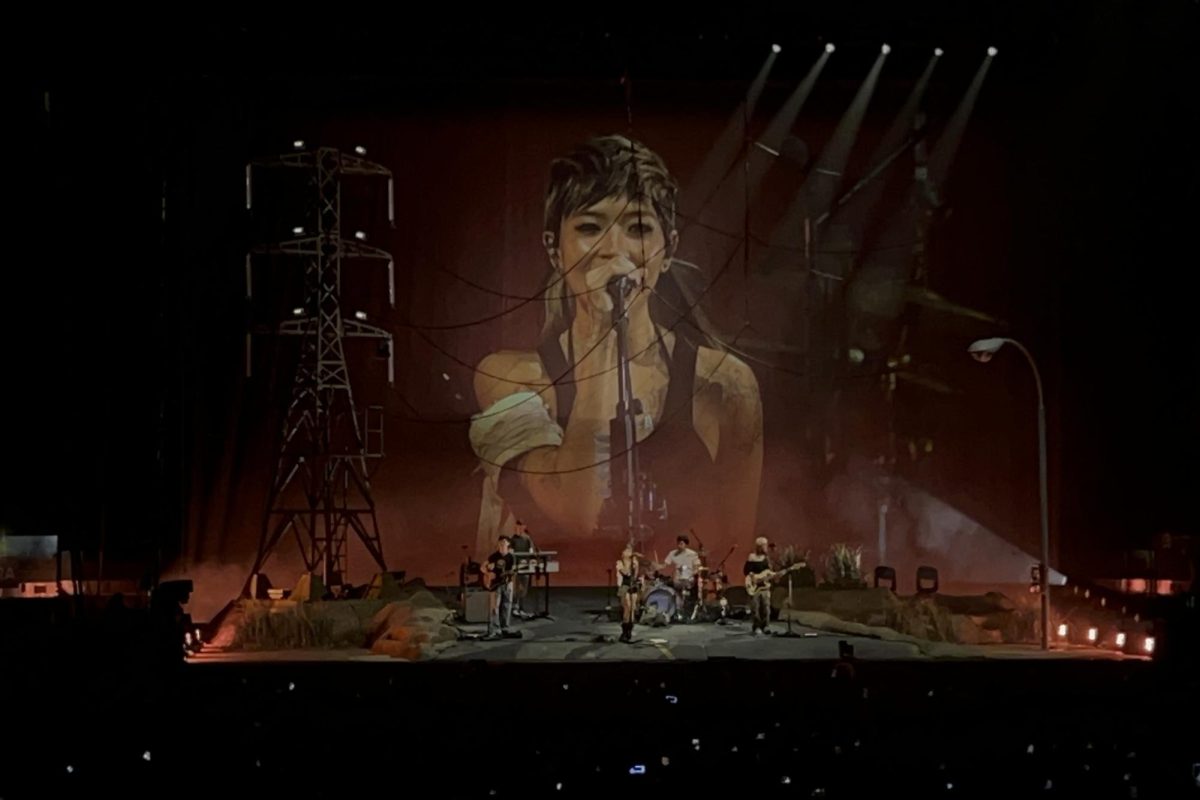

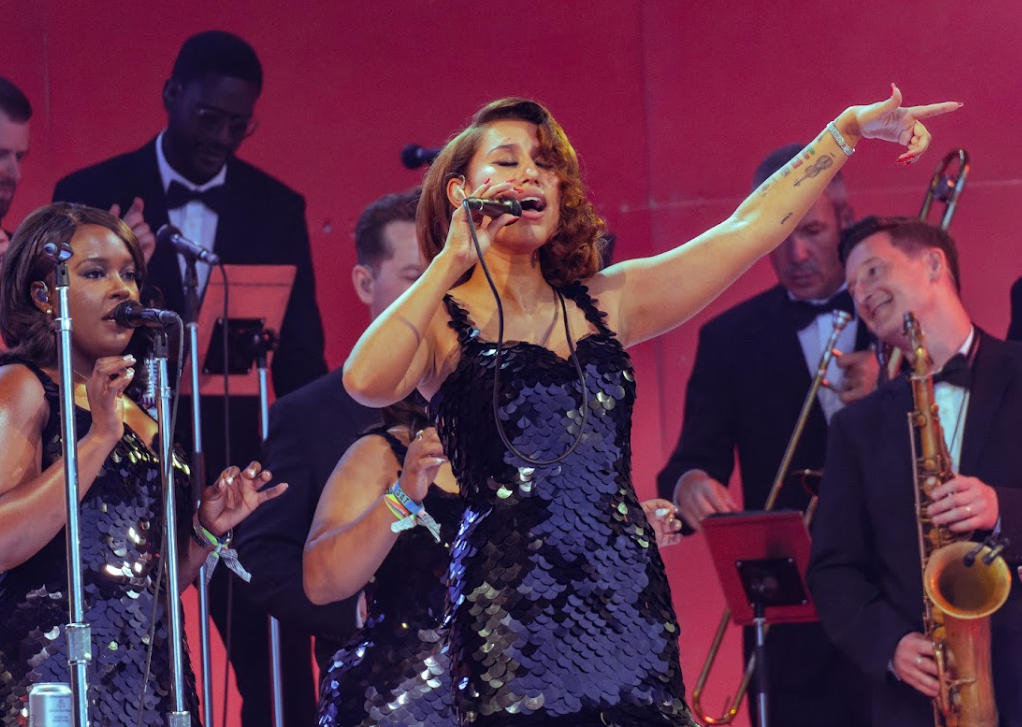
London-based singer Rachel Agatha Keen, known by her stage name RAYE, announced a symphony show, “THIS SYMPHONY MAY CONTAIN HOPE,” set at the historic Royal Albert Hall in London on Oct. 8.
This unique night on Oct. 23, 2026, will reimagine RAYE’s critically acclaimed 2026 album, “THIS MUSIC MAY CONTAIN HOPE,” with a symphonic orchestra.
This follows the singer’s 2023 “My 21st Century Symphony” concert at the same venue, which was recorded as a live album and a subsequent concert at The O2 London, from which the concert film was nominated for a Grammy Award.
RAYE is an independent artist who famously departed from Polydor Records after a seven-year contractual relationship with them due to the restriction of her creative vision.
Owning her music means RAYE is able to support her bold, genre-defying creative vision and receive 100% of the revenue from hits like “Escapism.” and “WHERE IS MY HUSBAND!”
Despite her creative freedom and explosive popularity, being an independent artist operating without the infrastructure of a major record label presents challenges.
After funding her extravagant Royal Albert Hall show in 2023 with a year’s worth of her own wages, RAYE faces an industry-wide battle — scalper bots — with limited resources.
This vulnerability was exposed during the presale sign-ups for her 2026 symphonic orchestra show, which saw a tumultuous 1.8 million requests for only 5,000 seats.
This staggering figure was not necessarily a reflection of genuine demand; rather, it demonstrated how hundreds of thousands of bots can hijack the ticketing experience.
According to a statement released on RAYE’s Instagram, her team eventually decided “to manually review the sign-up list to identify a shortlist of people we believe are real fans.”
Despite taking measures such as asking registrants to name their favorite songs from the recent album, RAYE was unable to defeat the automated enemies that have plagued the live music industry for decades.
Scalper bots are programmed to bypass queues, securing tickets before fans can access them and relisting them at exorbitant prices.
This issue reached a boiling point in the 2020s during Taylor Swift’s Eras Tour ticketing controversy.
The presale reportedly generated an unprecedented 3.5 billion system requests from fans and bots, crashing the Ticketmaster website and locking out millions of legitimate buyers.
The ensuing public rage led to legal action in the U.S. for the dismantling of the Live Nation near-monopoly, the abolishment of “junk fees” and eventually the outlawing of scalper bots in several states.
Unlike these states, the United Kingdom has yet to criminalize ticket scalping.
This leaves independent artists operating in the UK, like RAYE, largely unprotected against market exploitation.
Even after RAYE’s team manually selected fans for the presale, tickets are still selling online for upwards of $9,000.
On Oct. 15, RAYE announced six additional “THIS SYMPHONY MAY CONTAIN HOPE” shows in Italy, China, Switzerland, the United States, Australia and Ghana through 2028, promising “a new sign-up process designed to better verify genuine fans, prevent fake registrations and make it harder for scalpers to get their hands on tickets.” While eradicating scalper bots from the ticketing industry may seem impossible, RAYE’s new approach ensures that her upcoming tour ticketing system may, at the very least, contain hope.