
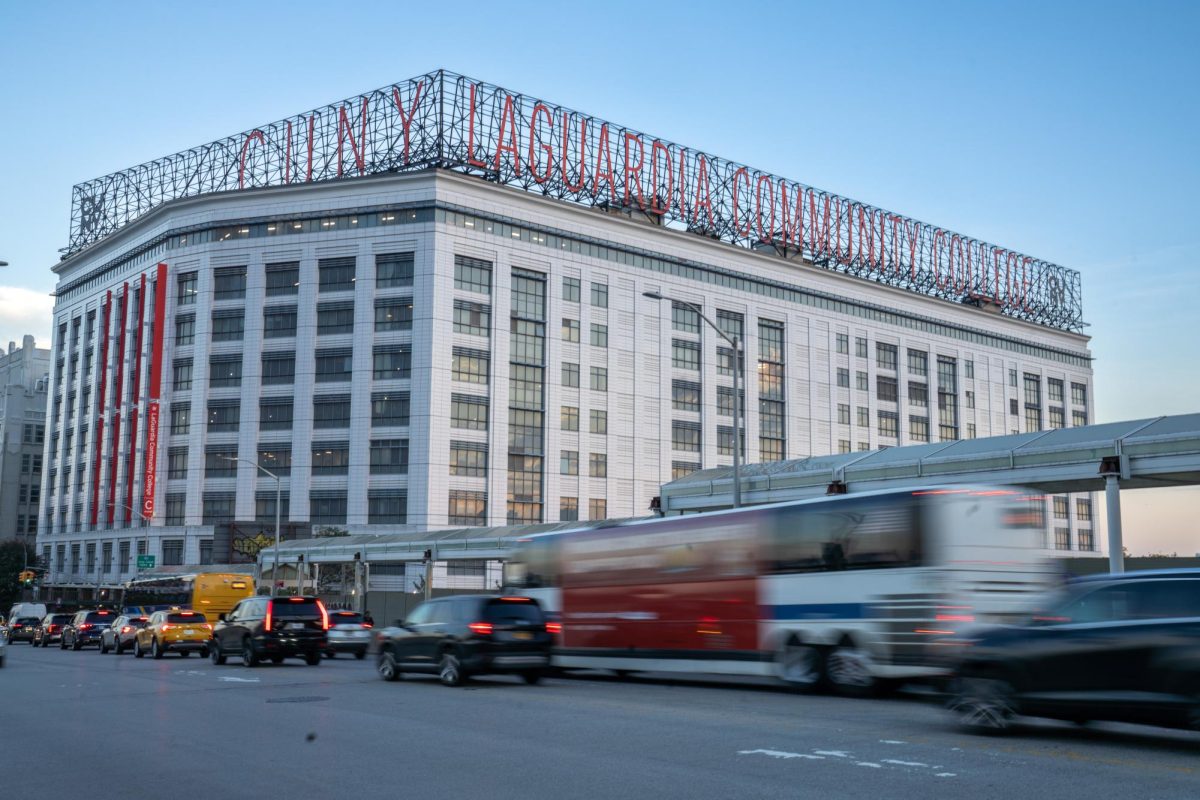
Gov. Kathy Hochul announced that community colleges will start offering free associate degree programs for adults aged 25 to 55 in high-demand fields, even if the individual already has a college degree.
The program aims to combat the rise of artificial intelligence and provide a debt-free solution for New Yorkers to stay competitive in the workforce.
“New Yorkers should not have to choose between earning a paycheck and getting the skills they need to move ahead,” State Sen. Jeremy J. Zellner said. “I applaud Governor Hochul for expanding free community college and removing a barrier that kept people with a degree from going back to school. This is about giving working people a real shot at better-paying jobs and making sure our workforce is ready for the jobs of tomorrow.”
The rise of AI has been destructive towards the general job market, and this new program is not an overreaction to this concern. The program was designed so that individuals are provided the opportunity to shift into higher demand industries, where AI may not be as disruptive.
Unlike the old Reconnect program, the new program offers participants access to nursing and healthcare professions across multiple community colleges. This aligns with the program’s objective as nursing is a career considered to be more secure and resilient against AI.
The benefits of this program extend beyond the scope of overcoming the rapid advancement in the job market. It will fill gaps in the workforce where skilled labor is low but demand is high, such as air traffic control.
While directing New Yorkers to fill economic gaps is important, the value in higher education has seen growing skepticism. Where it was once socially considered mandatory, college degrees are now saturated, and not all careers, such as trades, require it.
Since AI is advancing so rapidly, colleges must adapt for the program to stay relevant. Classrooms should not only teach new skills, but should also educate individuals on how to work appropriately alongside AI.
Overall, the program will bring New Yorkers, who may not have been able to afford a second degree, a chance to enter careers with more demand and job security.
However, without adjustments to the higher-education system itself, it could be difficult to justify the value of the program.