
Mayor Zohran Mamdani and the Department of City Planning announced on Oct. 1 that 12 districts have been approved to be included in a new Affordable Housing Fast Track, or AHFT.
This fast-track, set to take effect in January 2027, is designed to produce more affordable homes in areas that have built the least over the past five years.
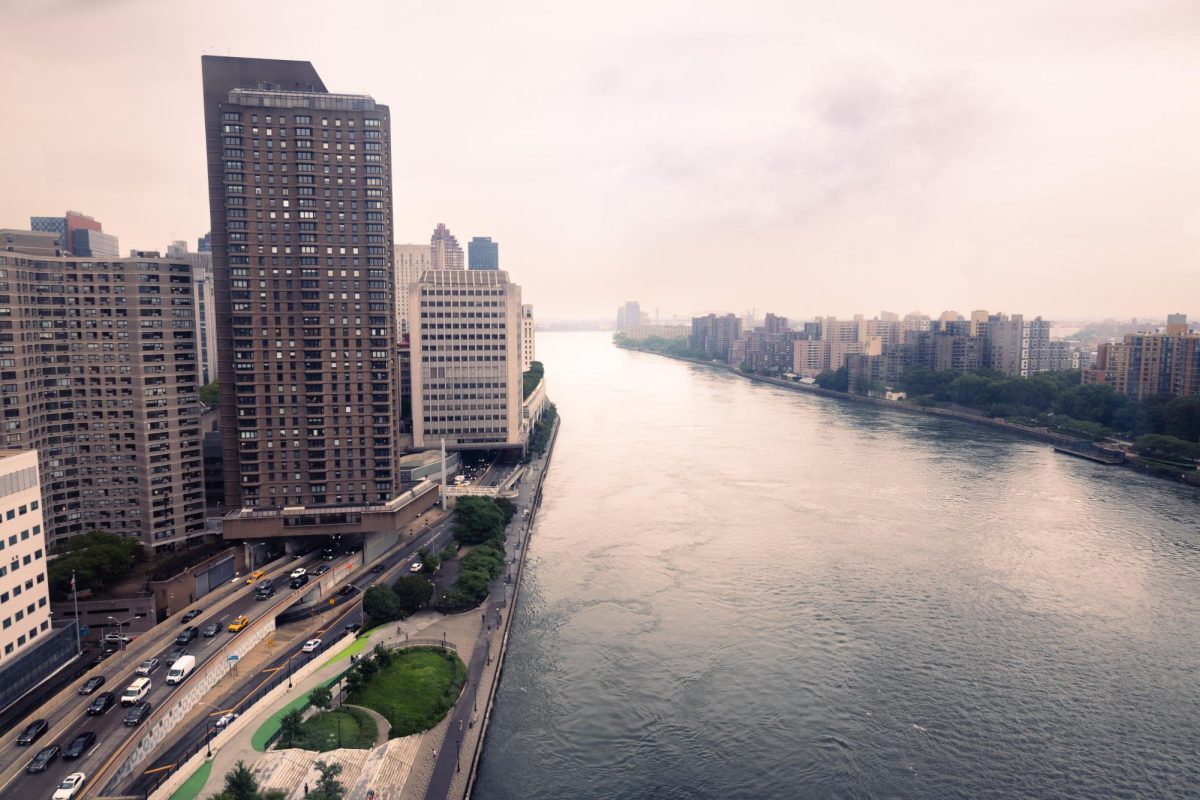
According to the Office of the Mayor, some districts that have produced the lowest rate of affordable housing include the Upper West and Upper East Sides, Bay Ridge, Borough Park, Elmhurst and Roosevelt Island.
AHFT was able to pass due to ballot measures signed by voters during the November 2025 elections. Now, City Council approval will no longer be the last step in determining whether affordable housing will be built in certain areas, making it so that housing is distributed fairly and lower income neighborhoods with primarily Black and brown residents no longer have to bear the brunt of construction.
According to the official press release, the AHFT “preserves Community Board and Borough President review and opportunities for public input,” meaning there may still be pushback through litigation and from local community organizations who do not agree with the initiative. However, this should not stop affordable housing from being built in wealthy neighborhoods.
Housing should be developed where it is needed, and those who come from low-income backgrounds deserve to live in parts of the city they typically cannot afford. The issue is that some of the neighborhoods included in the list, like the South Shore on Staten Island and parts of deep Queens such as Queens Village and South Ozone Park, lack the proper transit infrastructure to effectively support affordability in the long term.
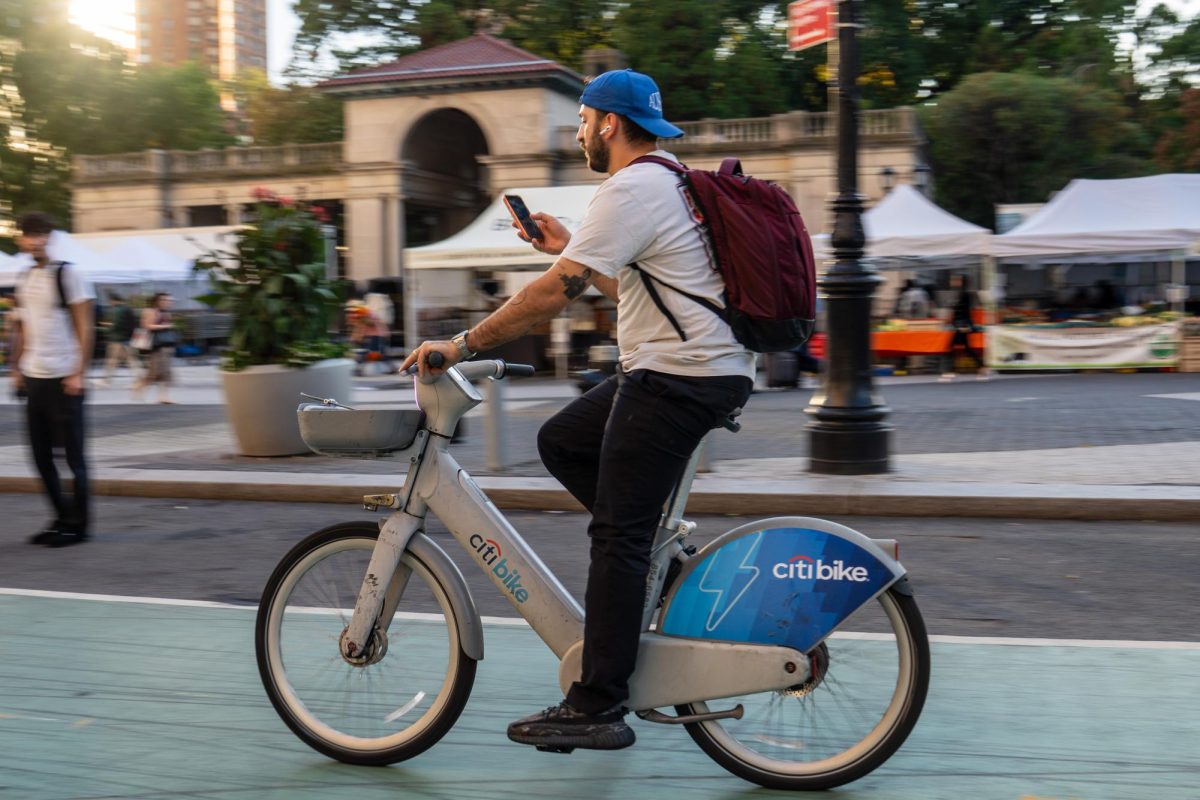
Those who will move into future affordable housing in these areas and do not have cars will be forced to spend more on long commutes into the city unless appropriate action is taken to circumvent the problem. The broader housing and affordability crisis does not just involve the number of units or the price of rent and mortgage; it also includes the cost of travel and healthcare.
While this initiative is well intentioned, the Mamdani administration must ensure that the number of affordable units being built are placed in accessible areas with reliable access to public transportation. The Mamdani administration should thus work with the city to develop ways of expanding and improving public transit services to these neighborhoods where construction will occur.
This will not only alleviate congestion in areas that are already experiencing overcrowding, but it will also be a step toward improving the overall quality of life for NYC residents and addressing affordability.