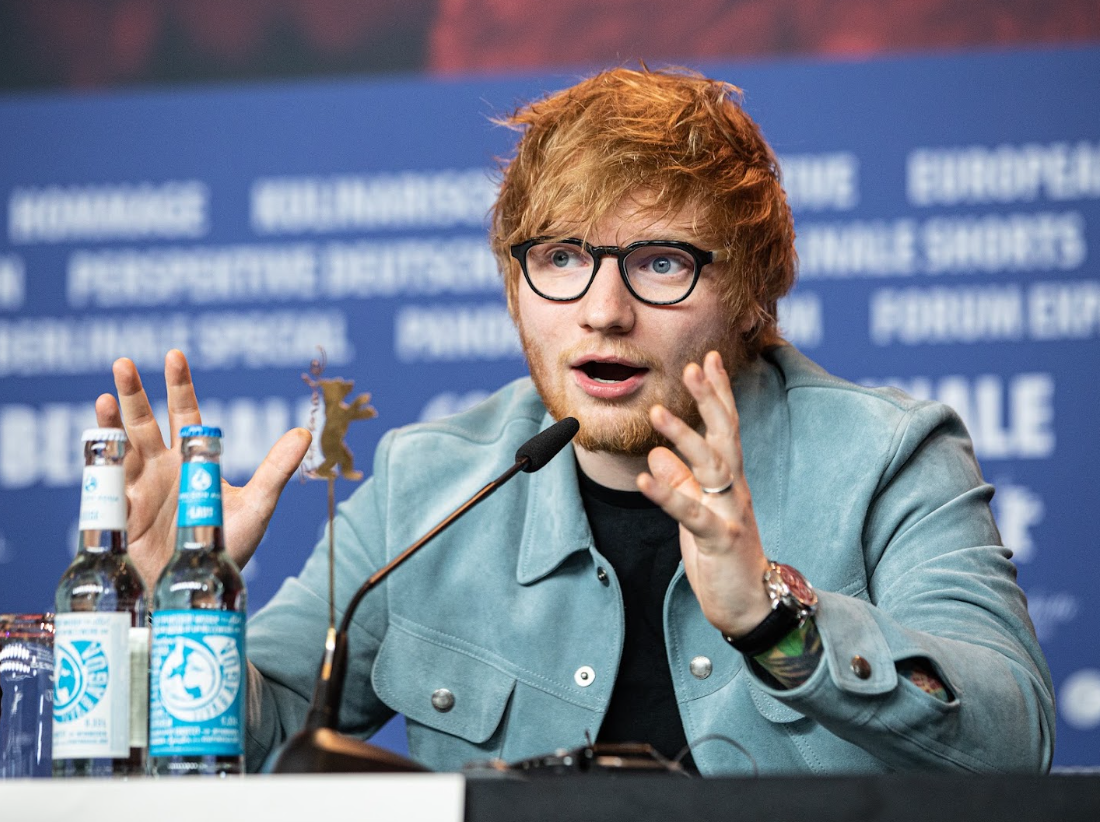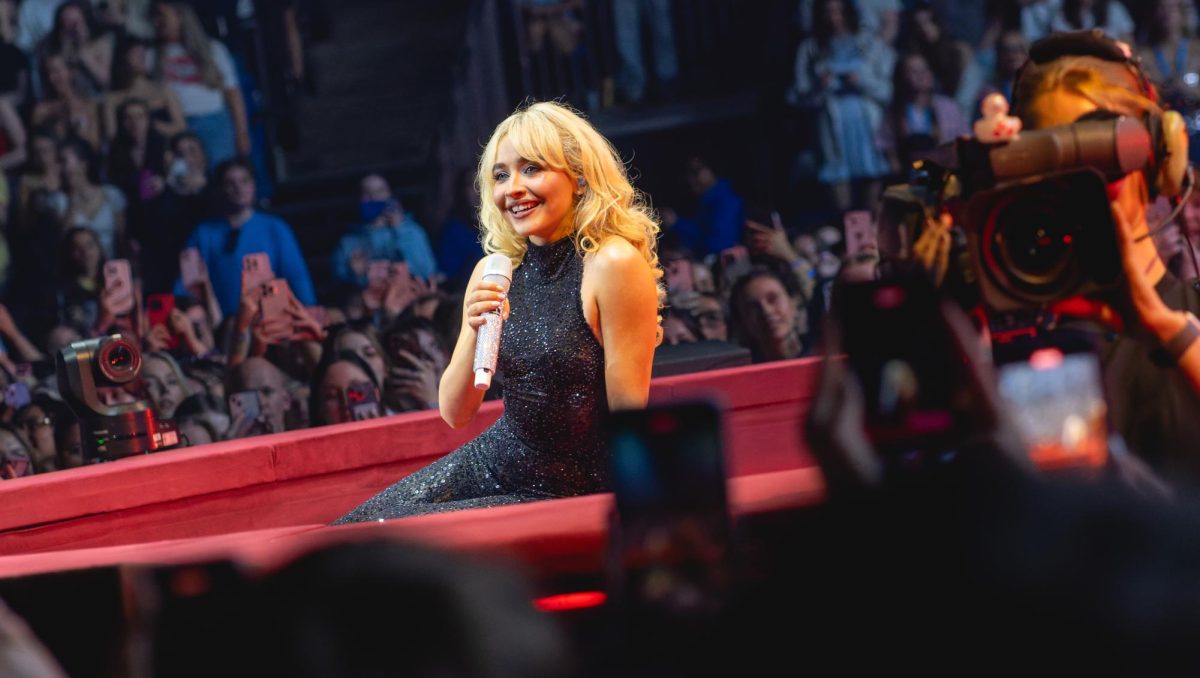

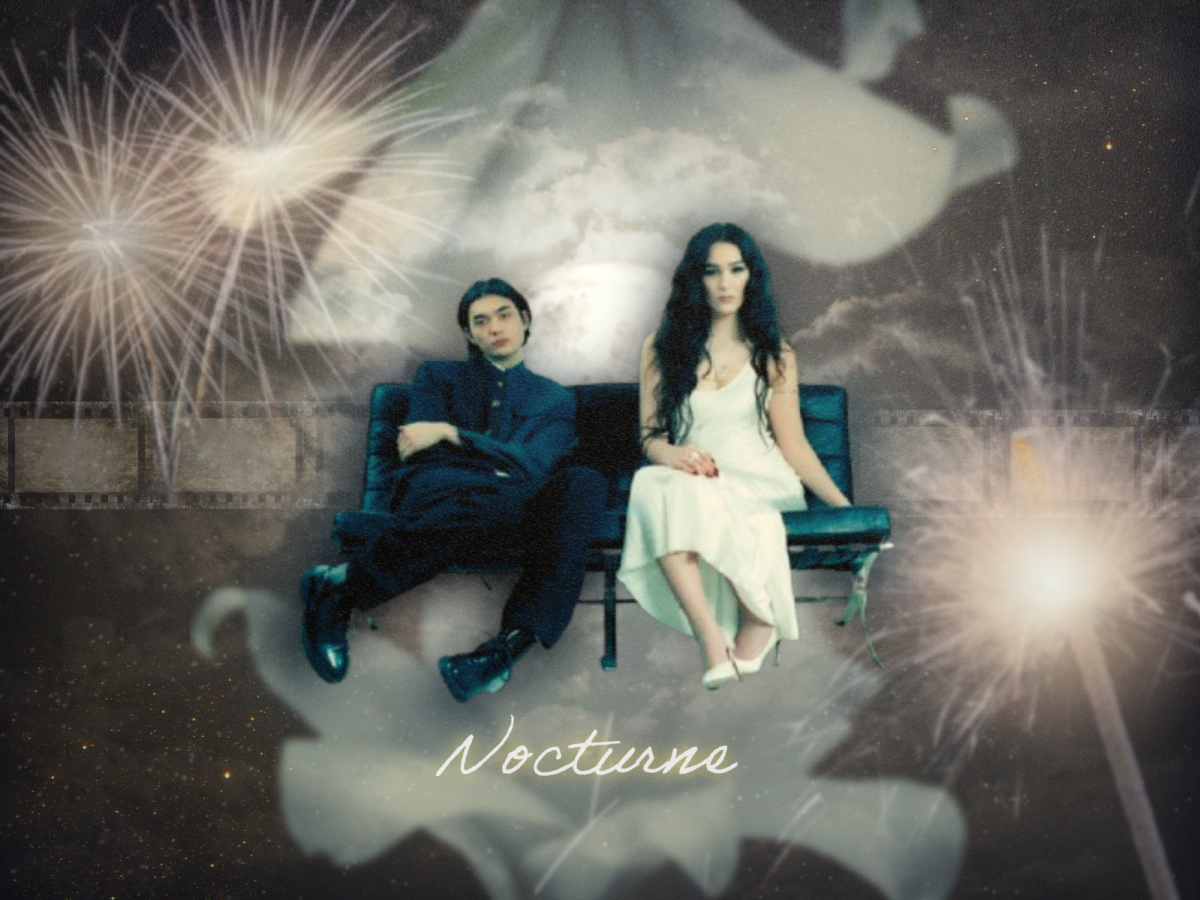
Sibling duo Wasia Project released their rich debut album, “Nocturne,” on Sept. 18.
Best known for portraying Tao Xu in the Netflix original series “Heartstopper,” Will Gao has released music with his sister, Olivia Hardy, since 2019.
Their two EPs, “how can i pretend?” and “Isotope,” are short and sweet, showcasing immense growth between releases — the former having a comfortable bedroom pop sound and the latter being more conceptual.
Helmed by St Francis Hotel, a London-based producer, “Nocturne” explores themes of heartbreak, freedom, loneliness and grief.
The album is characterized by a broody and sophisticated audio profile that highlights the duo’s boundless creativity and massively expands on the sound Wasia Project previously held.
In “Nocturne,” the duo flawlessly alternates between genres and moods. In an interview with The Beat Asia, Hardy said, “With this album, we’re not afraid of going all the way with the sonic palette.”
Their fearless experimentation serves a unique purpose: using a volatile audio profile to accentuate the distinctly Generation Z’s struggle of developing independently within an increasingly alienating, technology-driven world.
“Nocturne” features 12 tracks. The songs initially oscillate between genres, while the last four selections are more grounded.
The songs blend electronica, indie pop, rock, ambient music and Berlin techno, while the lyrics are a striking progression from Wasia Project’s earlier work.
The leading single and opening track of the album, “2515,” is a major standout that masterfully showcases the atmosphere of “Nocturne.”
The sound evokes the feeling of being in another room at a party, with muffled yet heavy bass and trippy distortion in the crystalline vocals and instrumentals, establishing the theme of modern isolation immediately by creating a sense of detachment.
Hardy sings of revisiting her hometown, grappling with the geographical and emotional disconnect of her mixed Asian heritage as she explores the difficulty of growing up.
Unlike the other tracks, where Hardy holds the leading vocals, Gao takes the microphone on the mysterious “Even If I Tried,” complete with buzzing synth chords, which eventually dissolve into a breakbeat-esque rhythm with a vocals, transitioning to the more melancholic portion of the album.
“Stay” and “Nightingale” grapple with the fear of grief and loneliness.
The latter tackles the idea of seclusion most clearly, particularly in the form of waiting eternally for hope: “I’ve spent all my life / Waiting for fireworks.”
This track serves as a metaphor for the extremely specific despair of a generation coming of age in an increasingly disconnected world.
Ethereal backing vocals act as a release of emotion or forceful breaking free from the manipulation and seclusion introduced in “2515.”
The end of “Wildfire” is encapsulated in the outro, where Gao and Hardy croon, “Come back and try it again / Fight back, we’ll try it again / Come back, it’s all in my head” — a cathartic final plea that concludes this duo’s showcase of their striking evolution.