
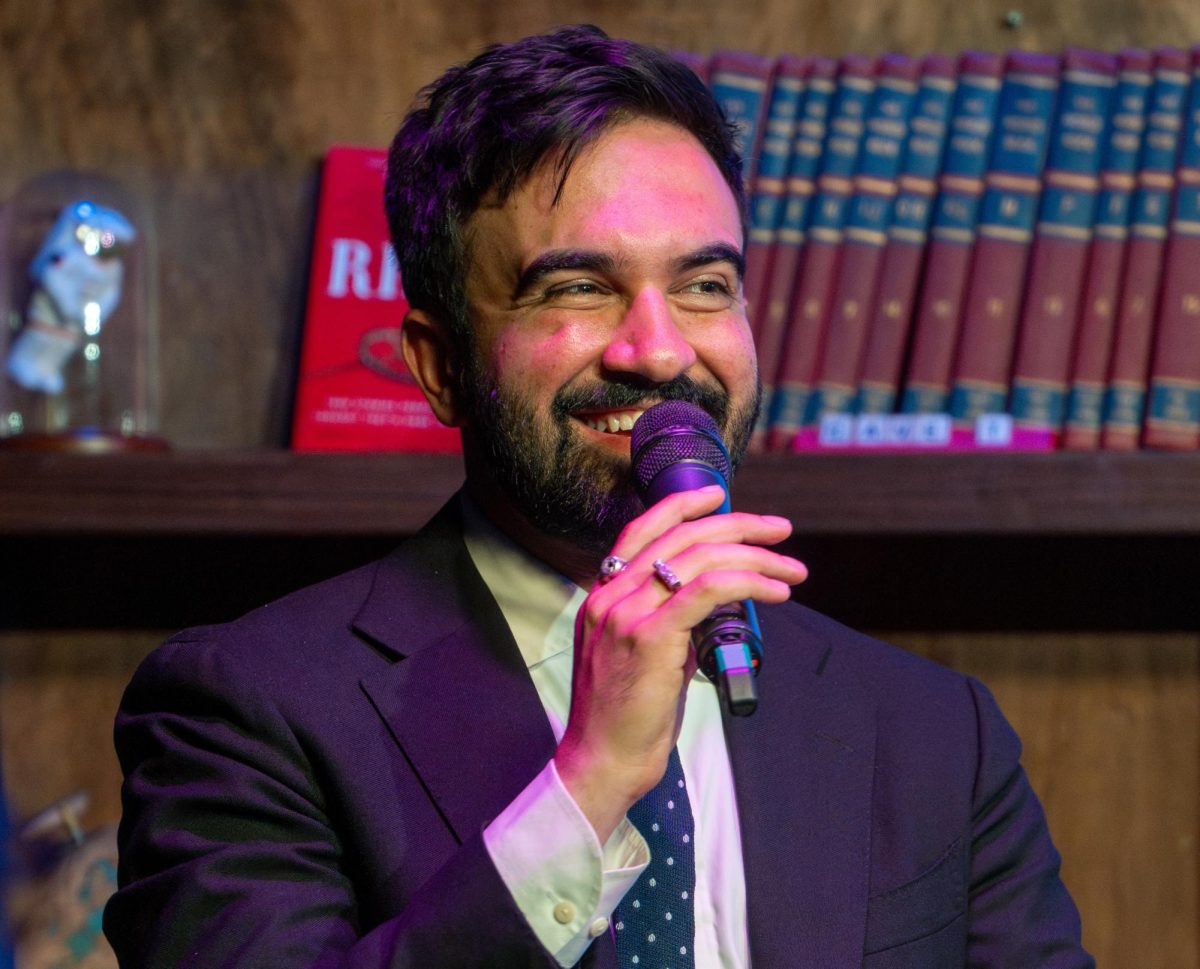
On Sept. 7, Mayor Zohran Mamdani launched the Mayor’s Office of Worker Power in order to utilize City Hall resources to help workers stay up-to-date with necessary information on violations of workers’ rights.
“Every day, working New Yorkers show up, do their jobs, and keep the city running. Too often, they have no say in the conditions they work under,” Mamdani said.
This comes at a time when the average CEO of the largest, lowest-paying corporations in the nation earned 614 times more than the average worker while the median income for working New Yorkers have been at a standstill.
Unionization in the public sector is at about 65% and has become more organized, while the rate of unionization in the city’s private sector has fallen in the last four decades from 25% to 14.3%, CUNY professor Ruth Milkman said in a recent report.
The Mayor’s Office of Worker Power educates workers on recent challenges, including new technologies, worker misclassification, immigration-based exploitation, climate risks and worker safety. Moreover, the office will focus on holding public hearings on worker issues and providing referrals to organizations supporting workers.
Workers themselves will determine how their power will be utilized and create goals to focus on. People who benefit include warehouse workers, nannies, homecare workers and much more.
In addition, as the program is rolled out, workers will be connected with information about their rights at various touchpoints from libraries, schools, IDNYC centers and community events.
As the Office of Worker Power launches, longtime union organizer Tony Perlstein will lead the office. Perlstein was a director of the United Auto Workers and secretary-treasurer of the International Longshoremen’s Association in Bayonne, New Jersey.
“Government should set fair rules and be the referee, not put its thumb on the scale especially when other cities aren’t doing the same,” Steven Fulop, president and CEO of the Partnership for New York City, said.
New York City law has already added some protections for workers with the inclusion of the Protected Time Off Law, which gives workers the right to protected time off and paid maternity leave, and the City’s Delivery Worker Laws, which protects minimum wage pay for hired vehicle drivers and app-based delivery workers.
“Our work here is to support and amplify and coordinate with them, not to take their place,” Julie Su, deputy mayor for economic justice, said.
The mayor’s new office and Perlstein’s efforts will be monitored by Su. More workers will have a collective voice, with incomes being increased and families having more access to healthcare and paid leave.