
As streaming wars have intensified in recent years, anime has become a new battleground for U.S. entertainment companies looking to expand their market share.
Originating in the Japanese market, anime has seen consistent growth in recent years, growing 15% annually and generating an overall income of about $25 billion.
With its rising popularity, anime has also attracted significant tech investments, with companies such as Netflix reporting billions of repeating anime content viewings in 2024.
Streaming sites must ensure that they deliver high-quality catalogs with subtitles and accessible viewing services.
According to News on Japan, the demand for anime content exceeds the pace of its animators’ ability to create. Additionally, South China Morning Post reports the intense pressures and harsh working conditions that animators face to produce a lot of content.
Hong Kong-based animation producer Simon Wong emphasized the fatigue of hitting strenuous deadlines with low pay to create anime sketches.
“Whenever we work on Japanese anime, I tell my animators welcome to hell,” Wong said. “Anime is a very pragmatic and cutthroat industry.”
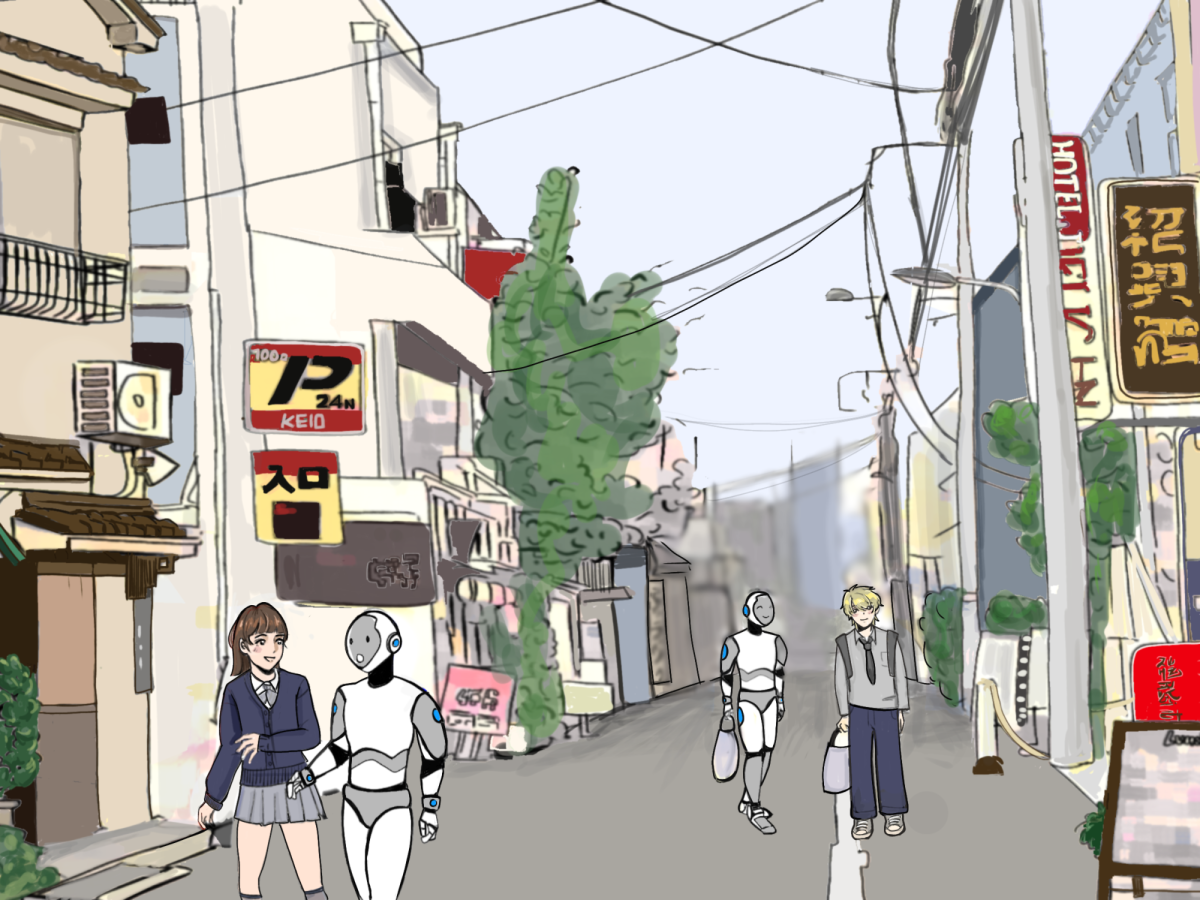
However, due to the tedious workflow that anime creation requires, some of its production supervisors have begun implementing artificial intelligence into the process.
The biggest obstacle that AI faces to creating anime is copyright infringement. Companies are in the process of tailoring AI tools that surpass such legal constraints. Their strategy involves training this technology with legally approved data from anime studios.
However, Wong believes that AI-generated anime content would not resonate well with fans.
“Fans are mainly concerned with whether the ‘soul’ of anime will be lost, unable to stay true to its inherent value and losing its creative appeal,” he said.
Moreover, Nic Ho, a fellow director in the anime industry, emphasized the authentic human sentiment that anime is built on, making it difficult for AI to replicate such emotional appeal.
“Anime is a very ‘human’ medium of artistic expression,” Ho said. “AI rejects the efforts put in by animators.”
Animator Akiko Nakano shared similar fears of this technology eliminating aspects of human creativity.
“If a truly complete AI work were to be created, the drawing department would disappear. That is a little frightening,” she said.
Despite this fear, Nakano has come to terms with this transition. “Even if my work disappears, I think that is what it is,” she said.
Despite the growing skepticism from artists, OpenAI’s Sora was one of many tools that started a social media trend by forging a trendy replication of the popular Studio Ghibli style.
This allowed people to input specific prompts that generate anime style images and videos, leading to some authenticity concerns from fans.
In response to the copyright complaints filed by anime creators, the Japanese government issued a cease-and-desist letter to OpenAI. Sora has since been shut down for unrelated reasons.
Far from just a production-level shift, the growing use of AI raises questions about both copyright protection for animators and changing viewer expectations.