
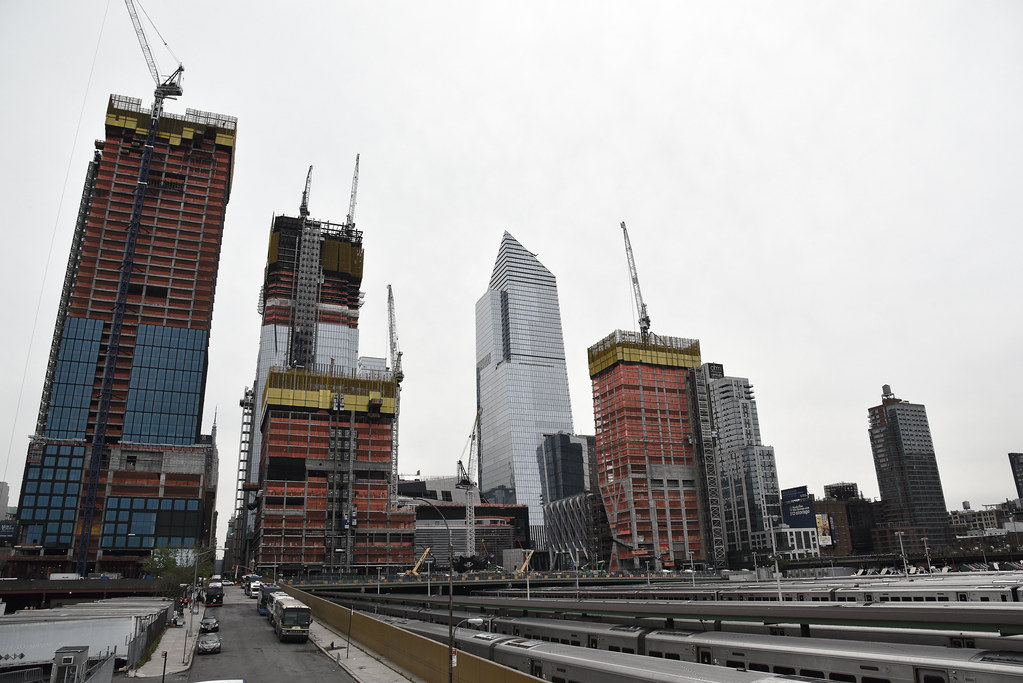
Construction is progressing on the new $2 billion skyscraper at 70 Hudson Yards in Manhattan, New York City’s biggest office development project since the coronavirus pandemic. This skyscraper, developed through a joint venture between Related Companies and Oxford Properties, will eventually house Deloitte offices alongside other corporate clients.
With Deloitte, a British consulting giant, as its anchor tenant, 70 Hudson Yards will be split between an 800,000-square-foot lease signed by Deloitte, with 300,000 square feet remaining for other clients. The building will also become Deloitte’s U.S. headquarters. For Deloitte, a strategic move to 70 Hudson Yards represents a significant relocation from 30 Rockefeller Plaza.
As part of this relocation, Deloitte aims to improve workplace expectations, integrate more technology and replace the traditional rows of office cubicles. With these renovations, the new move is also likely to attract younger talent as Deloitte remains in fierce competition with KPMG LLP.
“They fell in love with the neighborhood and the amenities that Hudson Yards and Related have delivered as a foundation of what they can offer to their employees and clients,” Benjamin Bass, an NYC real estate broker, said.
The new skyscraper also challenges the city’s real estate industry by becoming New York’s first zero carbon emission skyscraper. The developers plan to achieve this task by relying entirely on electricity and following green building standards.
Despite the developers’ bold ambitions, environmentalists at City Limits raised concerns about similar projects in Hudson Yards that have failed to meet sustainability targets.
“A review of 27 LEED-certified buildings in the neighborhood found that fewer than half scored above the median range under the city’s own efficiency rating system,” they said. Regardless, the new Hudson Yards project could mark the beginning of a major shift towards sustainable development in New York’s real estate industry.
The majority of NYC’s carbon emissions come from buildings, according to the Office of the City Comptroller, and office buildings often emit more carbon into the atmosphere than their residential counterparts.
With construction underway, 70 Hudson Yards has already gained concrete reinforcements up to around the seventh floor of the building. Remaining work includes completing upward development, façade construction and interior design by 2028.
“In any industry in New York, if a company’s thinking about where they’re going to locate, they can see that there are leaders in that industry and peers that are already here,” Andrew Cantor, the Executive Vice President of Development at Related Companies, said.