
New York City students in 2-K through eighth grade will face new limits on technology use this school year, including a temporary pause on artificial intelligence and restrictions on individual screen time, the Department of Education announced on Sept. 2.
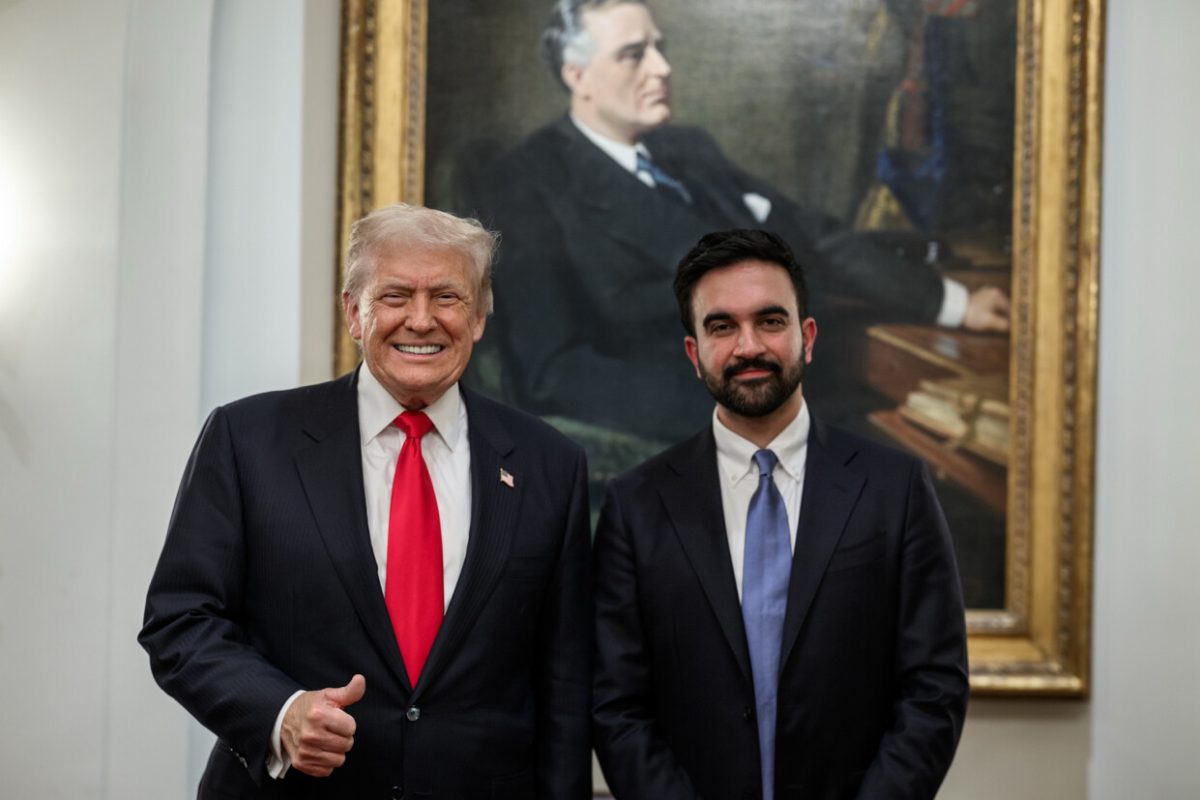
Mayor Zohran Mamdani and Schools Chancellor Kamar Samuels described the policy as an effort to protect student development.
“Children need teachers and human connection in order to learn and grow,” Mamdani said. “They need to develop skills alongside their peers, build relationships with educators and wrestle with tough problems on their own.”
“As Chancellor and as a parent, I believe our job is to protect what makes learning work, while ensuring every child has the critical thinking skills they need before graduating,” NYC Public Schools Chancellor Kamar Samuels said. “We’re putting guardrails in place to protect the human connection, curiosity and creativity that help children grow.”
This policy will affect an estimated 600,000 New York City public school students and will place new restrictions on the use of devices like laptops and tablets. Most students from 2-K through second grade will generally not use individual devices in classrooms at all. Students in third to fifth grade will have a recommended limit of 30 minutes of individual screen time per day, while students in sixth through eighth grade will have a recommended limit of 45 minutes.
The DOE said the restrictions are intended to reduce reliance on technology and provide more opportunities for in-person interaction and traditional classroom instruction.
The AI prohibition for students 2-K through eighth grade is currently set to last one year. The DOE will ban all generative AI for 2-K through eighth grade and companion chatbots are prohibited across all grades. However, teachers are allowed to use AI for instructional planning, but not for grading or testing purposes.
A middle school teacher told The Ticker in an interview, “First, students need to learn how to use AI responsibly. Due to their age, it’s very difficult to teach and for them to comprehend the responsibilities. Second, look at the results of high school and college students using AI. There are students in college that can’t do elementary school math.”
Despite the restrictions, the policy does not eliminate AI from all NYC public schools. Instead, high school students will get controlled exposure to the technology.
High school students will complete two 45-minute AI literacy modules covering topics like AI, bias, misinformation, ethics and the potential effects of AI on careers.
The DOE will also introduce five AI pilot programs in a limited number of high school classrooms. The programs — Quill, Edia, Brisk Teaching, Playlab and Intel AI Ready Schools — will be used under direct teacher supervision and have limits. But chatbots like ChatGPT and Claude will not be introduced into classrooms. This approach is intended to give high school students an understanding of AI and its uses while simultaneously teaching them the risks.
Certain exceptions will apply, allowing students who use assistive technology, including those with disabilities or language needs, to have access to all necessary tools. Additionally, students in career-readiness programs may use AI when it is relevant to coursework, under teacher supervision.
The DOE will evaluate the policy throughout the 2026-27 school year before making further policies about AI use in NYC public schools.