
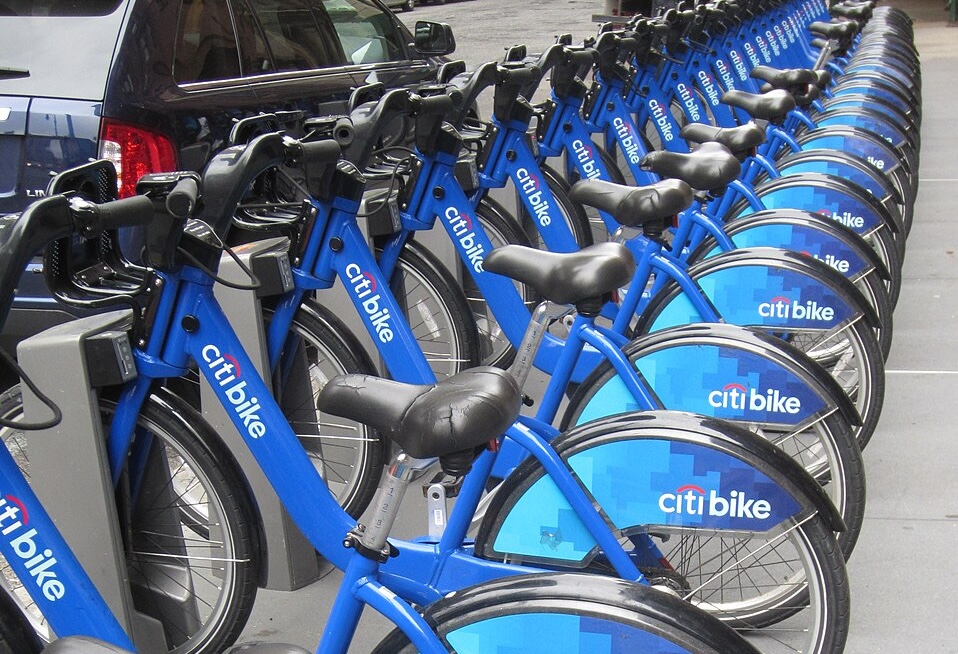
New York City cyclists and transit advocates are pushing for a $3 cap on Citi Bike rides as prices continue to rise. The campaign, launched by the nonprofit Transportation Alternatives, seeks to limit what Citi Bike members pay for a 45-minute e-bike ride.
Transportation Alternatives launched its campaign in August, arguing that Citi Bike is extremely important to NYC with the number of people riding Citi Bikes increasing every year. However, the price for a 45-minute ride has risen significantly, rising from $4.50 in 2020 to $12.15 in 2026.
Citi Bike is currently owned by Lyft and does not receive subsidies from the city. Transportation Alternatives has noted that Lyft’s bike-share programs in other cities offer lower prices because of the public subsidies provided.
“Most every other bike share system in North America and definitely across the world is paid for by some combination of riders and public subsidy,” Ben Furnas, executive director of Transportation Alternatives, told AMNY. “There’s no reason why New York shouldn’t be similar. And we could have a bike share system that’s much less expensive.”
The Department of Transportation currently has a contract with Lyft, allowing the company to raise Citi Bike prices. DOT could negotiate for a price cap when the agreement expires in 2029.
City Council member Lincoln Restler is now sponsoring a bill that would update the contract to and cap the cost of one-hour e-bike rides at $3 for Citi Bike members, matching the subway fare. Although he originally introduced this bill in 2024, it was not able to move forward because of opposition from former Mayor Eric Adams’ administration.
“I’m hopeful that Mayor Mamdani, who has prioritized addressing the affordability crisis, will embrace this campaign,” Restler said.
However, subsidies from the city alone may not be enough to lower Citi Bike prices. In the past, Lyft has reported a small profit from Citi Bike after years of deficits, with a lot of its operating costs going towards its system maintenance, including moving bikes and changing e-bike batteries.
Despite this, Restler noted that rising operating costs can be prevented by using the city subsidies to improve Citi Bike operations instead, which could make the system cheaper and more efficient.
Although there is no plan from Mayor Zohran Mamdani on addressing this issue, he has previously shown support for lowering the price.
“This is going to be one of the focuses of our administration, to figure out how we can not only make it safer but also more affordable to ride a bike across the city,” Mamdani said.