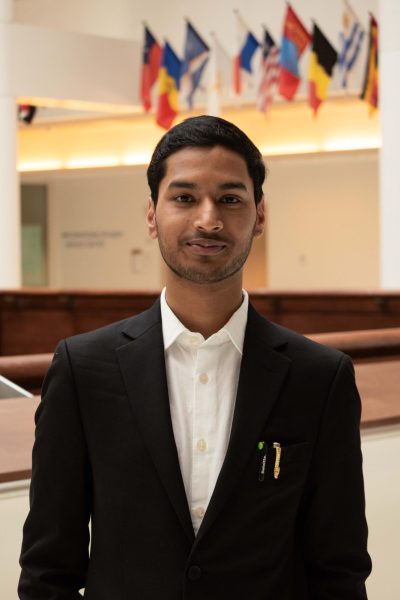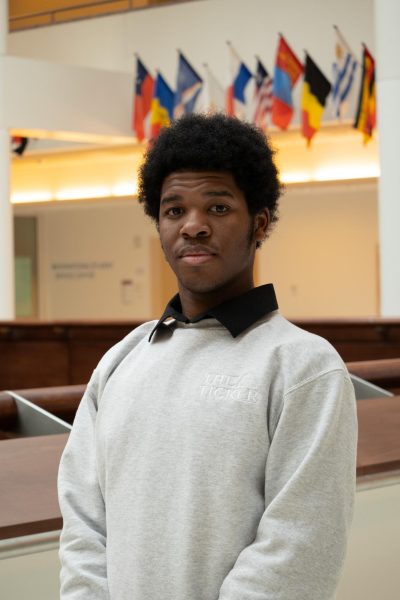


At a recent session of the Thriving Asian American and Pacific Islander program on Feb. 18, organized by The Asian American Dream, students heard from Vivian Tu, content creator, author and business woman, where she focused the talk on personal finances.
Tu, also known as Your Rich BFF, explained her experience growing up in a family of working-class immigrants, and early on understood the burden of stress. Tu said she believes working hard and making smart choices could lead to stability.
“I grew up in a working-class family that lived paycheck to paycheck with the stress of what that felt like, but also really believing in the American dream,” she said during the event.
That perspective influenced the direction of her career. Before starting @yourrichbff, Tu worked in finance, where she saw how difficult it can be for people to access clear and useful financial information. She explained that many people are left out of these conversations, especially if they were never taught about money growing up.
“I spent my whole career working to make that possible for myself and other people,” she said, referring to building financial stability and helping others do the same. During the session, Tu spoke about tracking spending, understanding where money goes and building habits early.
She also discussed the importance of mindset. Many students, she said, avoid thinking about money because it feels overwhelming.
But ignoring it only makes things harder later. Starting small and staying consistent is more effective than waiting for the “right time.”
Tu explained that prosperity is not just about how much money someone has, but also about feeling stable and having choices.
For her, it is about being able to make decisions without constant financial stress. She connected this idea to everyday life, saying that financial security should give people some peace of mind and the ability to focus on other parts of their lives, not just worry about money.
She emphasized that financial stability is built over time: it does not come from one big decision but from repeated actions. Saving a small amount, being careful with spending and paying attention to habits can gradually make a difference.
Tu addressed the pressure many students feel to keep up with others as comparing progress can create unnecessary stress and distract from personal goals.