
Welcome to In Tune with WBMB, a weekly column where a member of the station covers a new track from the underground. This week’s article is written by Stella Hayat-Dawoodi.
“CREOLE” by Pucker Up!, released in October 2024, is an energized, passionate and sarcastic response to the frustration of people attempting to touch the band members’ hair.
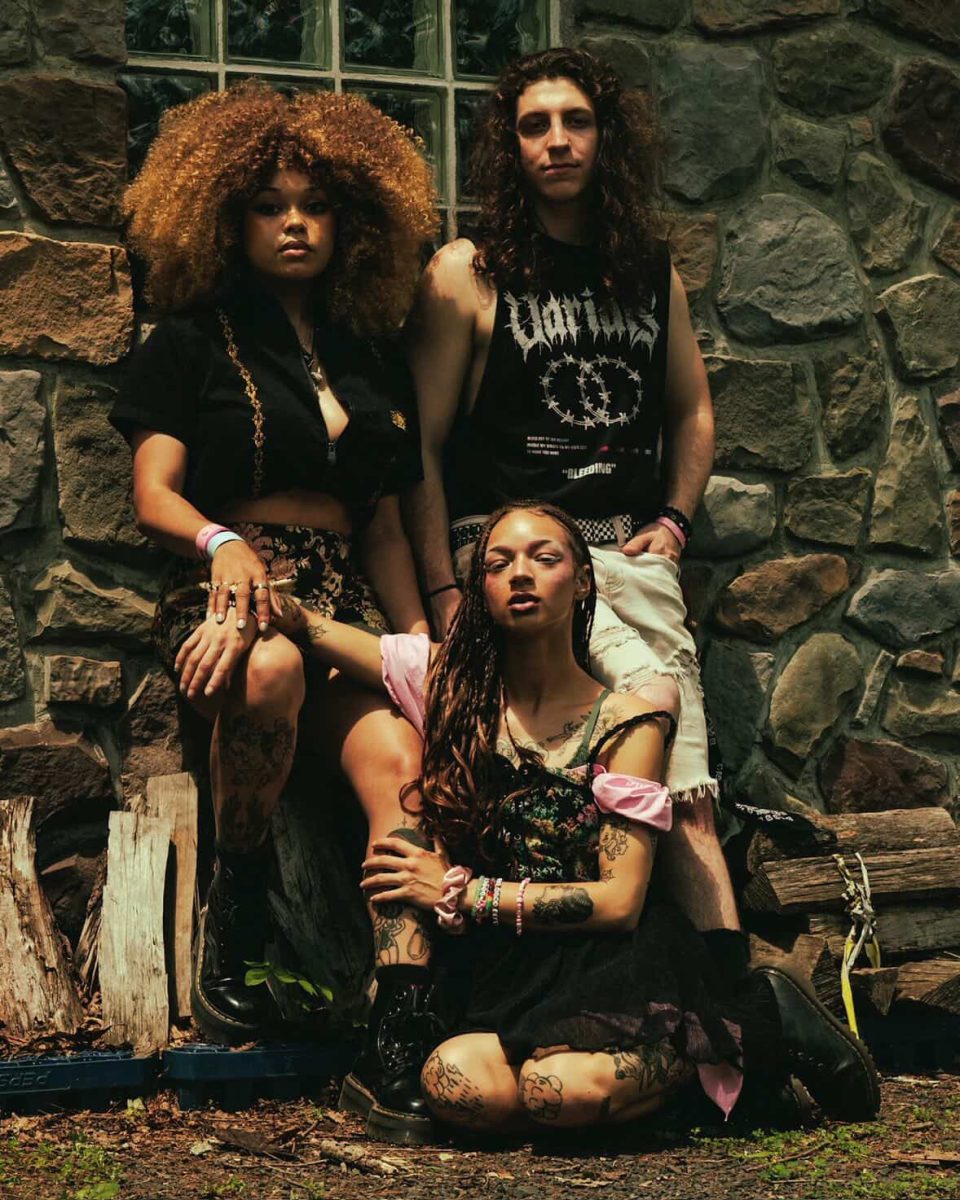
Pucker Up! is a Riot Grrrl/punk rock band from Scranton, Pa., consisting of cousins Awnshae Smith and Tanner Snyder and their longtime friend Demi Belzer. They are known for their raw and unapologetic expression of Black womanhood, queer identity and resistance against systemic oppression.
The song “CREOLE,” from their debut album “I HARDLY KNOW HER,” addresses a problem common among Black people throughout the African diaspora: the issue of strangers asking to touch their hair. It’s a confrontational critique of racial stereotyping, performative allyship and fetishization.
The repeated line from the chorus, “This is not a game of guess the race,” reflects their refusal to entertain strangers’ attempts to categorize or guess their racial origins. By calling it a “game,” they mock the casual and dehumanizing way these strangers behave. The threat of “win a punch right to your face” underscores the anger they feel to show how insulting the behavior is.
In the first verse, they criticize performative allyship and reject the idea that indirect association with a minority group creates understanding, similarity or solidarity.
The lyric “Your uncle’s mother’s sister’s cousin’s son was Black / That does not make us comrades” calls out the familiar “I have a Black friend” defense often used to excuse racial insensitivity. It also hints at how some people try to seem “exotic” or diverse by overstating their intersectional connections without carrying the burdens that people of color face.
The line “It starts with ‘H’ and ends with ‘L’” is a reference to hell, symbolizing the difficulty and pain of navigating prejudice as Black women in America.
The second verse turns to the fetishization of Black people. Being labeled “exotic” is portrayed as insulting rather than flattering. The line “I’m not your bedroom playground dream” directly rejects the sexualization of Black bodies. The speaker’s increasing frustration, captured in their threat to “go berserk,” communicates how relentless and infuriating this exoticization can be.
The bridge before the final chorus drives the message home with a spelling chant, “D-O / N-O-T / A-S-K / Ask me to touch my hair,” explicitly rejecting the invasive curiosity others display. Its chant-like delivery suggests a teacher-student dynamic, as if the band is forced to teach basic respect that society still hasn’t learned.
This educational tone reinforces the song’s lesson-like structure while keeping its fierce, unapologetic theme.