
Rapid progression and development in artificial intelligence and technology have made defining consciousness critical.
As an age-old bone of contention, scientists in the 21st century are no longer relying solely on time-honored philosophical definitions to explore the ethical and moral implications of consciousness.
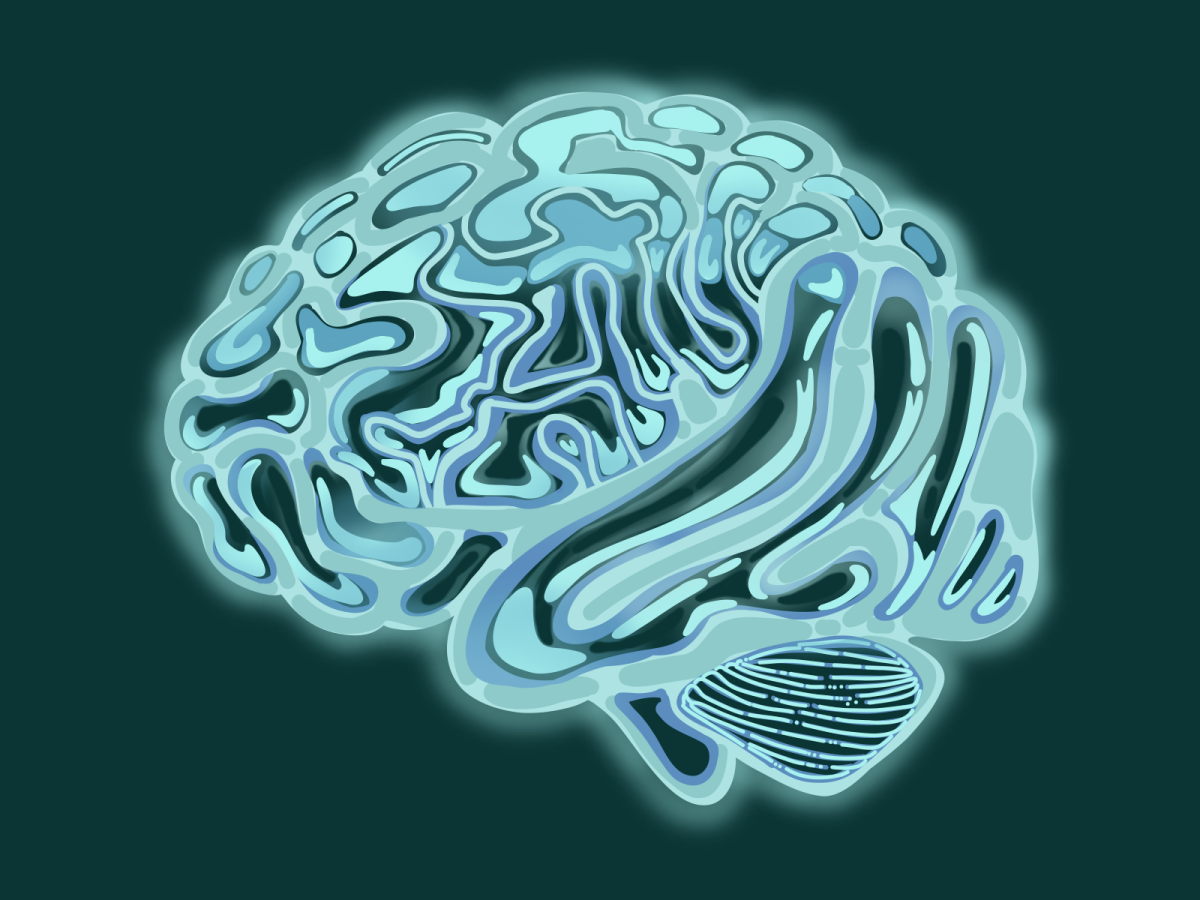
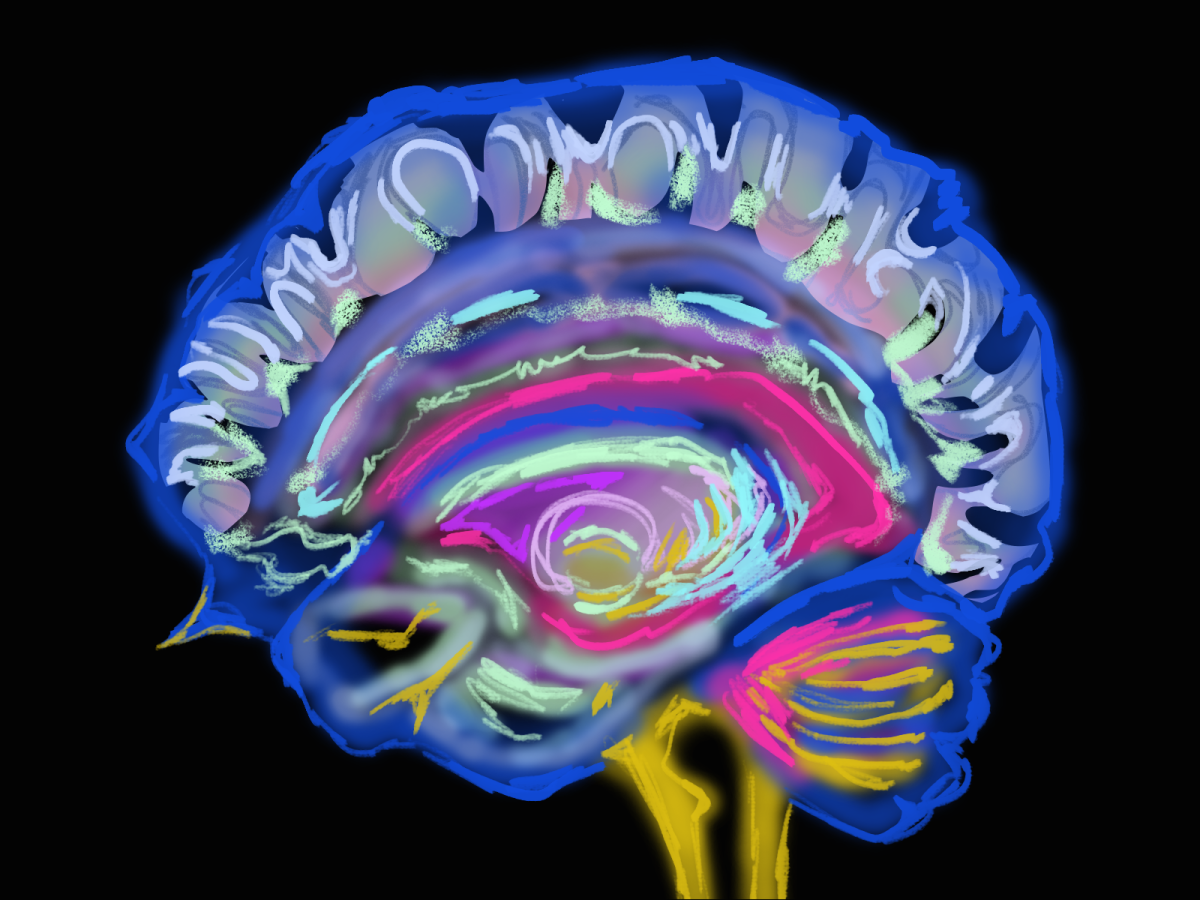
Consciousness can be broadly defined as the subjective experience of being aware of one’s surroundings and oneself. The trouble of defining consciousness lies in the brain’s biological processes. Scientists are still heavily debating “which brain systems are truly necessary for consciousness and how they interact to produce awareness,” according to ScienceDaily.
Other scientists wonder whether that question is even the right one to be posed in pursuit of finding a proper definition.
In a recent publication in Frontiers, researchers claimed that bridging the gap between scientific understanding of consciousness and the development of AI and other advanced machinery, may present ethical implications in fields ranging from law to science.
Deepening understanding of consciousness can mean redefining consciousness entirely. While a new standard definition would be a scientific breakthrough, it also implies that standards of consciousness would transform.
In the medical field, this could mean patients who have been previously deemed to have partially lost consciousness or be in a state of complete unconsciousness, such as dementia or a coma, will need to be reassessed and treated differently by medical professionals. A deeper understanding of consciousness could also have profound legal implications.
Consciousness serves as the foundation for the long-standing legal principle “mens rea,” or “guilty mind,” which is used to determine a defendant’s intent and awareness of wrongdoing.
However, neuroscience has suggested that a considerable amount of behavior also results from unconscious processes and individuals may not be aware of their actions, giving them grounds to claim they did not consciously commit a crime.
Courts and lawmakers will then be tasked with determining how to apply mens rea, or whether to apply the principle at all. Artificial consciousness is more unprecedented than the medical and legal implications. AI possesses the functionalist component of a mental state, meaning that its organization is essential for it to carry out its functions. Whether this functionalism is similar enough to that of the human brain to be deemed conscious is still unknown. However, fast-paced advancements in AI make considering the possibility imperative.
The prospect of conscious AI raises questions on whether it is ethical to create consciousness beyond what is biological and if humans are prepared to interact with consciousness in non-biological forms.